
Last updated November 23, 2026
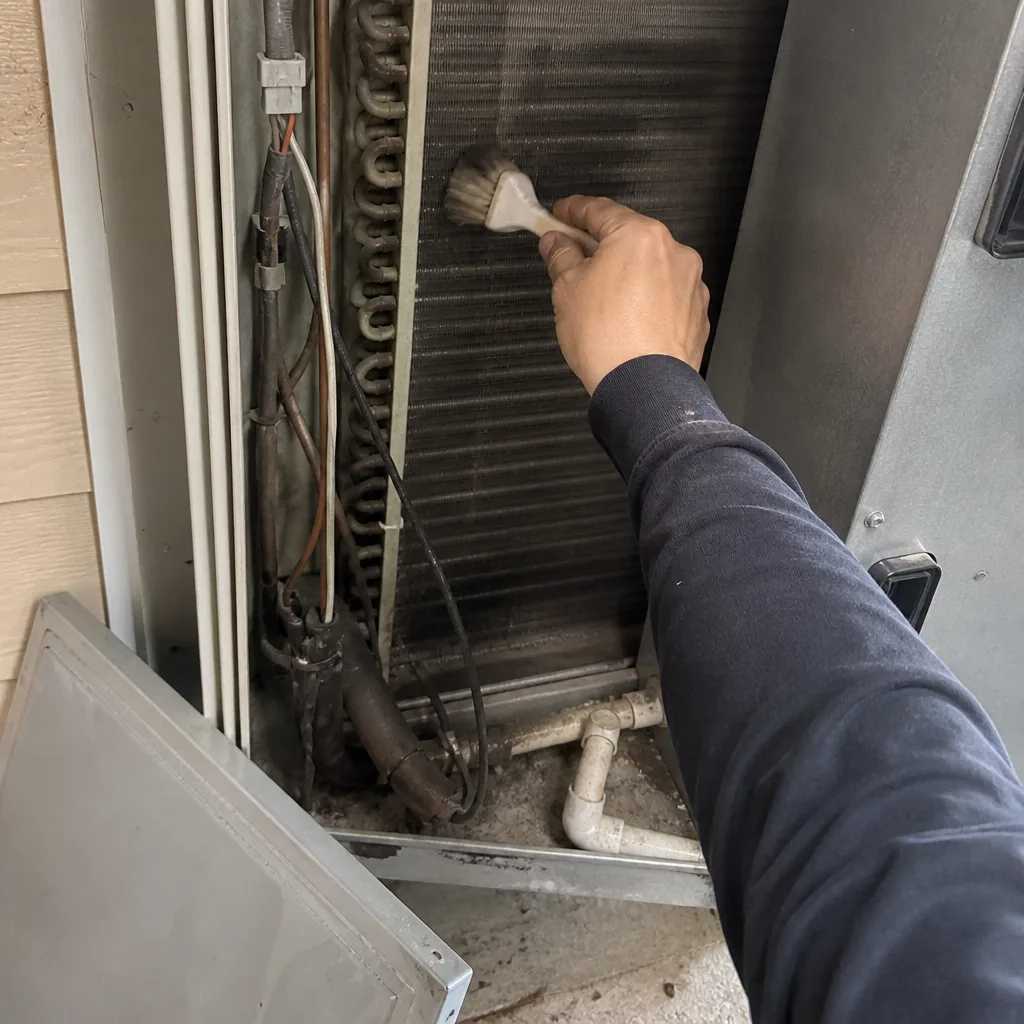
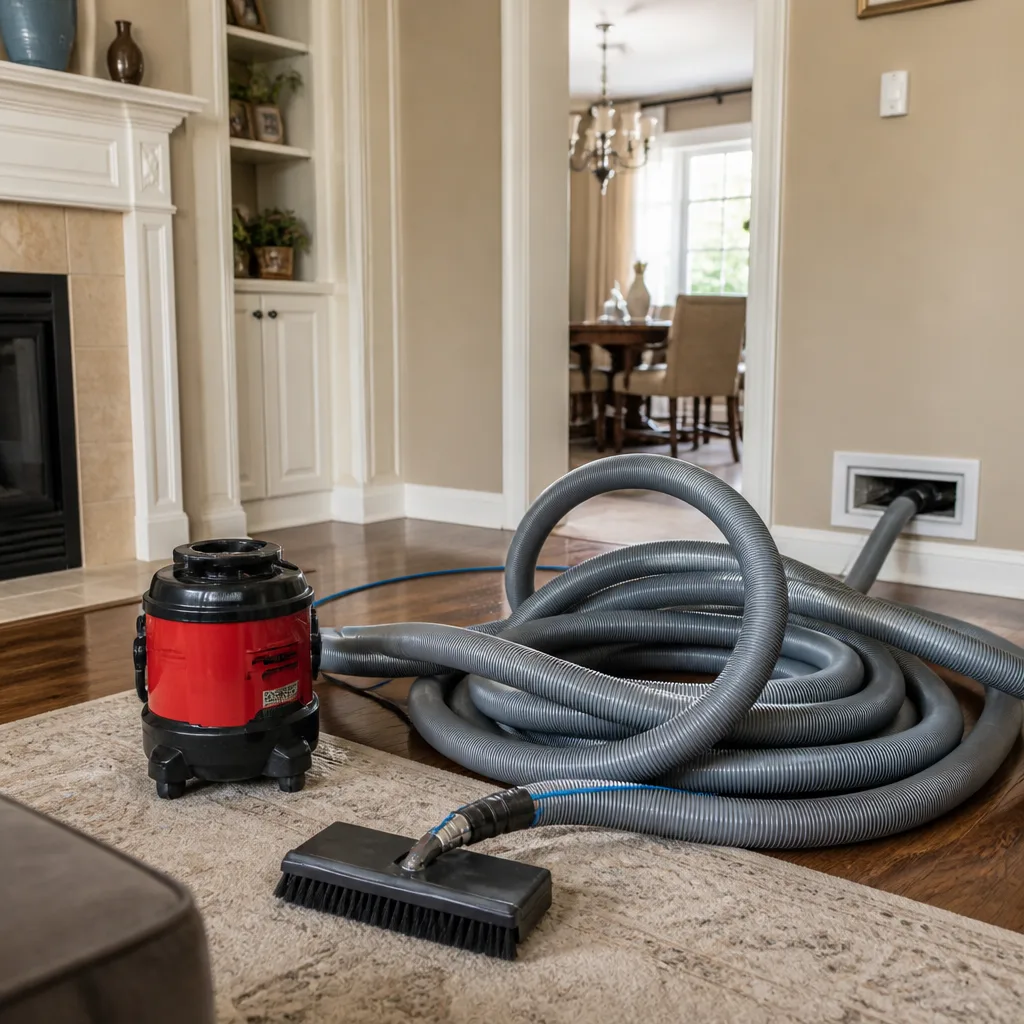 Whole-home duct cleaning
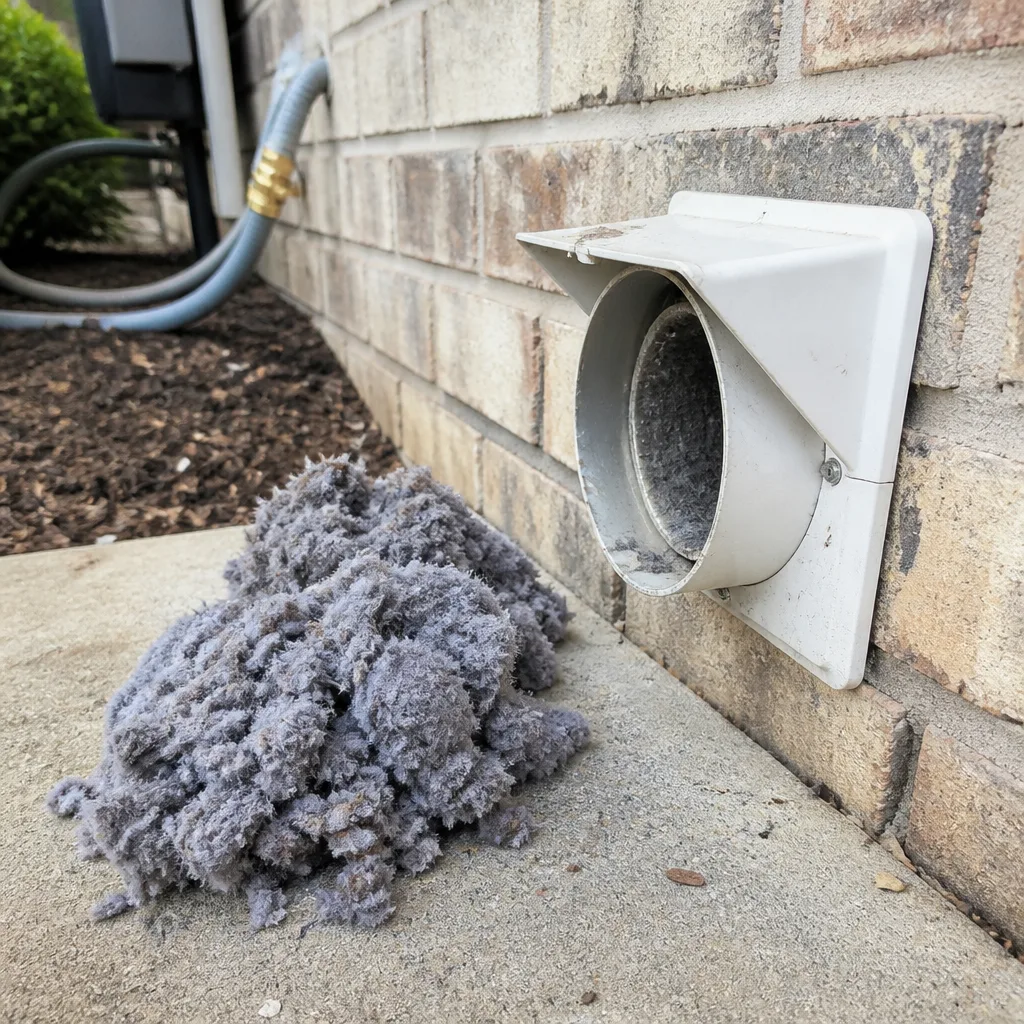 Dryer vent cleaning
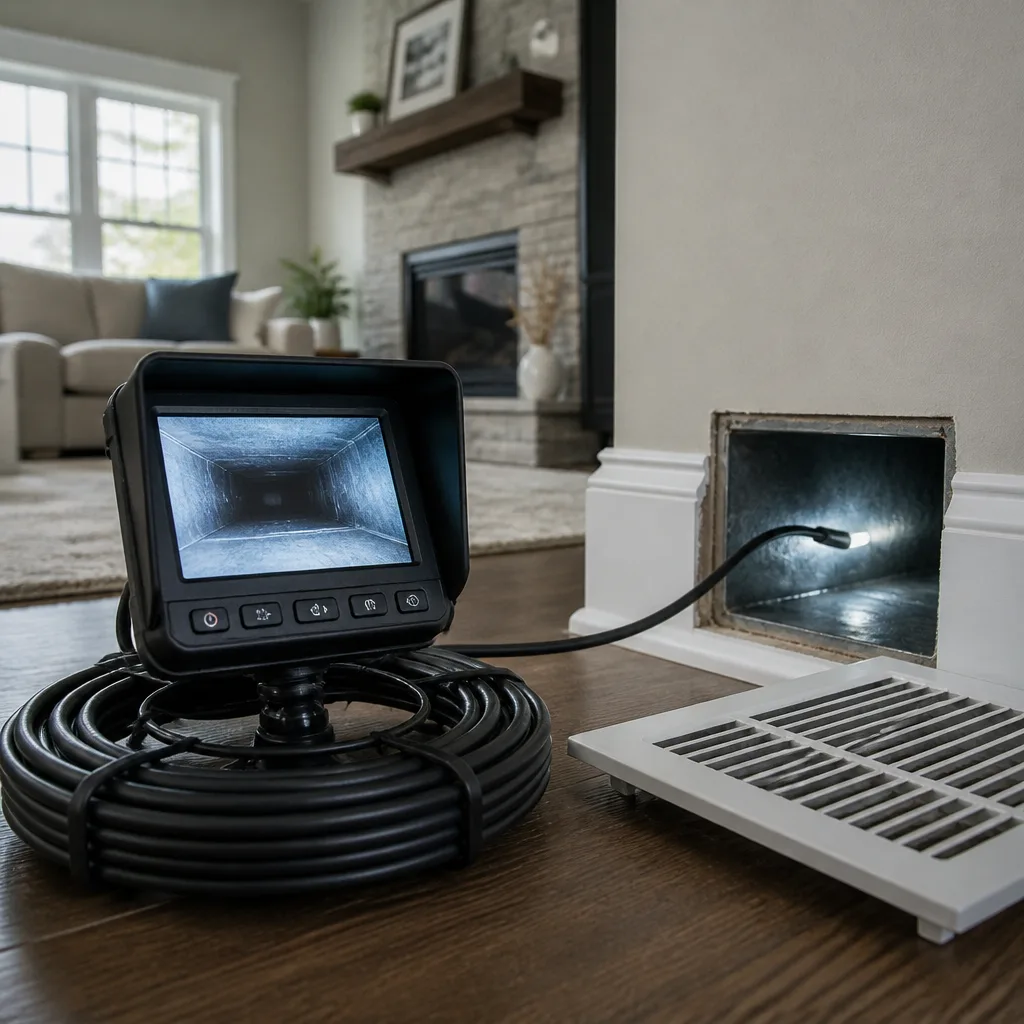 Camera inspection
 Sanitizing & deodorizing
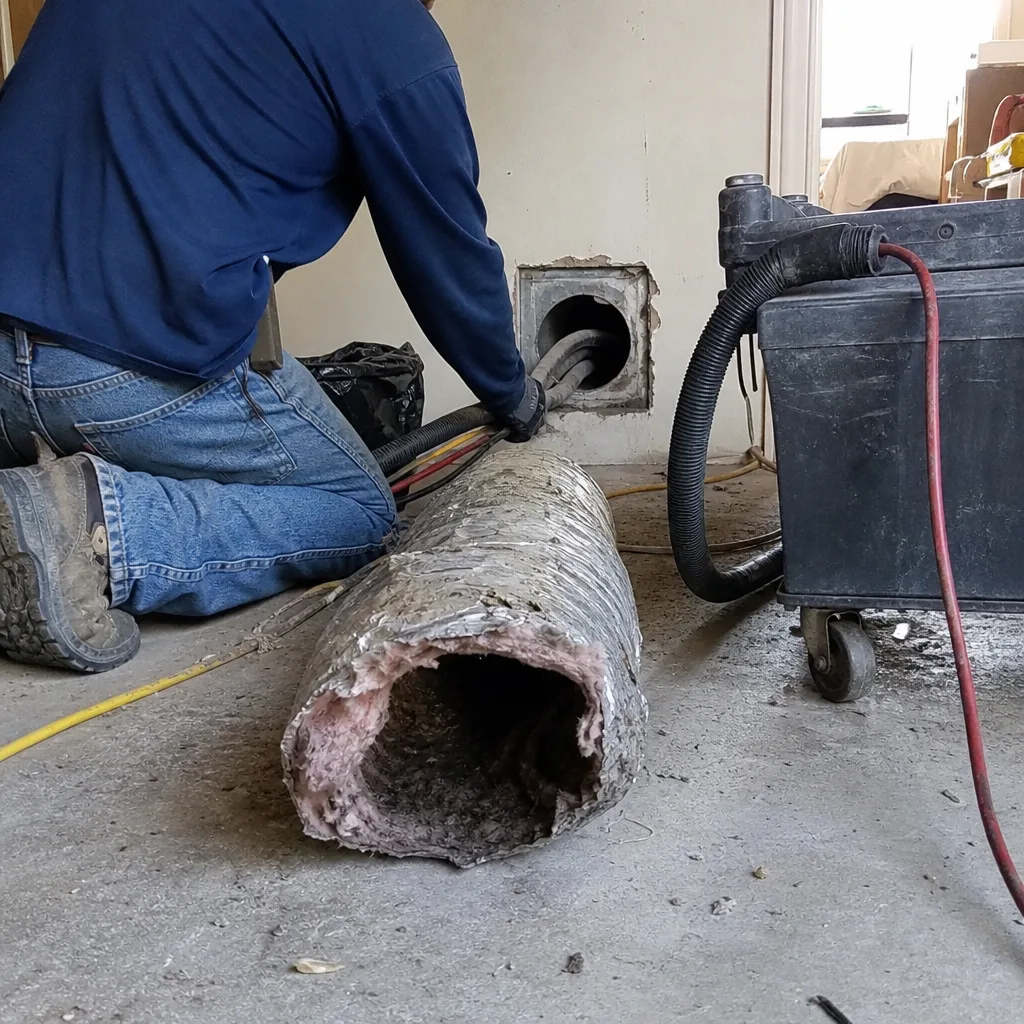
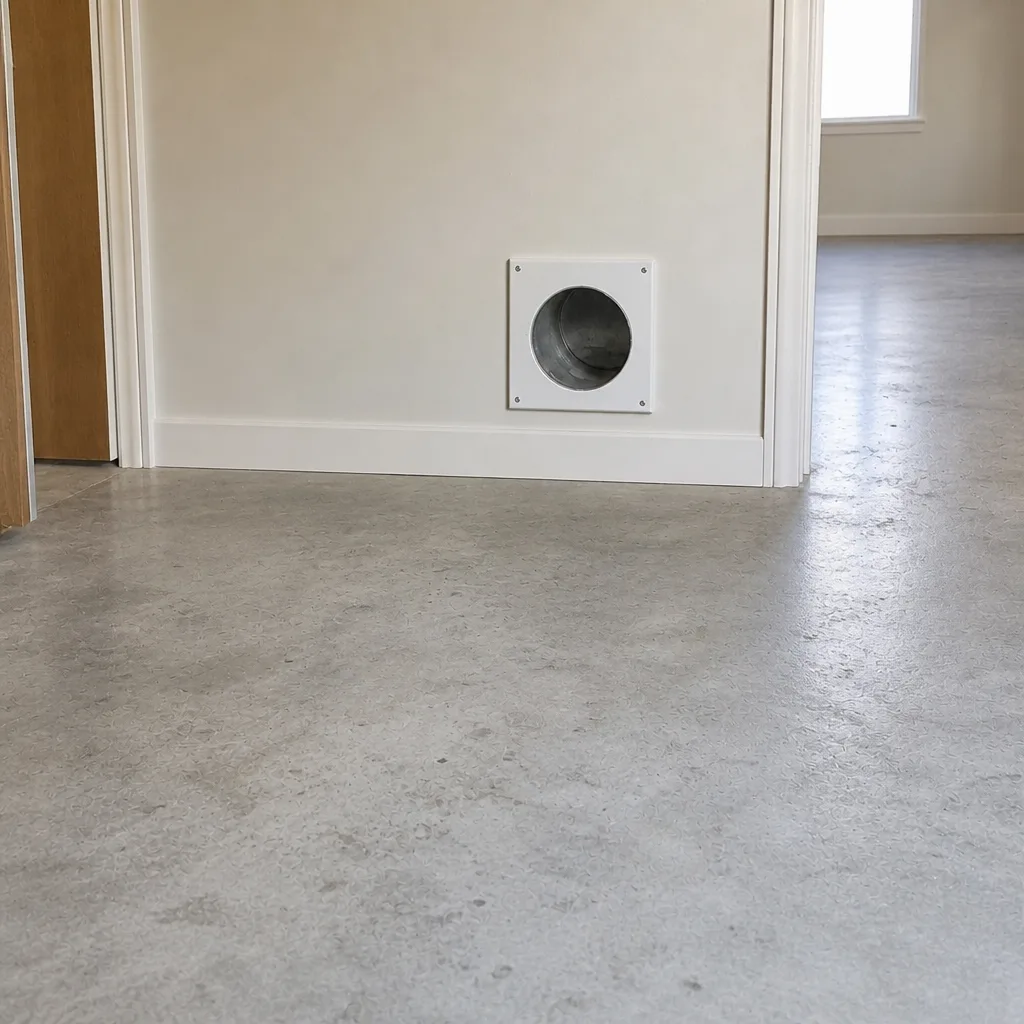
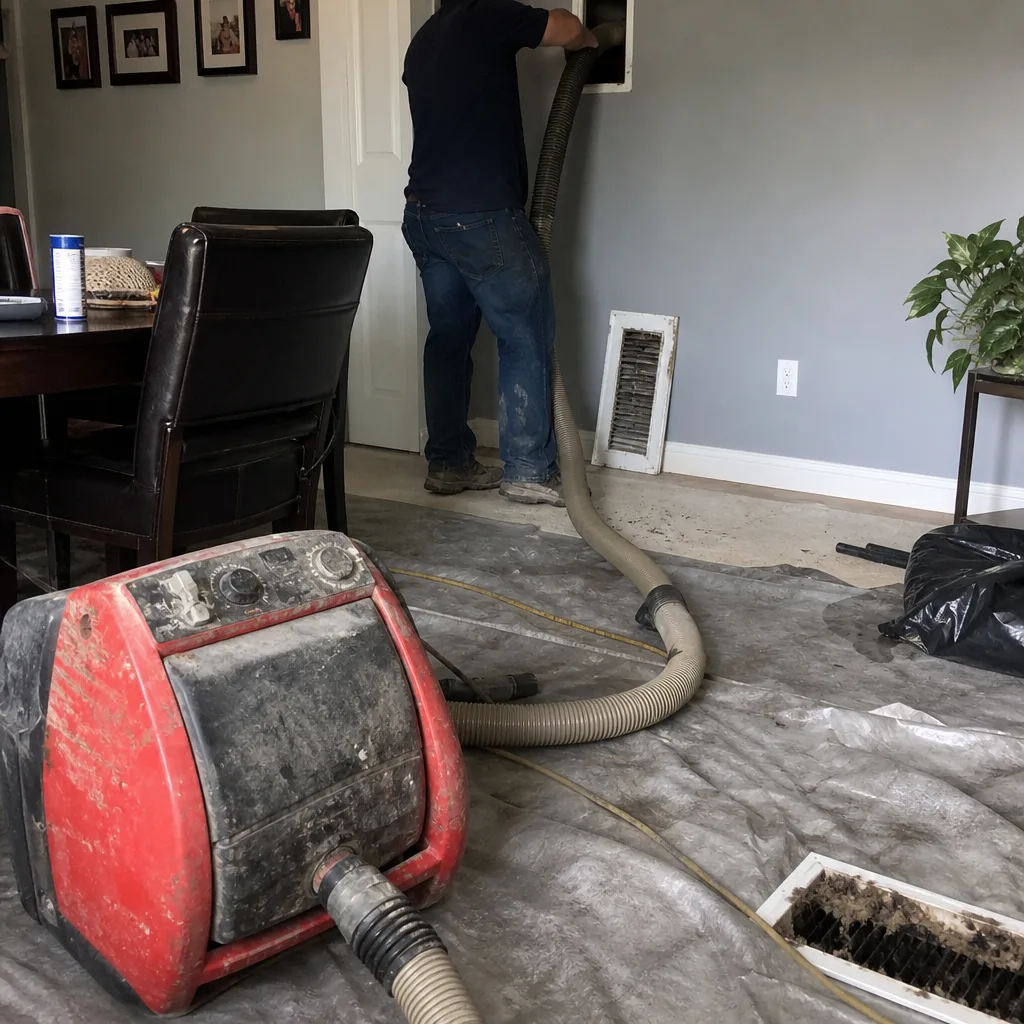
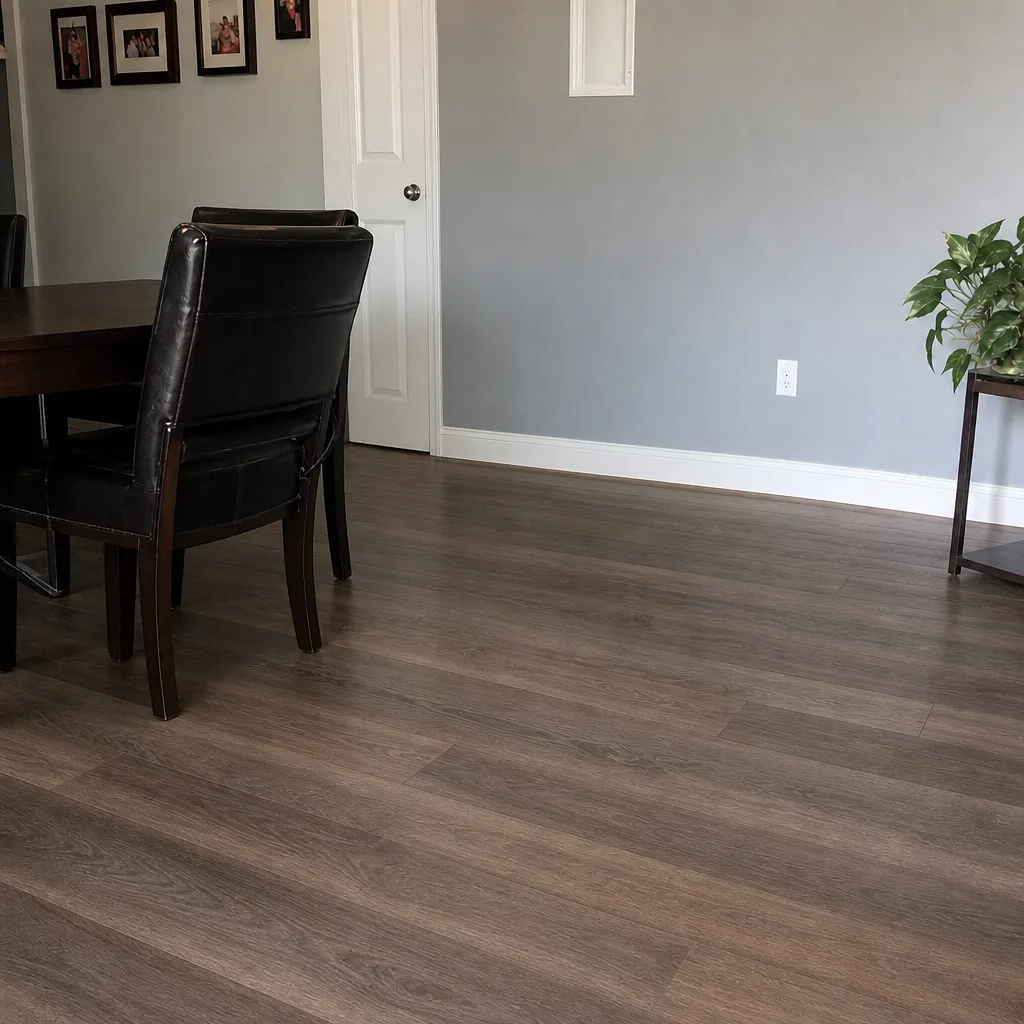
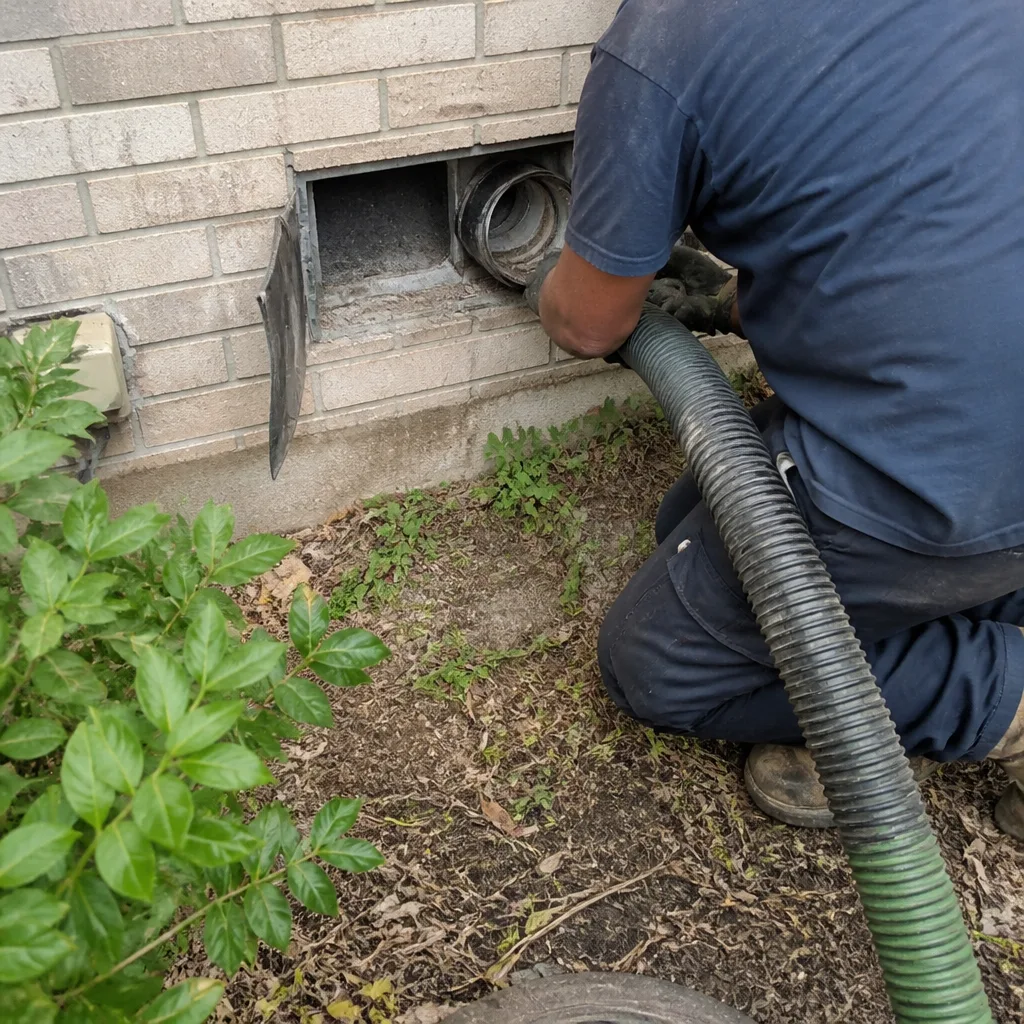
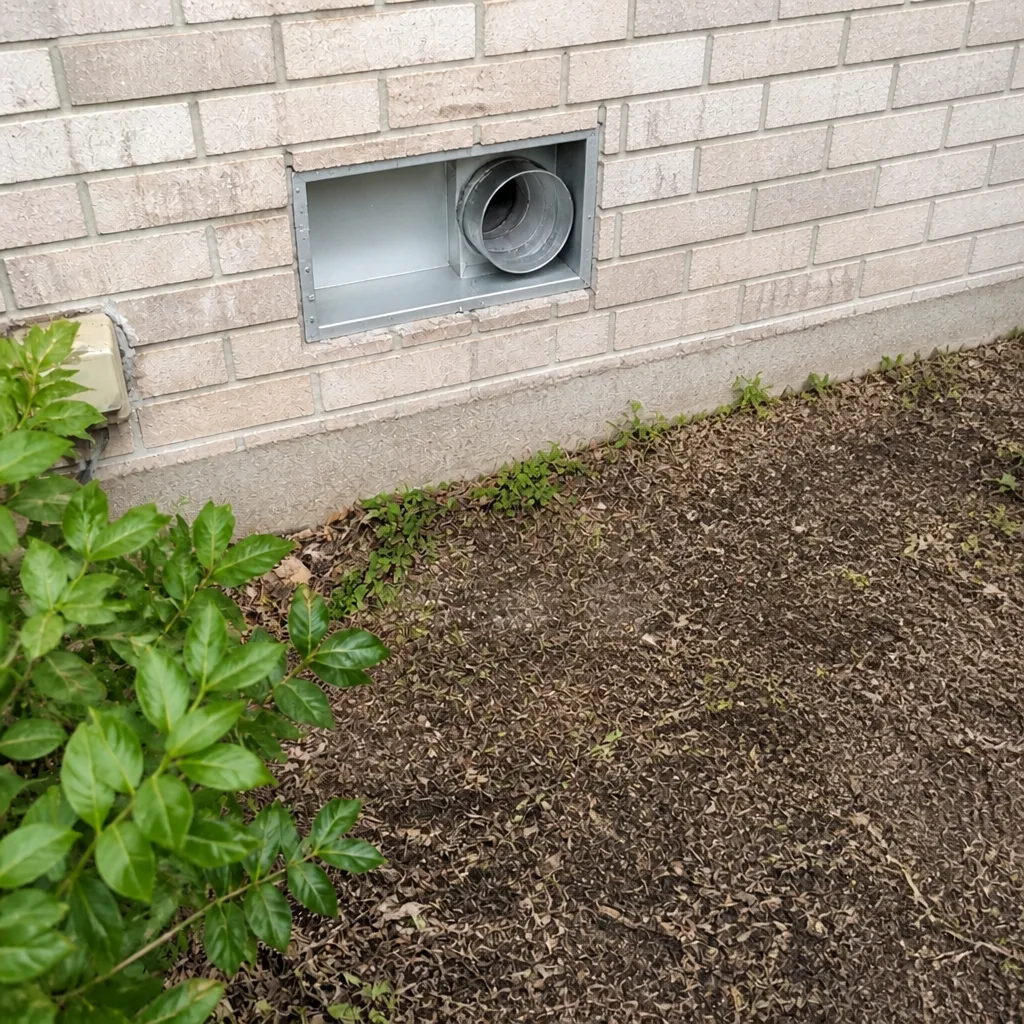
Whole-system duct and dryer vent check with before-and-after photos - you see exactly what came out of your vents
That "$99 whole-house special" is a bait ad - the real number appears once they are in your hallway, or the "clean" is a shop-vac at the register. We photograph the inside of your ducts before and after instead.
Air Duct Cleaning Permits, Codes & Inspections in Oak Cliff, TX: What You Need to Know
Most homeowners assume ductwork sits outside the permit system entirely. Cleaning, yes, that’s just maintenance. But the moment someone cuts out a crushed flex run, replaces a trunk section, or seals a joint with mastic and mesh, the work crosses a line that Texas mechanical code and the City of Dallas both care about. And here’s the part contractors rarely bring up: an unpermitted duct modification can complicate a homeowner’s insurance coverage for HVAC-related damage, which usually surfaces at the worst possible time, during a claim or a resale inspection. In this guide we’ll draw that line precisely for Oak Cliff homeowners: what needs a permit and what doesn’t, how Dallas County inspection jurisdiction works, and the questions that separate a contractor who pulls permits from one who quietly avoids them.
Quick Answer
Air duct cleaning by itself does not require a permit in Texas or in the City of Dallas. Duct repair, replacement, or modification of the duct system is mechanical work and generally does require a permit from the City of Dallas when the scope crosses the threshold set by the Texas Mechanical Code and local amendments. Cleaning is maintenance; repair and resealing are permitted work.
Styles & brands we work with
- Whole-home duct cleaning
- Dryer vent cleaning
- Camera inspection
- Sanitizing & deodorizing
Table of Contents
- Cleaning vs. Repair: Where the Permit Line Falls
- What the Texas Mechanical Code Says About Ductwork
- City of Dallas vs. Unincorporated Dallas County: Who Inspects What
- Specific Examples: When a Permit Is Likely Required
- How Unpermitted Duct Work Shows Up at Inspection
- Questions to Ask a Contractor About Permits
- Why Insurance Cares About Permitted Work
- Common Mistakes to Avoid
Cleaning vs. Repair: Where the Permit Line Falls
Here’s the distinction that matters, and it’s simpler than most people expect. Cleaning removes contamination from ducts that are structurally sound and still properly connected. Repair changes the duct system itself, its shape, its routing, its connections, or its air-sealing. The first is maintenance. The second is mechanical work on a building system, the same category as modifying plumbing or electrical.
In practice, the two activities get blurred because a good cleaning often reveals a repair. When we run a rotary contact-cleaning system through a home’s ductwork, we sometimes find disconnected joints, crushed flex runs in the attic, or sections taped together with the wrong material. Those findings are the moment a homeowner has to make a decision: clean around the problem, or fix it properly. Fixing it properly is where permits enter the picture.
Think of it this way, as a working rule of thumb:
- Cleaning only: no permit. You’re removing dust, debris, and buildup from an intact system.
- Sealing with mastic or approved tape on existing joints: usually no permit, though it depends on the scale. A few joints is maintenance. Resealing an entire trunk line can be read as repair.
- Replacing a duct run, modifying routing, adding a return, or reconnecting a disconnected section: permit territory, generally.
- Modifying or replacing the air handler, or changing the system’s configuration: definitely permit territory.
Oak Cliff homes span a wide range of ages and construction, from early twentieth-century houses with retrofitted duct systems in the attic to mid-century ranch homes with original trunk-and-branch layouts. Older retrofit work is often where the surprises live, and where the line between “cleaning” and “repair” gets crossed without anyone saying so out loud.
What the Texas Mechanical Code Says About Ductwork
Texas adopts the International Mechanical Code as its base mechanical standard, with state amendments, and the City of Dallas adopts its own version through the Dallas City Code’s building and mechanical chapters. The code chapters that govern ductwork are the ones dealing with duct systems, duct construction, duct insulation, and duct sealing. In plain terms: those chapters tell you how ductwork must be built, how it must be sealed, and what materials are allowed.
What that means for a homeowner is practical, not academic. The code does not say “you must pull a permit to clean ducts.” It says “duct systems must be constructed and sealed to these standards.” A permitted repair carries an inspection that verifies the work meets those standards. An unpermitted repair carries no such check, and if the work is later examined, it’s judged against the same code with no record that anyone reviewed it.
The areas of the mechanical code that come up most in duct work:
- Duct sealing: joints, seams, and connections must be sealed with approved materials. The wrong tape, or no tape, is a code issue, not just an efficiency issue.
- Duct material and construction: flexible duct has specific installation rules, including support spacing and limits on sag and compression. A crushed flex run in a hot Oak Cliff attic is both an efficiency problem and a code problem.
- Clearances and support: ducts in attics and crawl spaces must be supported and clear of obstructions according to the code’s requirements.
- Return air pathways: undersized or improperly connected returns are a common code failure and a common cause of uneven room temperatures in older Oak Cliff homes.
We’re not code officials, and local amendments get updated. The safest practice, before any repair that changes the duct system, is to confirm the current requirement with the City of Dallas building department, or to ask your contractor to confirm it in writing before work starts.
City of Dallas vs. Unincorporated Dallas County: Who Inspects What
Oak Cliff is a large area, and not every address within it falls under the same permitting authority. Most of Oak Cliff sits inside the City of Dallas and is subject to Dallas permitting and Dallas inspections. Some parcels, particularly on the outer edges of the area, sit in unincorporated Dallas County, where permitting and inspection authority can differ, and where some work may fall under county jurisdiction or no local jurisdiction at all.
This matters because the permit rules don’t just depend on what the work is. They depend on where the address sits. Two identical duct repairs, one on a street inside Dallas city limits and one on a parcel in unincorporated county, can follow different processes.
How a homeowner sorts this out:
- Confirm the jurisdiction for your address. The City of Dallas has an online address lookup, or you can call the building department directly. In most of Oak Cliff, the answer is Dallas.
- Ask what permit applies to the scope. A mechanical permit is the usual category for duct repair and replacement. The scope, not the address, determines whether a permit is needed within a given jurisdiction.
- Ask who pulls it. In Dallas, the contractor performing the work typically pulls the permit, and the inspection follows the work at specific stages.
- Get the permit number before work starts. Not after. The number is on the permit, and it’s a one-line request that separates prepared contractors from unprepared ones.
In our experience, the addresses where homeowners get surprised are the ones near the edges of Oak Cliff, where the city-county line isn’t obvious from the street or the mailing address. A Dallas mailing address doesn’t guarantee Dallas jurisdiction, and an unincorporated parcel doesn’t guarantee a simpler process. If you’re not sure, confirm before the work is scheduled.
Specific Examples: When a Permit Is Likely Required
This is where the abstract code discussion becomes concrete. Below are common scenarios Oak Cliff homeowners face, with our read on whether the work typically triggers a permit. Treat these as a starting point, not a ruling. Your jurisdiction and scope decide the final answer.
Situations that generally do not require a permit
- Cleaning an intact duct system. This is the core service on any air duct cleaning visit. No structural change, no permit.
- Cleaning a dryer vent. Dryer vent work is maintenance and generally outside the mechanical permit system. It’s a fire-risk service most duct-only companies skip, and it stands on its own as a separate line of work.
- Replacing a filter, or a standard filter with a higher-MERV filter. Maintenance, no permit.
- Minor re-sealing of a handful of accessible joints with approved mastic. Typically treated as maintenance, though scale varies by jurisdiction.
Situations where a permit is generally required
- Replacing a section of duct, rigid or flex. A new duct run is new mechanical work.
- Reconnecting or rerouting a duct. Changing the air pathway counts as modification.
- Adding a return or supply, or changing the number of registers. Changing the system configuration is permitted work.
- Replacing or modifying the air handler or any part of the HVAC equipment itself. Equipment replacement is permitted work under the mechanical code and is part of what a full HVAC cleaning visit might reveal needs attention.
- Sealing an entire trunk line or large sections of the duct system. Can cross the line from maintenance into repair, depending on scale and jurisdiction.
The pattern: if the work changes what the system does or where the air goes, it’s generally permit territory. If it makes an unchanged system cleaner, it’s generally not. And in our experience, most of the duct repairs we find on Oak Cliff homes – disconnected attic runs, crushed flex in tight spaces, old joints sealed with failing tape – fall into the second list, whether or not the homeowner was aware of that before we arrived.
How Unpermitted Duct Work Shows Up at Inspection
Most unpermitted duct work lives quietly for years. Then a home goes on the market, and the picture changes. Buyers’ agents and home inspectors are trained to spot work that doesn’t look right, and ductwork in an attic is one of the most commonly flagged areas in older Oak Cliff homes.
What inspectors look for on duct work:
- Signs of recent modification without documentation. New flex runs spliced into old trunk lines stand out, and the natural question is whether any permit was pulled.
- Disconnected connections. A duct that’s come loose from a boot or trunk is both an efficiency failure and a red flag. It’s one of the most common findings in homes of any age.
- Improper sealing materials. The wrong tape, or no tape at all. Duct tape fails over time, and inspectors know it.
- Support and clearance issues. Flex duct sagging, compressed, or resting against framing.
- Unexplained changes to the system layout. A return that didn’t exist on the original drawings, or a supply register that’s been added or moved.
When an inspector flags unpermitted mechanical work, the buyer’s agent will often ask for documentation, or for the work to be permitted and inspected retroactively. That means the seller has to open a permit after the fact, schedule an inspection, and in some cases make corrections before the sale closes. The work gets done either way. The difference is who controls the timing and the cost.
The point isn’t that every duct repair needs a permit. The point is that a homeowner who knows which repairs do, and has the paperwork, is a homeowner who doesn’t have a problem when the inspector flags the attic. A reputable contractor can tell you which of your repairs crossed the line and can confirm the permit history before the conversation gets uncomfortable.
Questions to Ask a Contractor About Permits
A company that does duct work and never pulls permits isn’t necessarily doing anything wrong, because plenty of their work is cleaning and cleaning doesn’t need one. But a company that does repair work and still never pulls permits is a company to question, because some of what they’re doing almost certainly qualifies. The questions below sort out which kind of contractor you’re talking to.
- “Which of the work you’re proposing requires a permit, and which doesn’t?” A prepared contractor will answer in categories, not hedge. “None of it needs a permit” is a red flag when the scope includes a duct replacement.
- “Who pulls the permit, and can I see the number before work starts?” In Dallas, the contractor performing the work pulls it. Asking for the number in advance is reasonable and tells you a lot about the answer.
- “Have you pulled mechanical permits in the City of Dallas before?” The answer should be specific. It doesn’t need to be a count, and we’d never put a number on it, but the answer should describe actual experience with the Dallas permit process.
- “What happens if the inspection finds an issue?” A contractor who pulls permits also expects to correct the work if the inspector flags it. Ask what that looks like.
- “Are you licensed and insured as the state and your trade require?” Licensing requirements vary by trade and by scope, and any competent contractor can tell you exactly what applies to the work they’re doing.
- “Can I get the estimate in writing before work starts, with the permit scope spelled out?” A written estimate that separates cleaning from repair, and names which line items require permits, is a contractor who’s thought it through.
We built our own process around that distinction. Cleaning stays cleaning. When we find a repair, we tell you it’s a repair, explain what permit process applies, and put the scope in writing before any work begins. That’s how you avoid finding out from an inspector two years later.
Why Insurance Cares About Permitted Work
This is the piece most homeowners never hear until there’s a claim. Homeowner’s insurance policies include terms requiring that alterations to the home be done in compliance with applicable codes and with proper permits where required. That language is easy to skim past when you’re buying the policy. It gets very relevant when you’re making a claim.
Here’s the sequence. A duct repair modifies the system in a way that requires a permit. The work gets done without one. Sometime later, an HVAC-related problem develops, and the homeowner files a claim. The insurer investigates, finds unpermitted mechanical work, and the question becomes whether the work complied with code and whether the policy’s terms were satisfied. At minimum, it slows the claim. At worst, coverage for the HVAC-related portion gets disputed.
We can’t speak to your specific policy, and this isn’t coverage advice. We can say this: a Dallas County permit and a passing inspection are the cleanest possible documentation that the work was done to code, and they cost far less than the arguments they prevent at claim time. For Oak Cliff homeowners in older homes, where duct retrofits often exist and paperwork often doesn’t, that documentation gap is real and worth closing.
The same logic applies to resale. A buyer’s agent who finds unpermitted mechanical work in the attic has leverage. A seller with permit documentation doesn’t. It’s not dramatic, it’s just how these transactions play out.
Common Mistakes to Avoid
- Assuming all duct work is permit-free. Cleaning is. Repair likely isn’t. The distinction matters most when the work is being done in a system that’s already suspect, which is exactly when a homeowner has the least margin for error.
- Letting a contractor “handle it” without asking what “it” is. If a contractor says the permit is “not needed” on a repair, ask which code section or jurisdiction rule supports that answer. A prepared contractor answers. An unprepared one deflects.
- Confusing a Dallas mailing address with Dallas jurisdiction. Most Oak Cliff addresses are inside Dallas city limits, but not every parcel is. On the edges of the area, the jurisdiction question can be genuinely unclear, and it’s worth the five minutes to confirm.
- Skipping the permit because the repair was “just a small section.” Small sections still count. The size of the repair doesn’t determine whether it’s mechanical work. The scope does.
- Failing to keep permit documentation after the sale. The permit and inspection record is the thing that matters at resale and at claim time. Ask for it and keep it.
- Assuming a low bid includes the same scope as a high one. When one quote is dramatically cheaper, the difference is often in whether permits, containment, and repair work are included. That’s a real difference, not just a sales tactic.
- Ignoring what the attic is telling you. Disconnected and crushed ducts are common in Oak Cliff homes, and they’re both efficiency failures and the exact situations that lead to code questions. Finding them during a cleaning is a good outcome, not a bad one.
See the difference
 Before
 After
 Before
 After
 Before
 After
When to Call a Professional
Call a professional when a duct problem has become more than a cleaning problem. If the system is blowing warm in one room and cold in another, if you can hear air escaping into the attic, if you’ve found a duct that’s come loose from a vent or a trunk line, or if a home inspector has flagged mechanical work that doesn’t look right, you’re past the maintenance line. That’s when the repair scope, the permit question, and the jurisdiction question all come into play, and when the right contractor matters.
We perform air duct cleaning, dryer vent cleaning, HVAC cleaning, air quality and sanitizing work, and duct repair and sealing across Oak Cliff, and we can help you sort out which of those your home actually needs. Our technicians have up to 9 years of experience, we use professional-grade equipment including the Rotobrush rotary contact-cleaning system and Nikro HEPA-rated vacuum equipment, and we put the scope in writing before work starts. Air Duct Cleaning Oak Cliff offers free estimates in Oak Cliff. Call (855) 337-2058. We answer 24/7. Fast dispatch from 7am to 7pm, Sunday through Friday.
Frequently Asked Questions
No. Air duct cleaning does not require a permit in Oak Cliff or anywhere in the City of Dallas, because cleaning is maintenance on an intact system, not modification of the system. The permit question only enters the picture when the work involves repair, replacement, or a change to the duct system itself. Call (855) 337-2058 for a free estimate if you’re unsure which category your project falls into.
Generally, yes. Duct repair, replacement, and modification of the duct system is mechanical work under the Texas Mechanical Code, and it typically requires a mechanical permit from the jurisdiction with authority over the address. Cleaning does not. The distinction is scope: if the work changes the system’s structure or configuration, it’s mechanical work. Call (855) 337-2058 with your scope and we’ll help sort out what applies.
Most of Oak Cliff sits inside the City of Dallas and is subject to Dallas permitting and inspections. Some parcels on the outer edges of the area sit in unincorporated Dallas County, where the permitting and inspection authority can differ. The only reliable way to know is to confirm the jurisdiction for your specific address before work starts. Call (855) 337-2058 if you want to talk through your address and scope.
It can complicate a claim. Homeowner’s insurance policies typically include terms requiring that alterations to the home comply with applicable codes and permits, and an unpermitted duct repair makes that compliance question harder to answer during a claim. We can’t speak to your policy, but permit and inspection records are the cleanest documentation that the work was done to code. Call (855) 337-2058 for a free estimate and we’ll include permit scope in writing.
Possibly, yes. Home inspectors flag duct work that looks modified without documentation, and buyers’ agents often ask for permits or retroactive inspection when they do. The practical answer is to document the work when it’s done, rather than reconstruct the history at sale time. Call (855) 337-2058 and we’ll walk you through what documentation your repair should carry.
Most homes don’t need duct cleaning on a fixed schedule; the honest answer is that it depends on the home, the system, and what’s accumulated. Homes with pets, recent renovation, visible dust at the registers, or musty HVAC odors tend to be the ones that benefit. A cleaning doesn’t need a permit, so it’s a straightforward place to start. Call (855) 337-2058 for a free estimate, and we’ll tell you honestly whether cleaning is warranted or whether the issue is a repair.
The Bottom Line
Air duct cleaning is maintenance and doesn’t require a permit in Oak Cliff. Duct repair, replacement, or modification is mechanical work and generally does, under the Texas Mechanical Code and the City of Dallas permit process. Most of Oak Cliff falls under Dallas jurisdiction, with some parcels in unincorporated Dallas County. Unpermitted duct work is a real risk at resale and at insurance claim time, and the fix is straightforward: know the scope, ask who pulls the permit, and get the permit number before work starts. A contractor who can answer those questions clearly is the contractor you want in your attic.
If you’ve got a duct problem that might be past the cleaning line, or you just want an honest read on what your system needs, call (855) 337-2058 for a free estimate. We answer 24/7. Fast dispatch from 7am to 7pm, Sunday through Friday. We’ll separate the cleaning from the repair, spell out the permit scope in writing, and tell you what we find before we fix it.
Written by the team at Air Duct Cleaning Oak Cliff.