
Last updated November 23, 2026
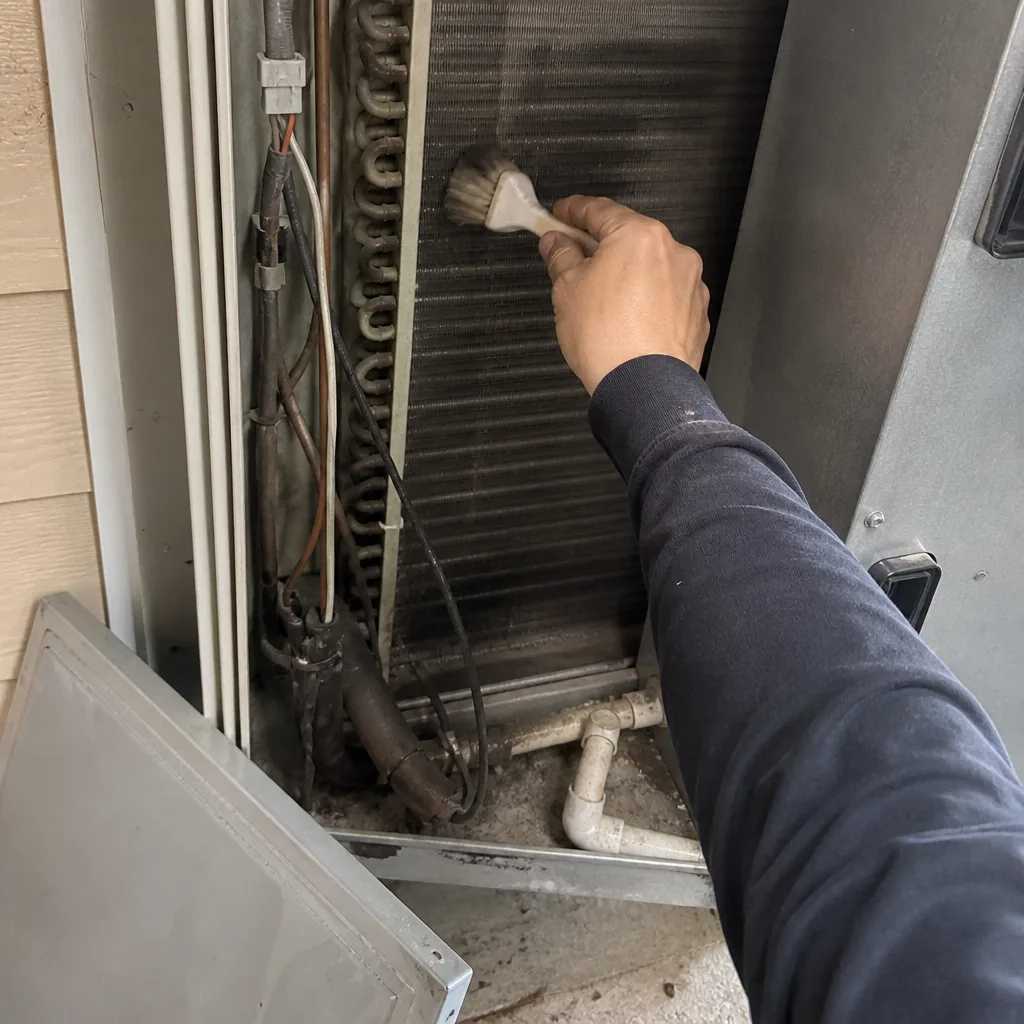
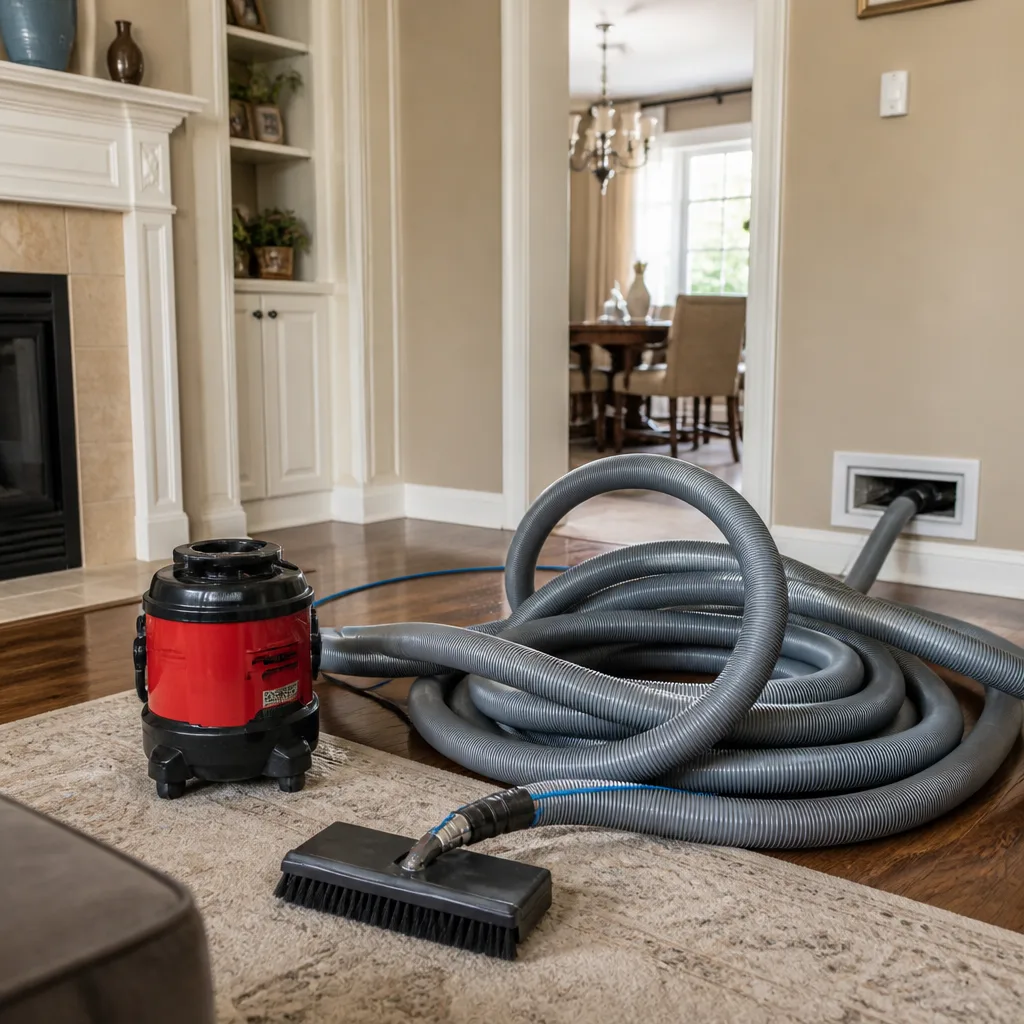 Whole-home duct cleaning
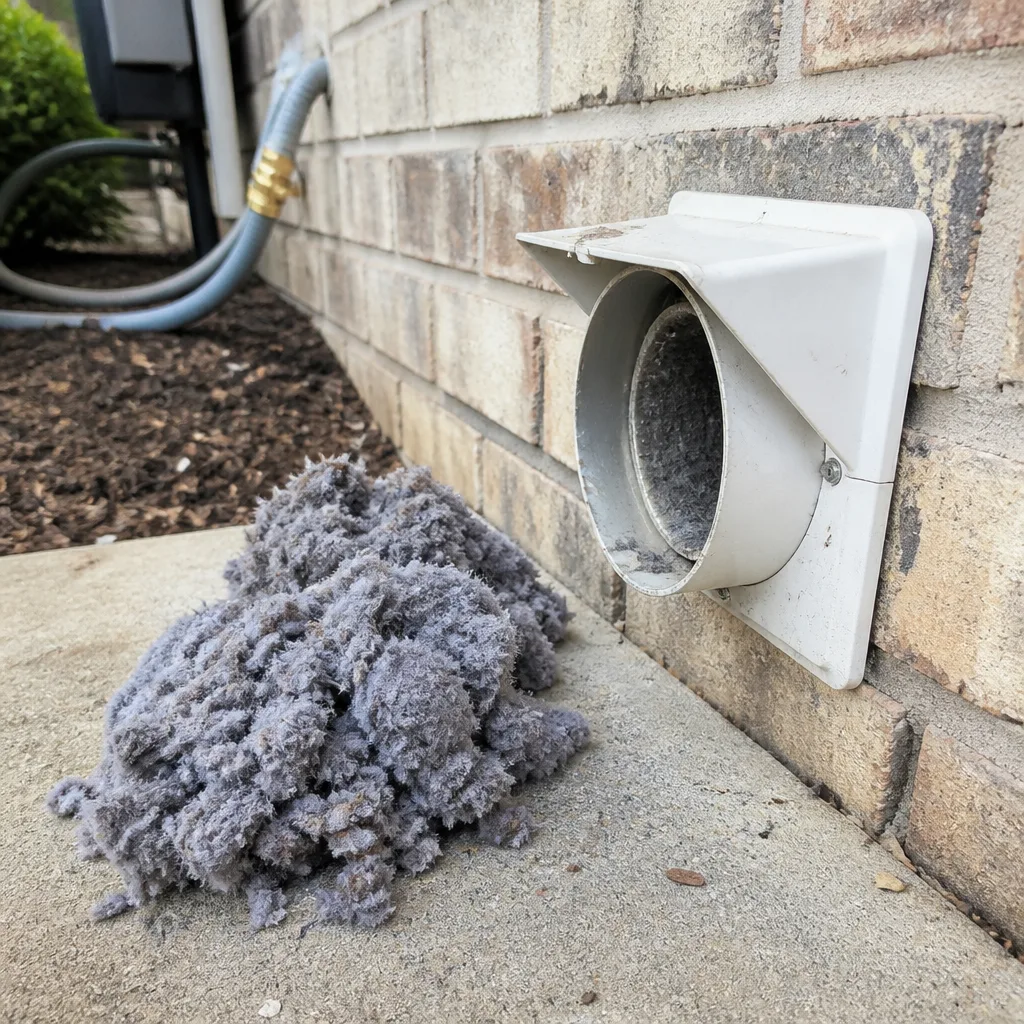 Dryer vent cleaning
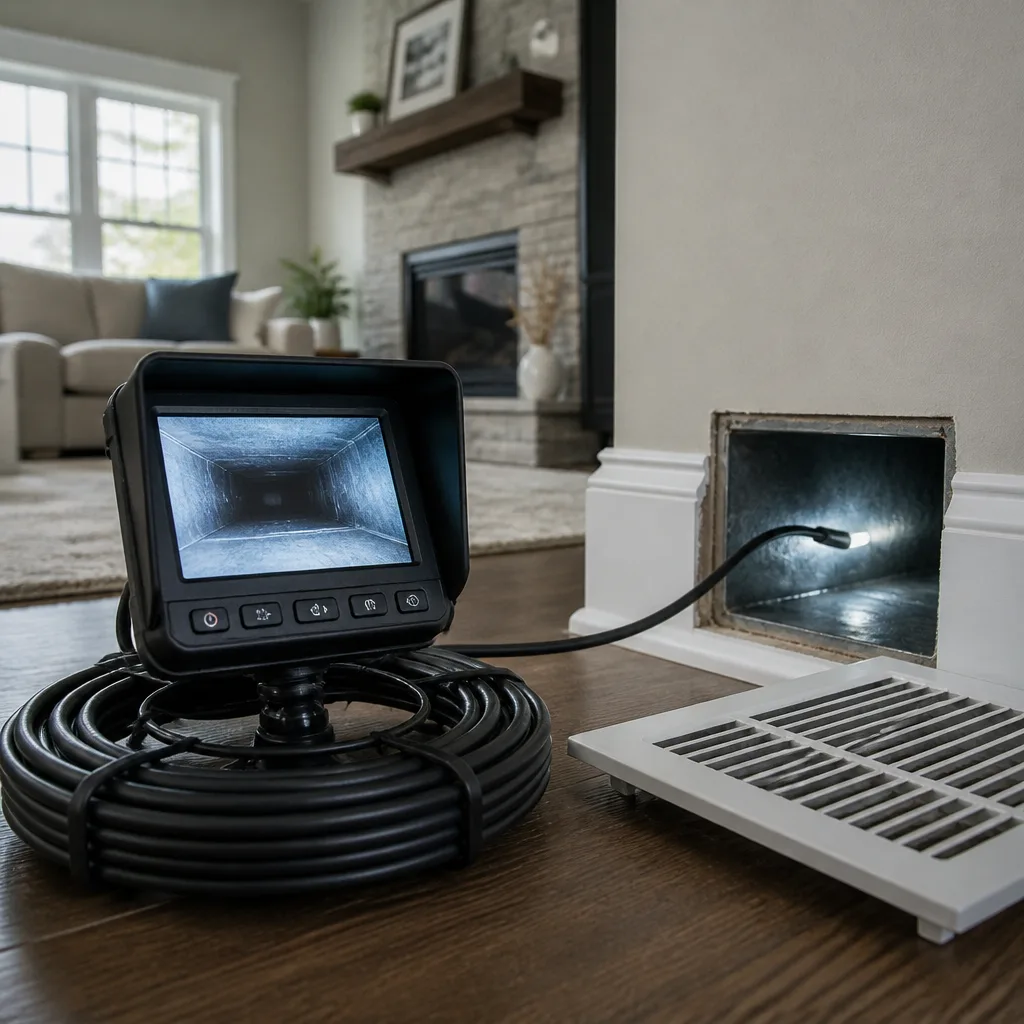 Camera inspection
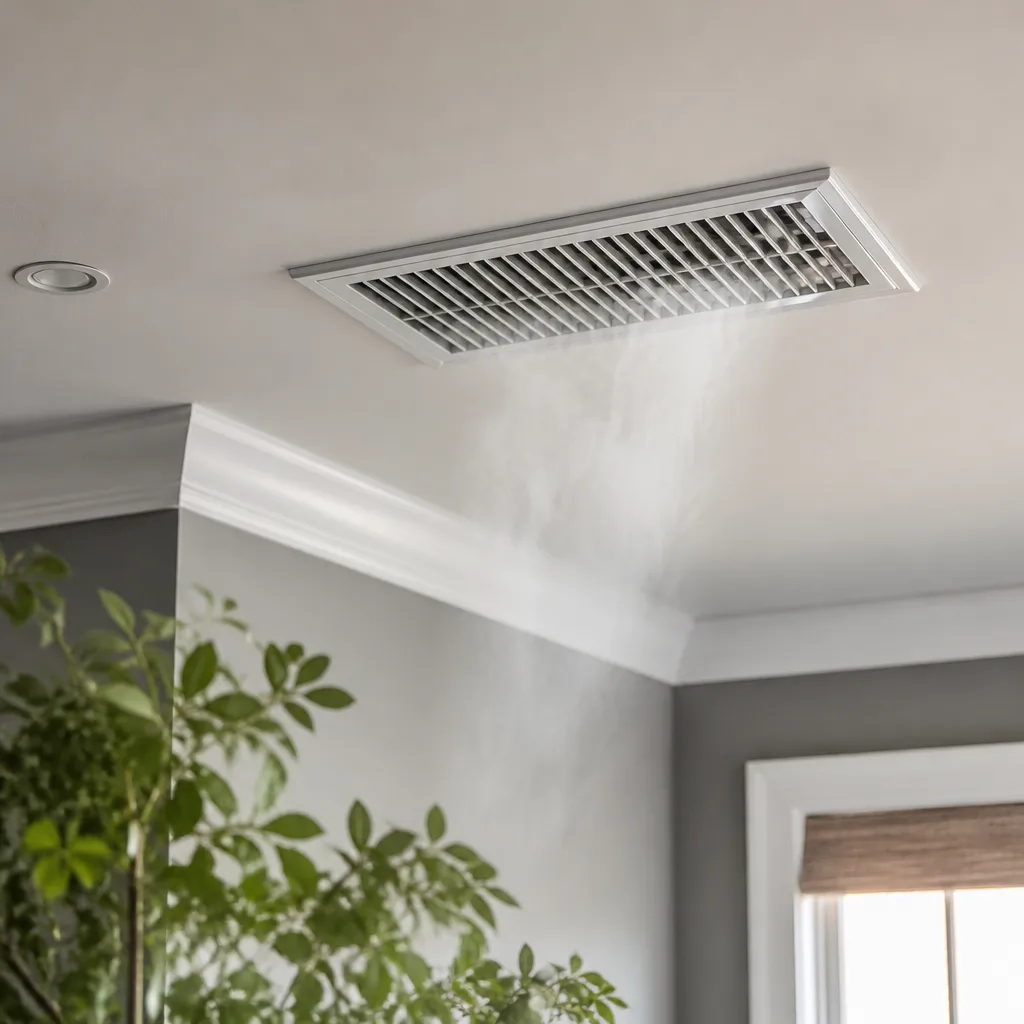 Sanitizing & deodorizing
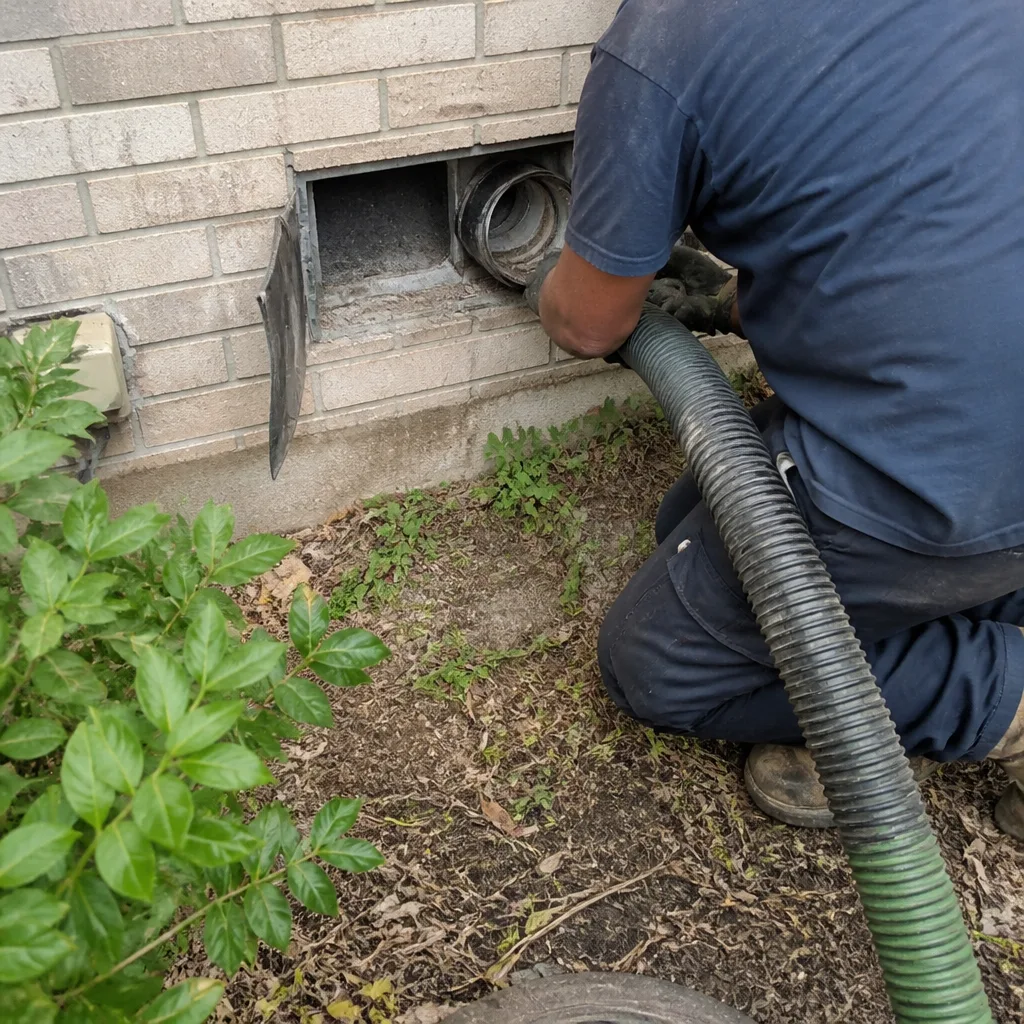
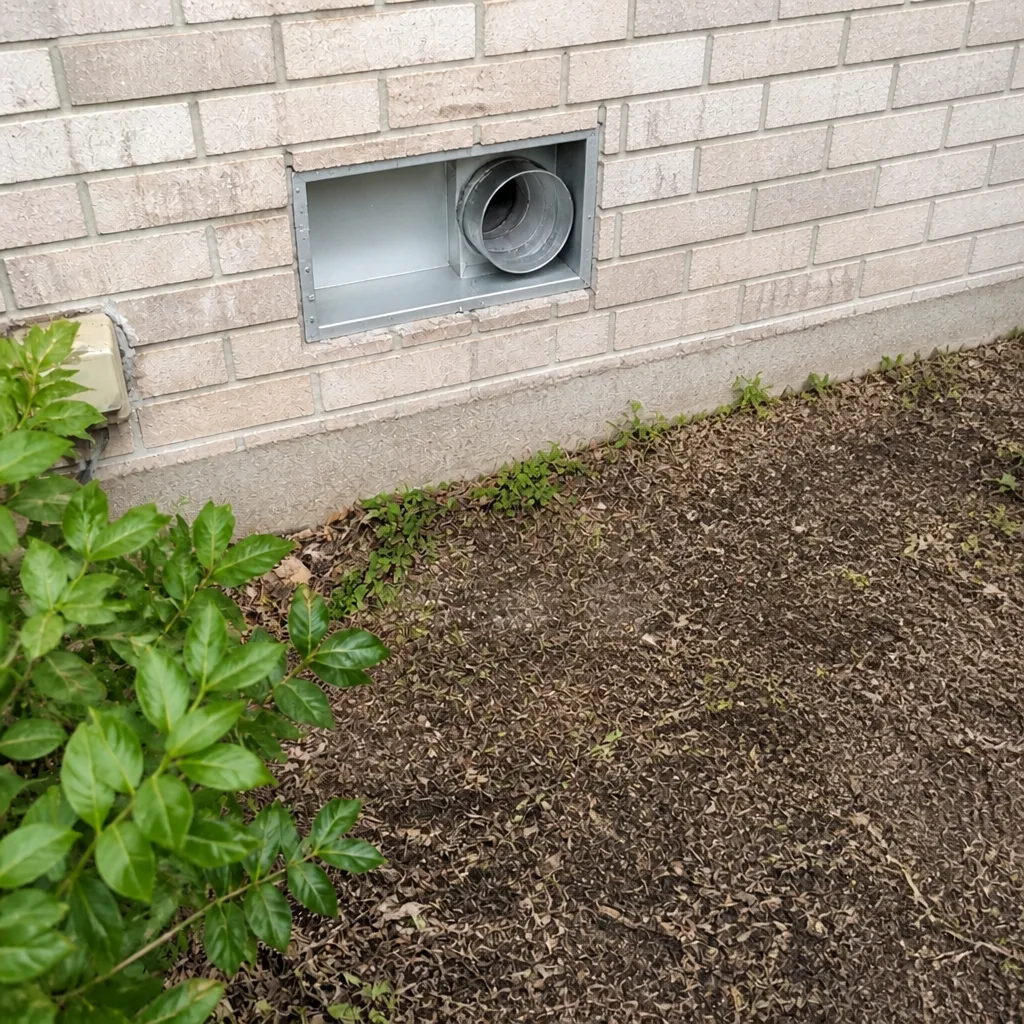
Whole-system duct and dryer vent check with before-and-after photos - you see exactly what came out of your vents
That "$99 whole-house special" is a bait ad - the real number appears once they are in your hallway, or the "clean" is a shop-vac at the register. We photograph the inside of your ducts before and after instead.
Air Duct Cleaning Warning Signs: An Oak Cliff Homeowner’s Reference Guide
Visible dust on the supply grilles is a confirmation, not a warning. By the time you can see it, the problem has been building for months. The signals that actually matter come earlier, and they rarely look like duct problems. Most Oak Cliff homeowners write them off as seasonal allergies, a tired HVAC unit, or a room that has “always been hot.” That misread costs money, because the duct system is usually the cheapest thing to fix and the last thing anyone checks. This guide breaks down what the real warning signs are, what each one tells you about where in the system the trouble lives, and how to read them before a small fix becomes a major one. It’s written for homes across Oak Cliff, from the older bungalows near the Bishop Arts District to newer construction and the steady stream of remodels in between.
Quick Answer
A duct system needs attention when you notice recurring musty or burning odors when the air kicks on, rooms that stay hotter or colder than the rest of the house regardless of thermostat settings, allergy symptoms that get worse indoors but ease outside, visible mold at a grille, or a recent renovation that pushed drywall dust and construction debris into the return. These signs point to contamination, leaks, or blockage inside the ductwork, not to the HVAC unit itself, and they’re usually cheapest to address early.
Styles & brands we work with
- Whole-home duct cleaning
- Dryer vent cleaning
- Camera inspection
- Sanitizing & deodorizing
Table of Contents
- The Smell Index: What Each Odor Tells You
- Airflow Asymmetry: Why One Room Runs Hot or Cold
- Allergy Patterns: Inside the Home vs. Outside
- Visible Mold at Grilles vs. Mold Inside the Duct
- Post-Renovation Signs in Oak Cliff’s Remodel Market
- How to Read the Signals in Order
- When the Signs Point to a Professional
The Smell Index: What Each Odor Tells You
Odor is the most underused diagnostic tool a homeowner has, because each smell maps to a different part of the system. A musty, damp-basement smell points toward moisture and biological growth somewhere the air passes through, often a return duct or interior duct lining. A burning-dust smell when the heat first comes on is usually settled dust cooking off the heat exchanger, and if it lingers past the first few minutes, that dust is living in the ductwork and getting pulled across the heater. A sharp chemical smell is different, and it’s the one we treat as urgent: it can mean a refrigerant or combustion issue, which is an HVAC repair, not a cleaning job.
What each smell tells you about location:
- Musty or mildew: moisture in the return side or in interior duct lining, often after a humid stretch of weather or a slow leak near the air handler.
- Burning dust at startup only: dust on the heat exchanger that clears within a few minutes of running, usually normal.
- Burning dust that lingers: a heavy dust load inside the ducts that keeps getting drawn across the heater every cycle.
- Chemical or “sweet” smell: refrigerant or combustion concern. Stop and call an HVAC technician before running the system further.
- Stale, “old house” smell in one room: a localized leak or blocked branch line near that room’s supply.
In Oak Cliff, the older bungalows and mid-century homes around Wynnewood and Kessler Park tend to hold onto musty smells longer through the humid stretches because original duct layout and tight crawlspaces trap moisture. If the smell shows up the moment the blower starts and fades when it stops, the source is in the airstream, not the room. That distinction alone tells you whether you’re cleaning the duct system or hunting for a problem elsewhere.
Airflow Asymmetry: Why One Room Runs Hot or Cold
When one room is consistently hotter or colder than the rest of the house, the HVAC unit is usually not the first suspect, the ducts are. A unit with a healthy blower can still deliver weak air to a distant bedroom if a branch duct is crushed, disconnected, blocked by debris, or leaking most of its air into a crawlspace or attic before it ever reaches the vent. This is the airflow trap: homeowners pay for an HVAC tune-up, the unit checks out fine, and the room stays uncomfortable because the delivery system is the problem, not the equipment generating the air.
A quick way to think about it:
- One room off, everything else fine: a single branch line issue, blocked or leaking near that room.
- One side of the house off: a trunk or main run problem, often a disconnected joint in the attic or crawlspace.
- Whole house weak: a filter so clogged the blower can’t push, or a collapsed main trunk.
- Room stays the same temperature even with the system off: more likely an envelope issue (insulation, windows, sun exposure) than a duct issue.
That last distinction matters in Oak Cliff. South-facing rooms in homes near the Bishop Arts District bake through the summer regardless of ductwork, and no amount of cleaning changes that. But a room that tracks the thermostat correctly and suddenly stops doing so is a duct signal. Uneven cooling is also an efficiency signal: air leaking from a disconnected duct in the attic is conditioned air you paid for and never feel, which shows up on the energy bill before it shows up anywhere else.
Allergy Patterns: Inside the Home vs. Outside
The pattern of allergy symptoms tells you where the irritant is coming from. Symptoms that flare indoors, ease when you leave the house, and return when you walk back in point toward an indoor source, and duct contamination is high on that list. Symptoms that flare outdoors and ease indoors point toward pollen and other outside irritants, or toward envelope infiltration, where outside air is leaking in through gaps rather than coming through the ducts.
How to read the pattern:
- Track the timing. Note when symptoms start. If they show up within 15-30 minutes of being home and fade within an hour of leaving, the home air is the likely trigger.
- Track the room. Symptoms that concentrate in one bedroom or living area point toward that zone’s supply ducts or a return that serves it.
- Track the system. If symptoms ramp up when the HVAC fan is running and settle when it’s off, the airstream itself is carrying the irritant.
- Rule out the envelope. If symptoms are worse on windy days or near windows and doors regardless of the HVAC cycle, you may be looking at infiltration, not duct contamination.
Oak Cliff’s pollen season is hard on anyone with seasonal allergies, so plenty of people assume the duct system couldn’t possibly be the issue. But the inside-vs-outside pattern is the cleanest diagnostic you have. We’ve seen this pattern flagged enough times in Oak Cliff homes to know it’s worth taking seriously before the next allergy season starts. If the pattern points inward, a professional inspection will tell you whether the source is the ducts or something else.
Visible Mold at Grilles vs. Mold Inside the Duct
Visible mold at a supply grille and mold growing inside the duct system are two different problems that require two different responses, and confusing them wastes money. Mold on or around a grille usually means condensation is forming at a cold supply vent in a humid room, a surface moisture problem you can often correct by fixing the airflow or humidity balance. Mold inside the duct lining or on the interior duct surfaces is a contamination problem that has spread along the airstream, and cleaning it out requires the system to be fully cleaned and, if it returns, the underlying moisture source fixed.
Why the distinction matters:
- Grille mold: often surface condensation at a cold vent; fix the vent and the moisture balance, and the mold stops returning.
- Interior duct mold: growth on interior lining or surfaces along the airstream; requires cleaning the system and correcting the moisture that feeds it.
- Mold in the air handler closet: a moisture problem at the equipment, often a clogged drain pan line or a leaking coil, an HVAC repair issue.
We use Abatement Technologies negative-air equipment on jobs where biological growth is a concern, because dislodged mold spores that circulate back through the house during cleaning are worse than the mold you started with. The point of containment is to pull the contaminants out and keep them out. A technician looking at a mold complaint should be asking one question before anything else: where is the moisture coming from? Cleaning mold without fixing the water source is the most common way a “fix” comes back within a season.
Post-Renovation Signs in Oak Cliff’s Remodel Market
Oak Cliff has one of the most active older-home remodel markets in the area, and a renovation is the single best predictor that a duct system just got loaded with material it was never designed to handle. Drywall dust is the worst offender because it’s fine enough to bypass a standard filter and heavy enough to settle into every branch line. Insulation fibers and construction debris follow the same path. If the HVAC system ran at any point during the tear-out, even for a few hours, that material is now circulating through the ducts and settling against the blower and coil.
Post-renovation warning signs to watch for:
- White dust returning on surfaces after cleanup. Repeated dusting that never seems to stay clean points to the duct system as the source.
- Filter clogging unusually fast. A filter that loads up in weeks instead of months means heavy particulate is still moving through the system.
- Airflow getting weaker over the first month. Debris settling into branch lines progressively narrows the air path.
- New smells after the job wraps. Drywall and construction material bring their own odors, and those odors ride the airstream.
- Symptoms that start within days of the renovation starting. The timing is the clue.
If a renovation is wrapping up in your Oak Cliff home, the right move is a full duct inspection and cleaning before you put the furniture back, not after. It’s also the moment to consider a higher-capture filtration setup; Aprilaire and Honeywell systems integrate well with duct work and give you a filter that actually catches the fines that drywall creates. We repair what we find during these jobs too, because remodels often uncover disconnected or damaged ducts that were hiding behind the old walls.
How to Read the Signals in Order
When multiple signs stack up, the sequence in which you read them tells you where to look first. Here’s the order we work through on an inspection, and the order you can use at home before calling anyone.
- Start with the filter. A clogged filter mimics duct problems better than anything else. Replace it, note the date, and see whether airflow and symptom patterns shift over the next few days.
- Listen to the blower. A strained or whistling blower hints at restricted airflow, which could be the filter, a collapsed duct, or blockage further in.
- Note the smell timeline. Latches on with the blower and fades when it’s off points into the airstream. Constant regardless of the system points toward the envelope or a room-level source.
- Check the thermostat vs. the room. If the thermostat reads one temperature and a specific room reads another, that zone’s branch duct is the first suspect.
- Look for visible dust at grilles. If you’re seeing it, the duct system has been accumulating for a while. This is confirmation, not a starting point.
- Consider recent history. A renovation, a new roof, a HVAC replacement, or a season of heavy pollen all change what’s happening in the ducts.
Working in this order rules out the cheap, obvious causes first and keeps you from paying for a cleaning when the real problem was a filter or an envelope issue all along. A homeowner who knows the order reads the signs faster than a technician who starts with a tool.
When the Signs Point to a Professional
Some signs are DIY-checkable. These are not. Call a professional when you see visible mold at a supply or return grille, when a smell becomes chemical or “sweet” (and stop running the system), when one room’s airflow gets progressively weaker over weeks, when a renovation has run the HVAC system through the tear-out, or when an allergy pattern points clearly indoors and hasn’t eased after a filter change. These are situations where an inspection tells you exactly what’s happening in the duct system, and a full-system cleaning with contact agitation and containment is the right response rather than a vacuum of visible surfaces.
Air Duct Cleaning Oak Cliff offers free estimates in Oak Cliff. Call (855) 337-2058. We answer 24/7, with fast dispatch from 7am to 7pm, Sunday through Friday.
See the difference
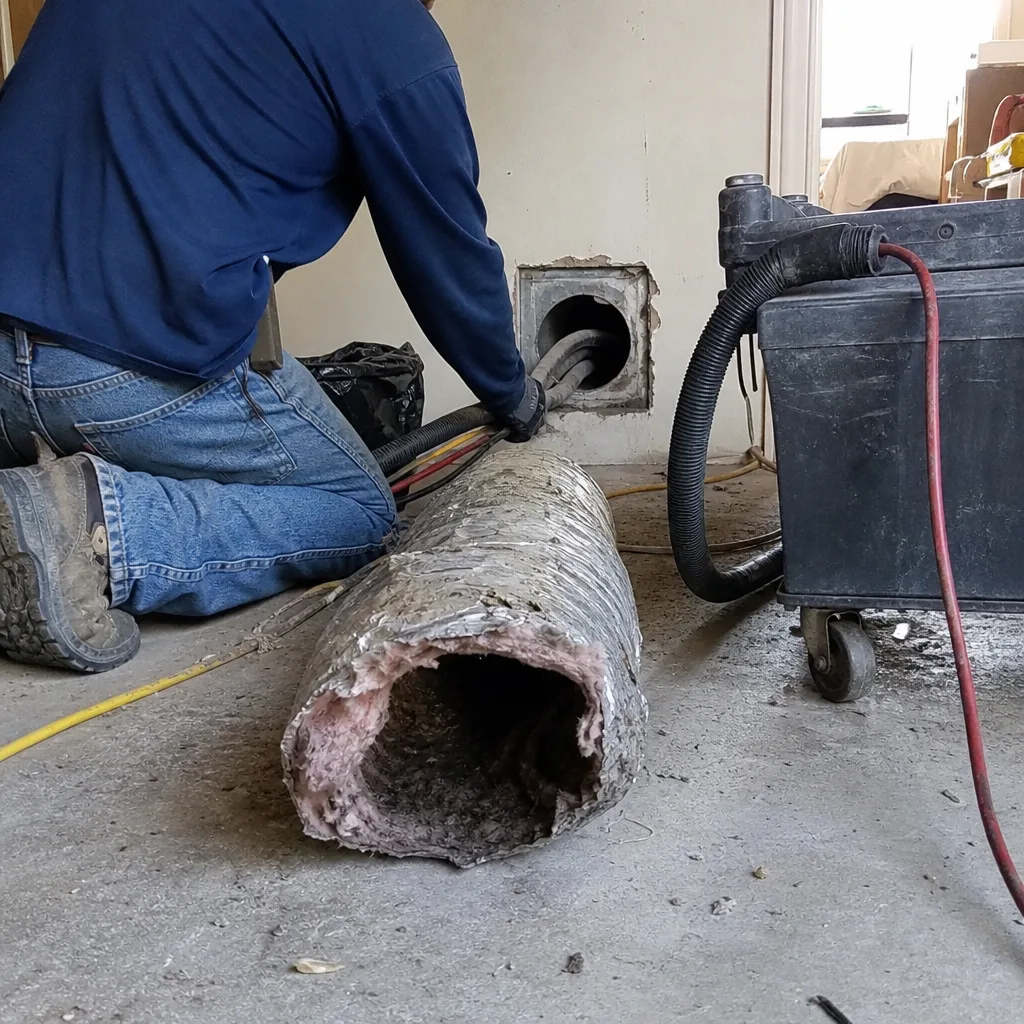 Before
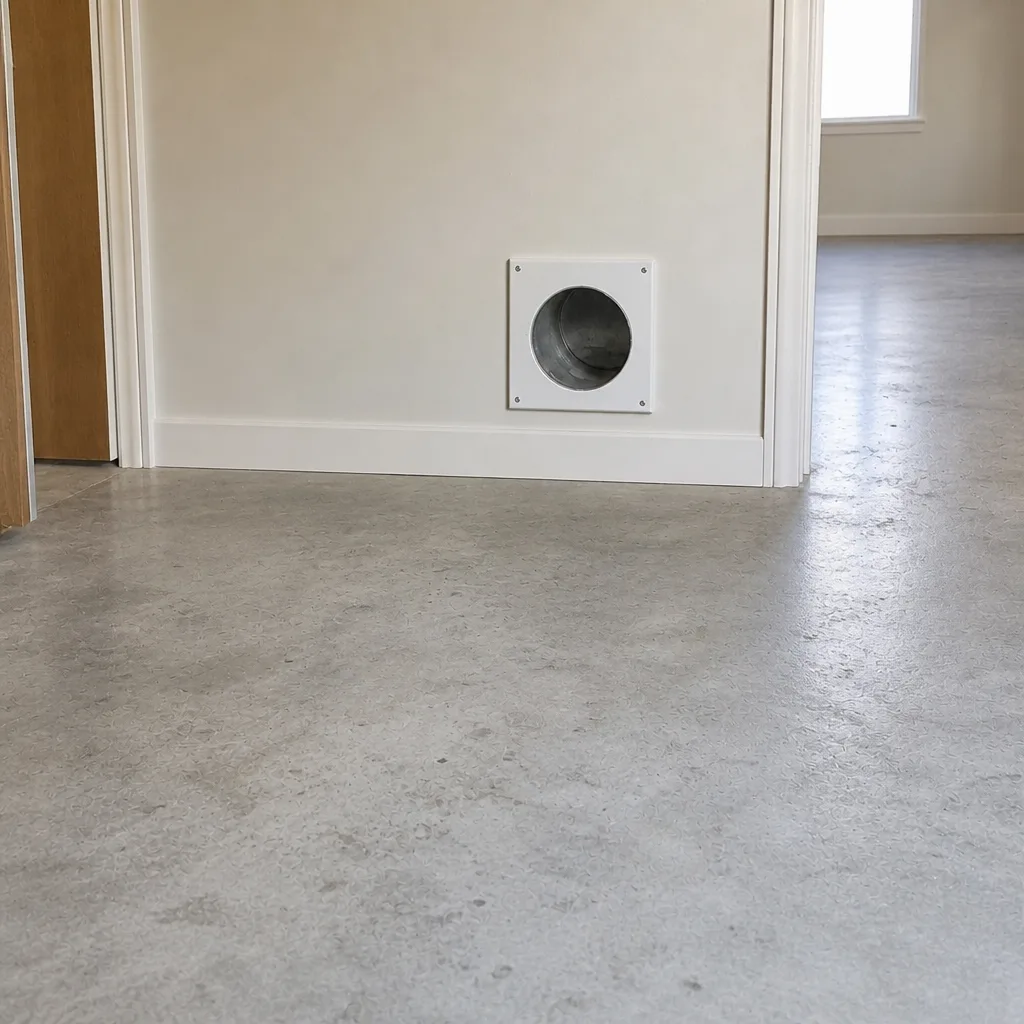 After
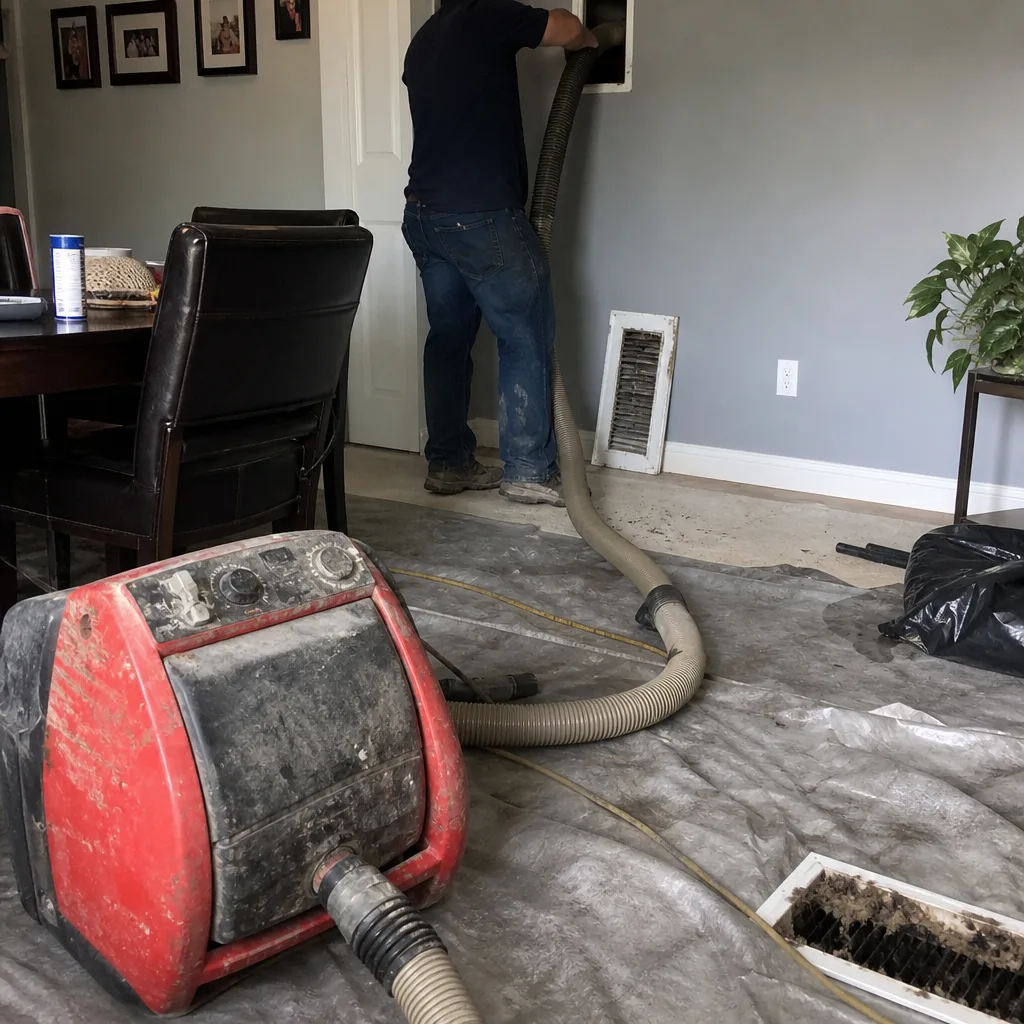 Before
 After
 Before
 After
Common Mistakes to Avoid
- Treating allergies as a seasonal problem only. Oak Cliff’s pollen season is real, but if symptoms follow you indoors and ease when you leave, the indoor air is telling you something the calendar can’t.
- Replacing the HVAC unit before checking the ducts. A new unit attached to leaking, contaminated ductwork delivers the same uncomfortable rooms and the same bill, at a much higher cost.
- Vacuuming grilles and calling it cleaned. The dirt you can see at a grille is a fraction of what’s settled inside the branch lines; contact cleaning is what moves it.
- Skipping duct work after a renovation. Drywall dust, insulation fibers, and construction debris are the most common post-remodel duct load in Oak Cliff, and a filter swap alone doesn’t clear the lines.
- Cleaning mold without finding the moisture. Mold returns within a season if the water source (a slow leak, a condensation issue, a humidity imbalance) hasn’t been fixed.
- Ignoring the dryer vent. Dryer vent cleaning is a fire-risk service, and it’s easy to forget when you’re thinking about the whole home’s air. It belongs in the same conversation.
- Choosing a quote by sticker price alone. A low number usually means surface vacuuming without containment, which stirs up more than it removes and gives you no record of what was done.
Frequently Asked Questions
Most whole-home duct cleanings in the Oak Cliff market fall in a typical range of roughly $350 to $650, depending on the number of registers, the length of the duct runs, and whether you add sanitizing, duct repair, or dryer vent work. The number is set per job by a written estimate after we see the system, not by a per-vent price teed up over the phone. Call (855) 337-2058 for an exact quote; estimates are free.
A musty smell that shows up the moment the blower starts and fades when it stops, because that pattern tells you the source is inside the airstream rather than in the room. It’s more reliable than visible dust, which usually appears after the problem has been building for months. Other early signals include a single room that stays off-temperature and allergy symptoms that flare indoors but ease outside. Call (855) 337-2058 if you want us to check.
Low quotes are usually per-vent pricing with a surface vacuum and no containment, which means the fine particulate gets stirred up and recirculates rather than getting extracted. A proper job uses rotary contact cleaning and negative-air containment, and the equipment is the difference in price. We carry Rotobrush, Nikro, and Abatement Technologies systems because cleaning surfaces isn’t the same as cleaning the system. Call (855) 337-2058 for a whole-system estimate.
Mold in the airstream can contribute to indoor allergy and respiratory symptoms for people sensitive to it, and it’s worth taking seriously as an indoor air quality issue rather than dismissing it as cosmetic. We treat it as a contamination problem, which means cleaning the full pathway and finding the moisture source. Visible mold inside a duct system is a professional job, not a wipe-down. Call (855) 337-2058 to schedule an inspection.
Most Oak Cliff homes fall into a three-to-five-year cycle, shorter if you have pets, recent renovations, or a household member with significant allergies. Homes with heavy return-side dust load or a history of moisture may need it more often, and a home that’s never been cleaned usually needs it regardless of how recently it was built. A filter change keeps the interval longer but doesn’t replace cleaning. Call (855) 337-2058 for a recommendation specific to your system.
If one room has persistently weak airflow, or your energy bill is climbing without an obvious cause, a leaking or disconnected duct is a common culprit and cleaning alone won’t fix it. We offer Duct Repair & Sealing as a distinct service for exactly this reason, so we’re checking the ductwork for leaks and breaks during every inspection. Cleaning the duct without sealing the leaks leaves the efficiency problem in place. Call (855) 337-2058 and we’ll include a repair check with your estimate.
The Bottom Line
If you remember one thing from this guide, it’s that the warning signs you can read early (odor patterns, airflow asymmetry, allergy symptom timing, post-renovation dust) are worth more than the visible dust that shows up late. Read the signals in order, rule out the cheap causes, and call a professional when the pattern points inward or the system has just been through a renovation. We handle Air Duct Cleaning Oak Cliff as a full-system service, which means air duct cleaning, HVAC cleaning, and dryer vent cleaning can be scoped in the same visit, along with repair and sanitizing when the system needs it. Our technicians have up to 9 years of experience and we carry contractor-grade equipment most locals don’t name.
Call (855) 337-2058. We answer 24/7, with fast dispatch from 7am to 7pm, Sunday through Friday. Estimates are free, and the price is set per job in writing before any work starts.
Written by the team at Air Duct Cleaning Oak Cliff.