
Last updated November 23, 2026
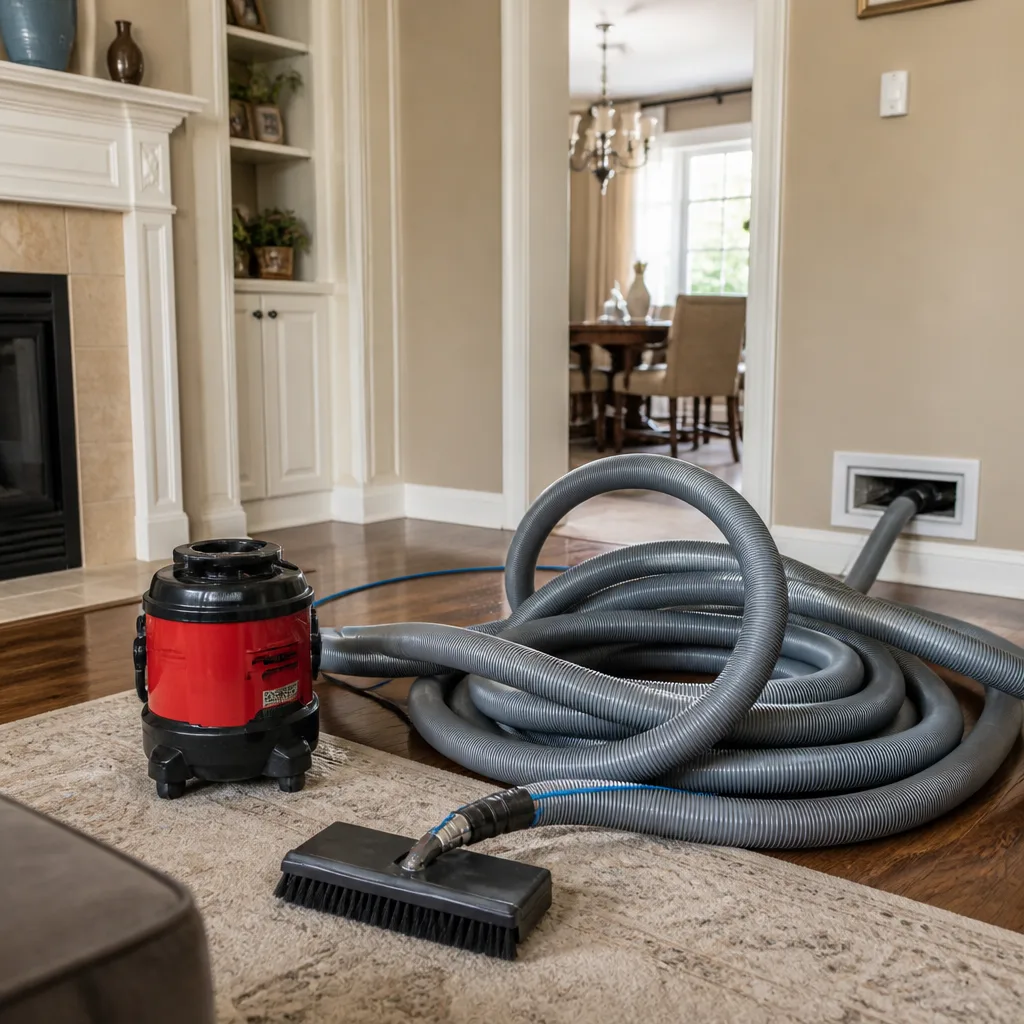 Whole-home duct cleaning
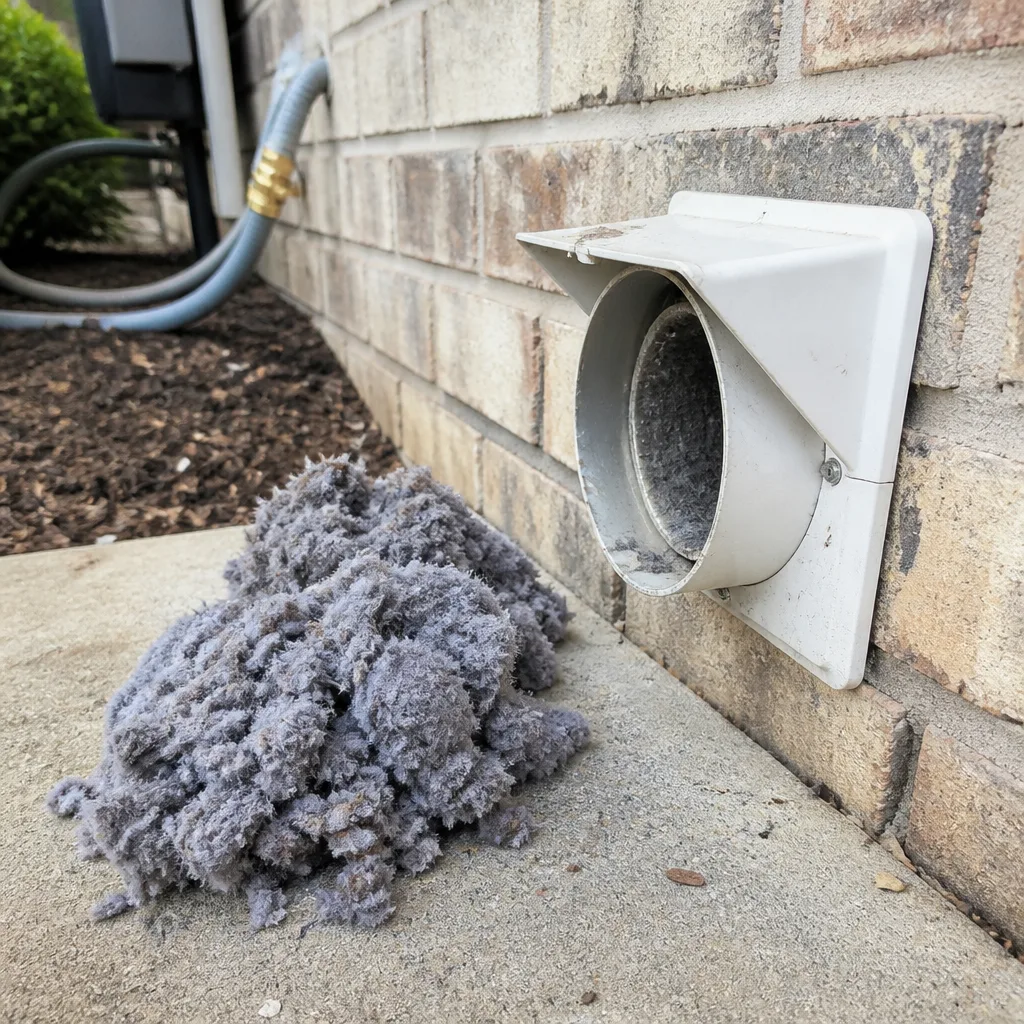 Dryer vent cleaning
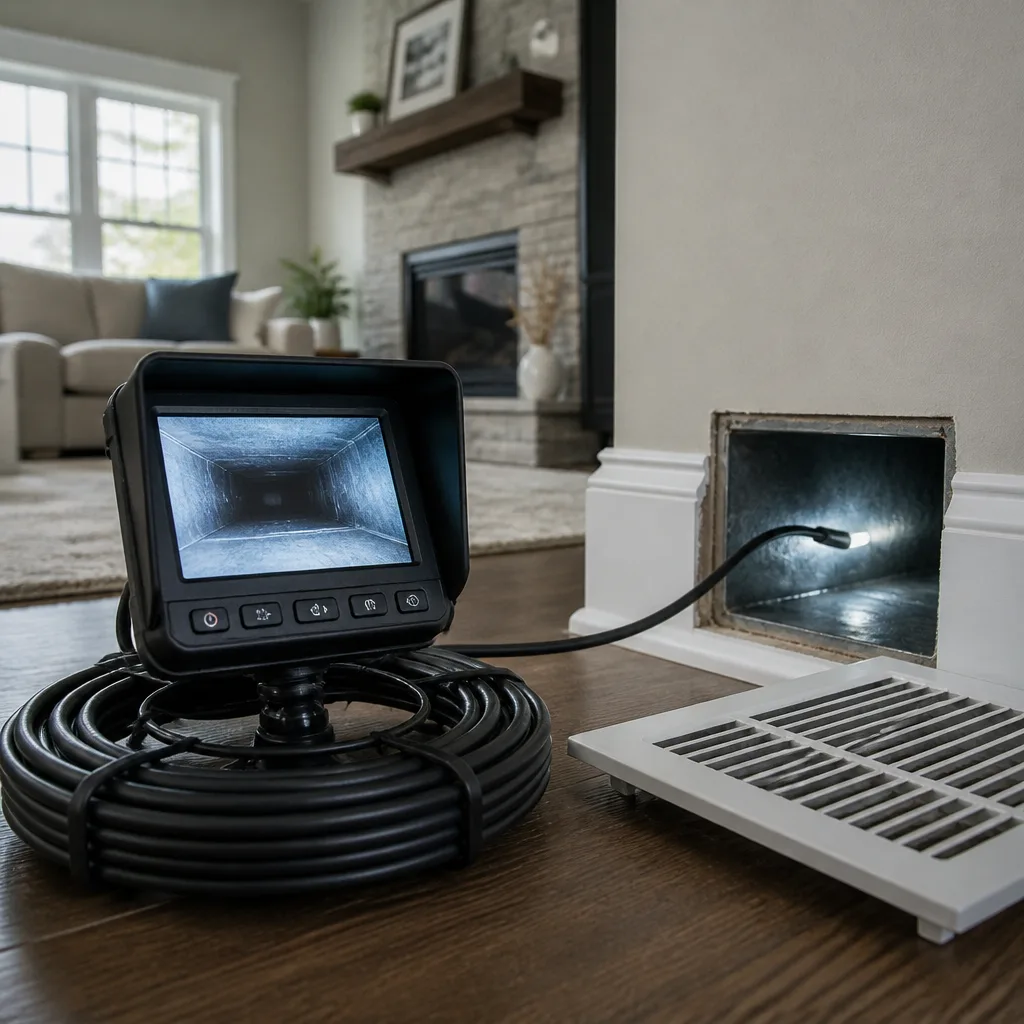 Camera inspection
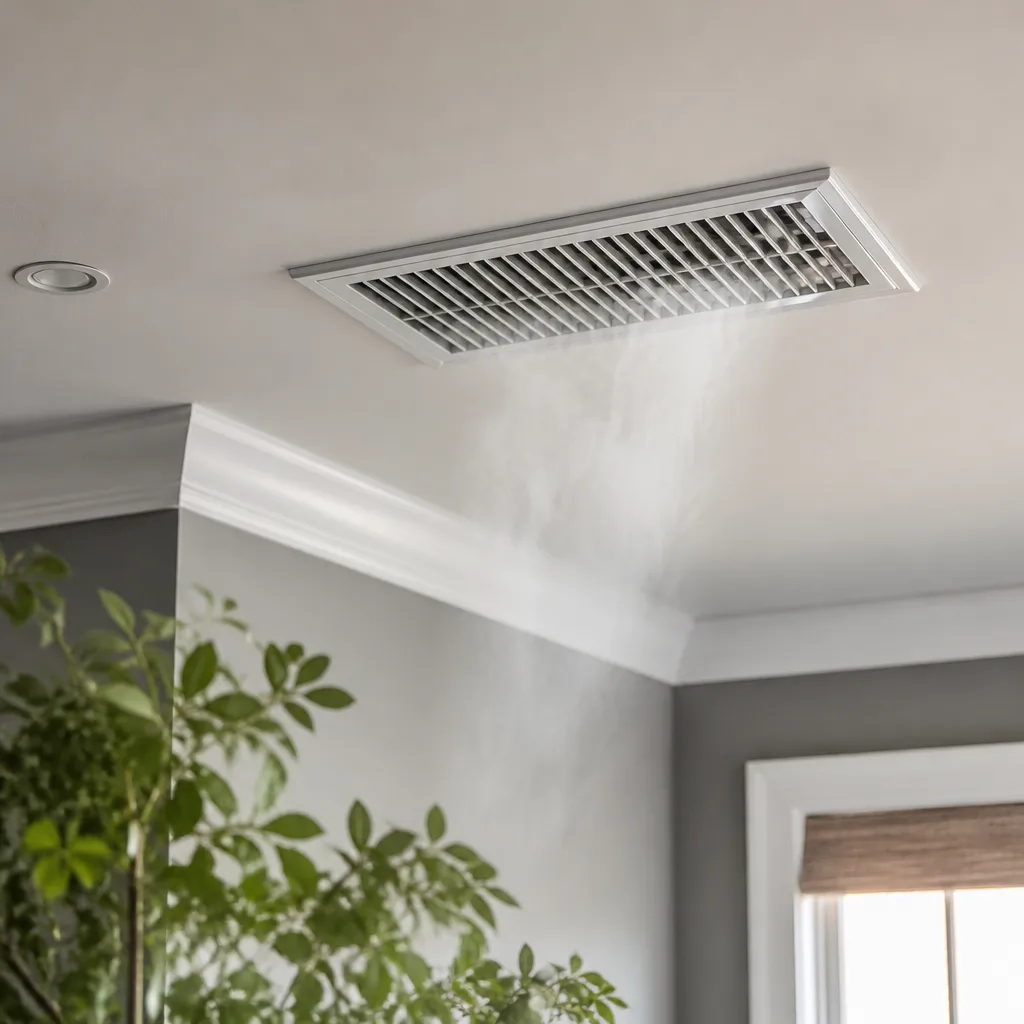 Sanitizing & deodorizing
Whole-system duct and dryer vent check with before-and-after photos - you see exactly what came out of your vents
That "$99 whole-house special" is a bait ad - the real number appears once they are in your hallway, or the "clean" is a shop-vac at the register. We photograph the inside of your ducts before and after instead.
How to Hire an Air Duct Cleaning Contractor in Oak Cliff: A Step-by-Step Guide
Most homeowners in Oak Cliff start their search the same way: they get three quotes, compare the totals, and pick the lowest. That’s the wrong filter, and it’s the one that costs people the most. The Federal Trade Commission and the EPA have both issued consumer warnings specifically about air duct cleaning scams, a distinction shared by very few trades. When a category of home service draws federal warning notices, the screening has to happen before anyone books, not after the invoice arrives. What follows is a vetting process you can run over the phone in ten minutes, with Oak Cliff specifics on quotes, equipment, and what Texas expects you to verify.
Quick Answer
To hire an air duct cleaning contractor in Oak Cliff, run three checks before you book: confirm the crew uses contact cleaning equipment (Rotobrush or equivalent) and a negative air machine like Abatement Technologies, ask for a line-item written quote instead of a flat price, and verify the company’s Texas business registration and insurance certificate in writing. Any contractor who resists those three requests is a surface-only operation.
Styles & brands we work with
- Whole-home duct cleaning
- Dryer vent cleaning
- Camera inspection
- Sanitizing & deodorizing
Table of Contents
- Why the FTC and EPA Warnings Change How You Shop
- The Five Answers That Should End the Phone Call
- What Equipment to Ask About by Name
- How to Read an Air Duct Cleaning Quote
- Licensing and Insurance: What to Verify in Texas
- Why the Lowest Bid in Oak Cliff Almost Always Means Less Work
- What a Proper Whole-System Cleaning Looks Like
- How to Confirm the Work Was Actually Done
Why the FTC and EPA Warnings Change How You Shop
Federal consumer agencies do not publish warnings about an industry for minor reasons. The FTC’s guidance on air duct cleaning focuses on inflated health claims and pressure tactics. The EPA’s addresses contractors who clean only the visible portions of the system, or who use truck-mounted vacuums without contact agitation and call it done. Both agencies arrive at the same conclusion: the homeowner has to vet the contractor, because the market does not self-police.
In Oak Cliff, that warning lands in a housing market where it matters. The neighborhood runs from 1920s bungalows near the Bishop Arts District to mid-century ranch homes out toward Kiest Park, and a lot of the housing stock has original sheet metal ductwork that has never been sealed. Those systems collect dust differently than modern flex duct. They also hide it better, because decades of small leaks pull attic and crawlspace air into the return path. A contractor who only vacuums the registers and the easy trunk lines will not touch any of that.
The practical takeaway is not that every company in the market is dishonest. It’s that the honest ones expect to be questioned, and they answer without hesitation. The next sections give you the questions and the answers that separate them.
The Five Answers That Should End the Phone Call
You can screen out a surface-only operator before anyone touches your home. Ask open questions about method and equipment, and listen for these five responses. Any one of them is a reason to call the next company on your list.
- “We just hook up a big vacuum and pull.” A truck-mounted vacuum alone creates suction, not contact cleaning. Duct walls hold dust and debris that air movement alone will not release. Without a rotary brush system like Rotobrush physically agitating the surface, the extraction removes loose particles and leaves the bonded layer behind.
- “We don’t need to open the plenum or the blower.” This is the clearest tell. A real whole-system cleaning includes the blower compartment, the evaporator coil, and the supply and return plenums. A crew that only cleans the branch runs is doing a fraction of the job. It’s also why their quote is lower, which we’ll come back to.
- “Our price is per vent, and we can add more if we find problems.” Per-vent pricing exists to make the phone quote look small. The real scope gets discovered on site, with you already committed. A legitimate quote is priced per system, agreed in writing before work starts.
- “Nobody actually pulls permits or asks for insurance for this.” Air duct cleaning itself generally does not require a permit in most Texas municipalities, but insurance does not follow that logic. Any contractor working inside your home should carry general liability coverage, and they should be willing to prove it. Deflecting that question is a red flag.
- “We recommend a full sanitization package for everyone.” Sanitizing has a place, particularly after mold remediation or a rodent issue. Presenting it as a mandatory add-on for every job signals a sales script, not a diagnosis. In Oak Cliff’s mild winters, humidity stays high enough through much of the year that moisture intrusion is a real concern, but it should be identified, not assumed.
None of these five answers is difficult to spot once you know the script. Two or three phone calls will usually narrow your list to one or two companies worth inviting in.
What Equipment to Ask About by Name
Equipment names are your best proxy for method. A company that owns professional-grade tools names them, because the purchase made them deliberate. Ask directly: what system do you use for contact cleaning, what do you use for extraction, and do you own or rent the gear?
- Rotary contact cleaning systems. The Rotobrush system is a rotary brush and vacuum combination that scrubs duct walls while extracting debris. It’s the difference between sweeping a floor and wiping it. Ask whether the crew uses this or a comparable contact system on every job or only on “heavy” ones.
- Negative air machines. Abatement Technologies equipment is built for containment: the machine creates negative pressure in the duct system so dislodged contaminants are pulled out instead of pushed into your living room. A contractor who doesn’t mention containment, or who can’t explain what it means, doesn’t practice it.
- HEPA-rated extraction. Nikro vacuum systems are HEPA-rated, which matters because the last stage of the job is filtration. The fine particulate is the part that settles on surfaces and triggers allergy symptoms, so the exhaust has to be filtered, not just strong.
- Ownership versus rental. A crew that rents its gear has no reason to learn its quirks. Ask plainly whether the equipment is owned. Companies that own their systems know how they behave in older Oak Cliff ductwork, where a brush can snag on a collapsed seam or a disconnected joint. That knowledge is how damage gets avoided.
One more thing worth asking: whether the company works with whole-home air quality accessories. If they’re familiar with Aprilaire and Honeywell filtration and humidification systems, they understand what happens downstream of the ductwork. That matters if you’re considering added filtration later.
How to Read an Air Duct Cleaning Quote
A written, line-item quote is the single best signal of a legitimate operation. A flat price with no scope behind it tells you nothing about what will actually be cleaned. Here’s how to read what you’re given.
Good quotes break out scope by component. You should see lines for supply ducts, return ducts, the main trunk, the blower and coil area, and any register or vent covers included. The quote should also state what equipment is being used and whether containment is part of the job. If the document is one number on a handwritten slip, ask for a revision before you agree to anything.
Good quotes are priced per system. Whole-system pricing is how a contractor who intends to do the whole job protects their own margin. They need to clean the plenum and the coil to justify the number, so they price it in. Per-vent pricing works the opposite way, because the easiest way to protect margin on a per-vent job is to spend less time on the parts nobody sees.
Good quotes separate repair from cleaning. If your system needs Duct Repair & Sealing, that should appear as its own line with its own scope, not be lumped into the cleaning price or sprung on you after the fact. The same is true for dryer vent work. It’s a separate service line with a separate fire risk attached, and we see it skipped routinely by duct-only companies.
Good quotes tell you what’s excluded. A quote that claims to cover everything is guessing. Ask what’s not included. A crew that names its exclusions knows where the boundaries of the work are.
What a typical quote structure looks like
- Scope statement: which ducts, which components, what method.
- Equipment list: contact cleaning system, extraction, containment.
- Number of returns and supplies to be serviced.
- Any repair or sealing work identified during inspection, priced separately.
- Dryer vent cleaning as a distinct line if requested.
- Written price and terms, signed before work starts.
Licensing and Insurance: What to Verify in Texas
Air duct cleaning falls into a category where licensing is less standardized than trades like electrical or plumbing. Texas does not license air duct cleaners as a separate class the way it licenses HVAC contractors. What that means practically: you cannot rely on a license number as proof of competence. You verify other things instead.
- Business registration. Confirm the company is registered as a business in Texas. A quick check with the Texas Secretary of State’s office confirms whether the business entity exists and in what name.
- General liability insurance. Ask for a certificate of insurance and read it. It should name the company and show current coverage. A contractor who offers to “send it after” is usually telling you something.
- Workers’ compensation or employer coverage. If a crew of more than one person is entering your home, ask. If someone is injured in your house, you want to know who carries the liability.
- The written contract. Get it in writing before any work begins. It should match the quote and include the scope you discussed on the phone.
- References in Oak Cliff. Ask for local references and actually call one. A contractor with a working reputation in the neighborhood will not flinch at that request.
For a more detailed look at the service itself, see our main page on air duct cleaning in Oak Cliff, which covers the process from inspection to final filtration.
Why the Lowest Bid in Oak Cliff Almost Always Means Less Work
The lowest quote in the market usually belongs to a crew that will not pull the blower compartment or touch the coil. That’s not speculation; it’s arithmetic. Cleaning the coil and blower is the most time-consuming and delicate part of the job, because those components are where years of dust and biological growth accumulate. Skipping them cuts the labor on the job substantially.
In Oak Cliff specifically, that skipped area is often where the actual problem lives. The neighborhood’s older homes usually have their air handler in an attic, closet, or garage, frequently without a sealed access panel or a filter cabinet that fits properly. A loose filter door on a 1950s ranch pulls unfiltered air straight into the return, which coats the blower wheel and the coil with a layer of fine debris. That layer restricts airflow, drives up your electric bill, and forces the system to work harder. The registers may look clean while the coil is matted. A crew that never opens that compartment will never see it, and your symptoms will not change.
The flip side is also true. A contractor who prices the whole system has the time budget to actually clean it, which is why we price per system, not per vent. The estimate you receive from a company like that reflects the full scope. The written estimate sets the final price, agreed before work starts, and there are no surprises added line by line as the job progresses.
The coil, blower, and plenum are also where repair work shows up. If a joint has separated or a run is leaking, that’s a Duct Repair & Sealing job, and it needs to be identified during cleaning, not assumed away. Our HVAC cleaning process includes the air handler and coil as part of the whole-system scope.
What a Proper Whole-System Cleaning Looks Like
Knowing what a real job involves makes the quotes and equipment questions easier to evaluate. Here is the sequence a competent contractor follows, and what you should see happen in your home.
- Inspection first. Before any equipment is set up, the crew walks the system, locates the air handler, checks for disconnected runs, and looks for moisture or pest activity. In an older Oak Cliff home, that inspection often uncovers a return line that’s come apart in the attic space.
- Containment setup. Negative air machines establish containment before cleaning begins, so loosened debris exits the system rather than recirculating through the house. This is the step that separates a professional job from a messy one.
- Contact cleaning of the duct runs. Rotary brush systems agitate and extract along each supply and return branch, including the trunk lines. The registers and covers come off and get cleaned separately.
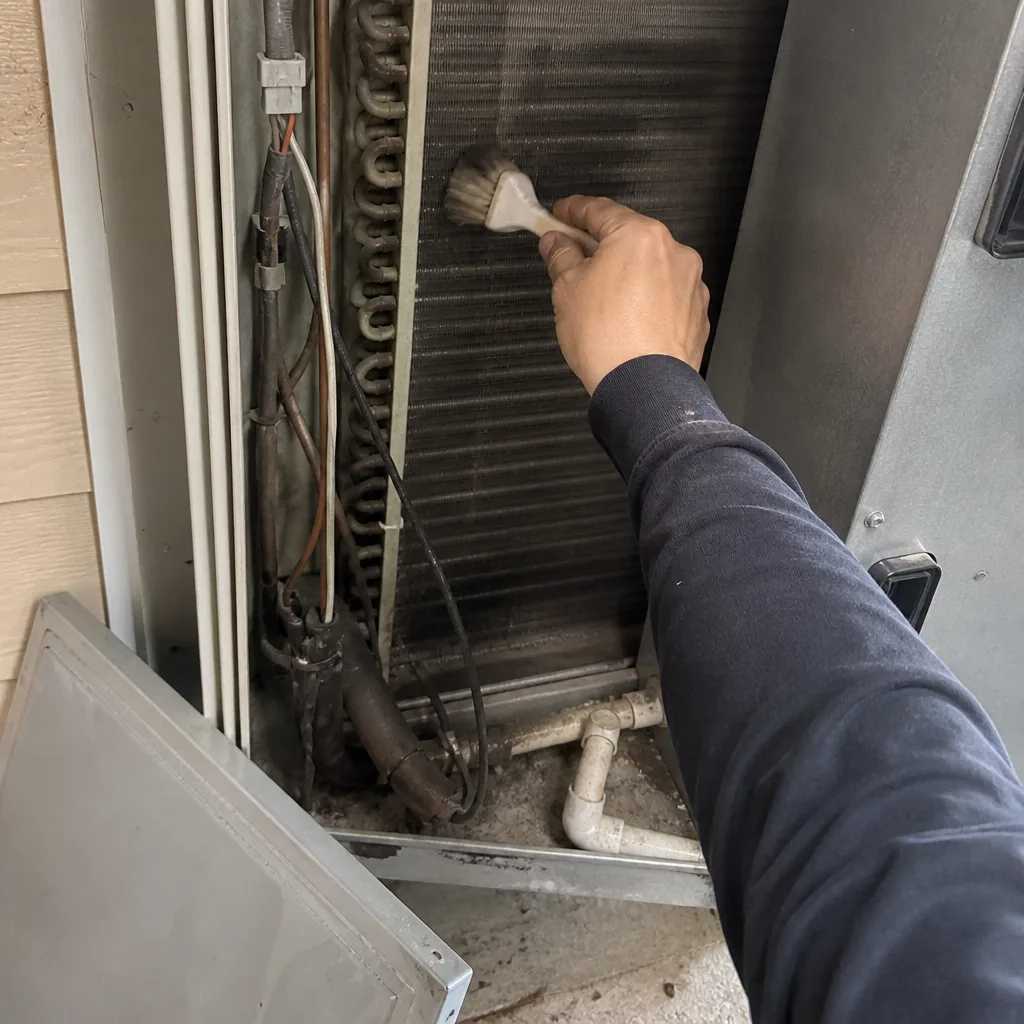
- Blower and coil cleaning. The air handler is opened, the blower wheel and evaporator coil are cleaned and inspected, and the compartment is closed back up properly.
- Sealing and repair as needed. Disconnected joints, gaps at the plenum, and unsealed filter cabinets get addressed during the visit.
- Final filtration and verification. The system runs under negative pressure through a HEPA filtration stage, and photos of before and after are taken of your actual ducts.
If your dryer is venting into a long run up through the attic, ask about that in the same visit. Dryer lint is the leading cause of dryer fires in homes, and it’s a completely separate cleaning task from the HVAC ducts. Our dryer vent cleaning service is priced and scheduled independently, and it’s worth asking whether the attic run on your home meets current venting practice, particularly if the house predates modern dryer venting standards.
How to Confirm the Work Was Actually Done
The complaint we hear most from homeowners who hired a cheap crew previously is that they have no idea what happened. The technician was in and out in under an hour, no photos, no discussion of what was found. Verification has to be built into the job from the start.
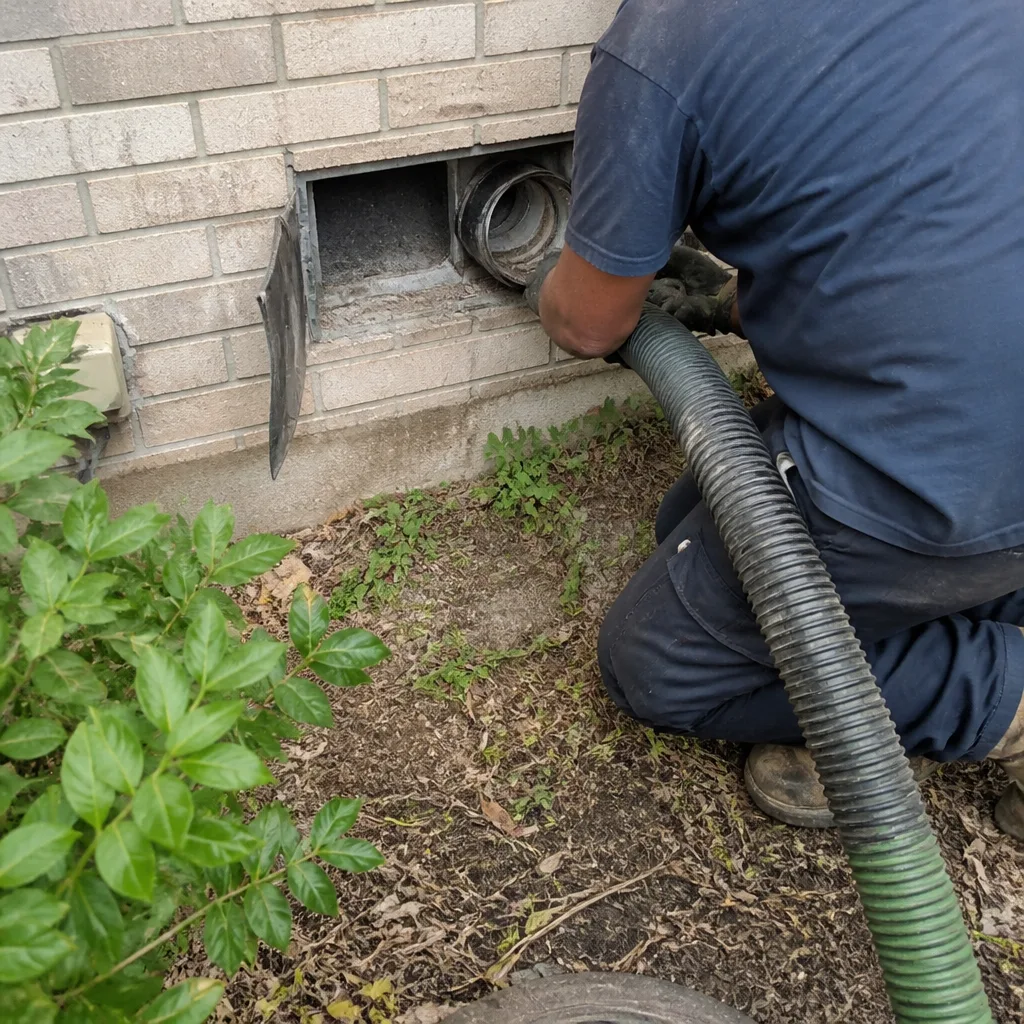
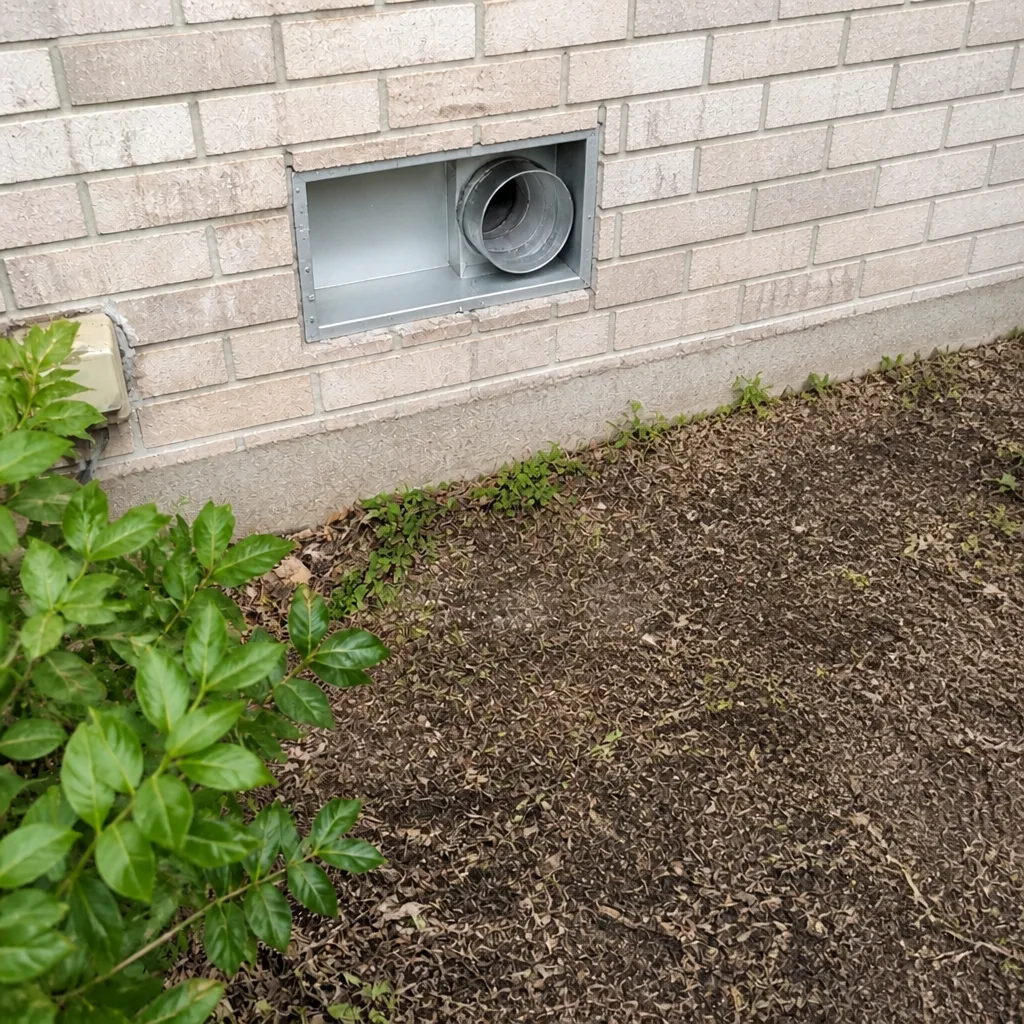
- Before-and-after photos of your own ducts. Not stock images. Ask specifically for photos of your supply runs, your return, and the coil before and after. A contractor using a rotary camera naturally has these.
- Presence during the work. You don’t need to hover, but you should be able to look at the setup. Containment equipment, brush heads, and HEPA extraction should all be visible.
- Written scope confirmation. Confirm after the job that everything on the quote was done. Any item skipped should be explained.
- Follow-up check. Within a week or so of cleaning, pay attention to those symptoms you’d noticed: allergy flares, musty odor when the system starts, uneven temperatures between rooms. Airflow changes and odor improvement are the usual early signals. If nothing has changed, call the contractor back and ask why.
If you’re specifically trying to understand the process in more depth, our overview of air duct cleaning covers what happens across each stage.
Common Mistakes to Avoid
- Choosing on price alone. The lowest bid in Oak Cliff almost always belongs to a crew that will skip the coil and blower. Two quotes that look identical on paper can represent very different scopes.
- Accepting a per-vent quote. Per-vent pricing makes a job look cheap at the phone stage and protects margin by cutting time on the unseen components. Ask for a per-system price with written scope.
- Skipping the insurance verification. Asking for a certificate of insurance takes two minutes. Not asking leaves you exposed if a crew member is injured in your home or something is damaged.
- Believing the “clean only the vents” shortcut. Register and vent surface cleaning is visible progress, but the coil, plenum, and trunk lines are where contamination causes the symptoms. If the quote doesn’t include them, the job is incomplete.
- Ignoring the dryer vent. Many duct-only companies skip this entirely. If your dryer vent run is long or climbs through the attic, it’s worth cleaning alongside the HVAC work.
- Not asking for photos of your specific system. A before-and-after of your ducts, not a stock photo, is the basic verification step. Ask for it before work begins.
- Skipping repair when it’s warranted. Cleaning a leaking system is cleaning a system that will re-contaminate. If disconnected joints or gaps are found, Duct Repair & Sealing is part of getting a durable result.
See the difference
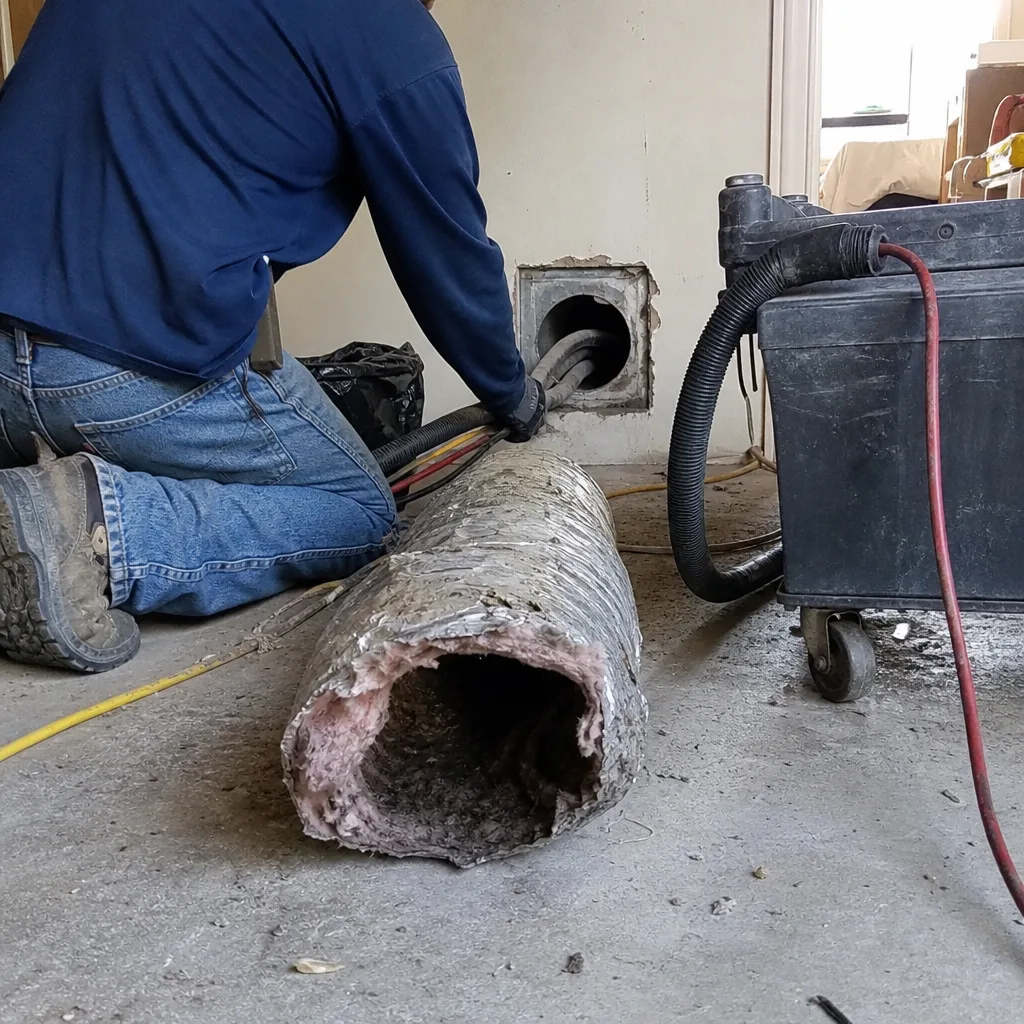 Before
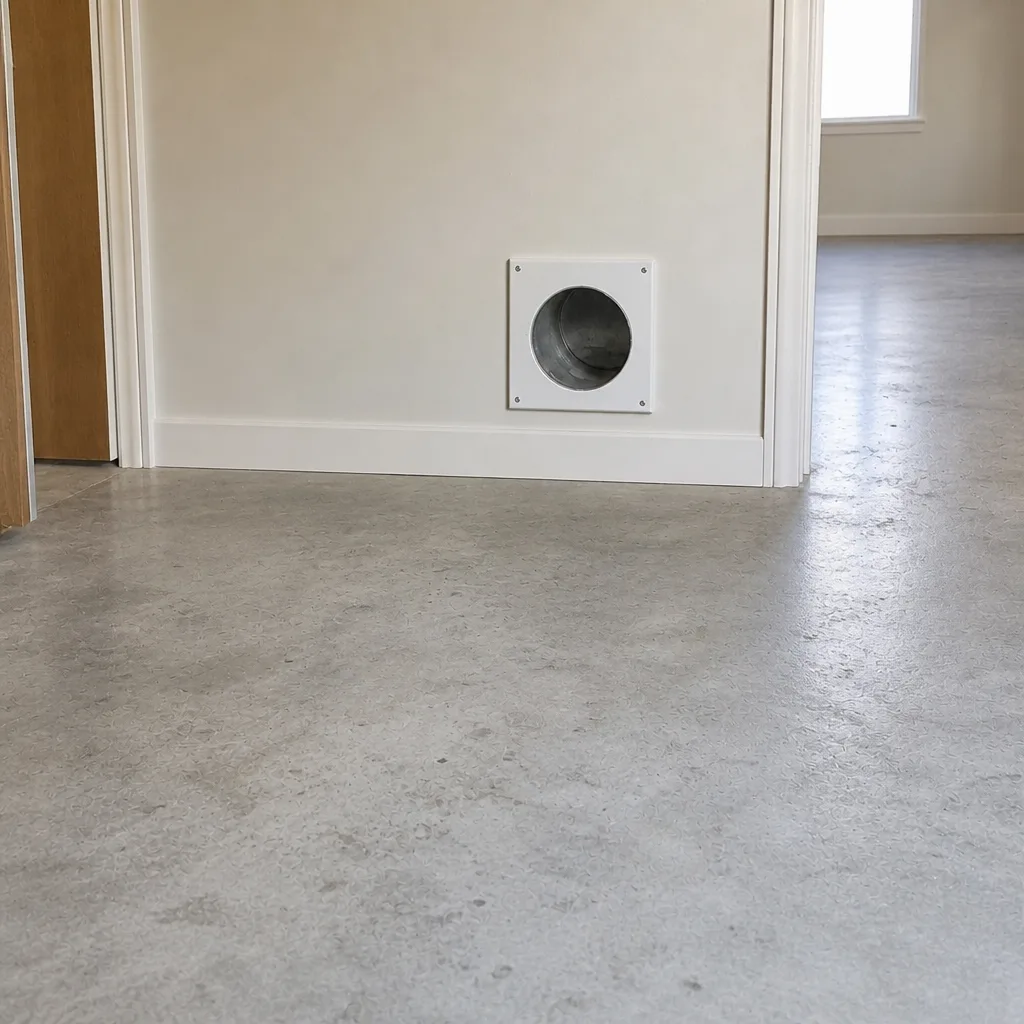 After
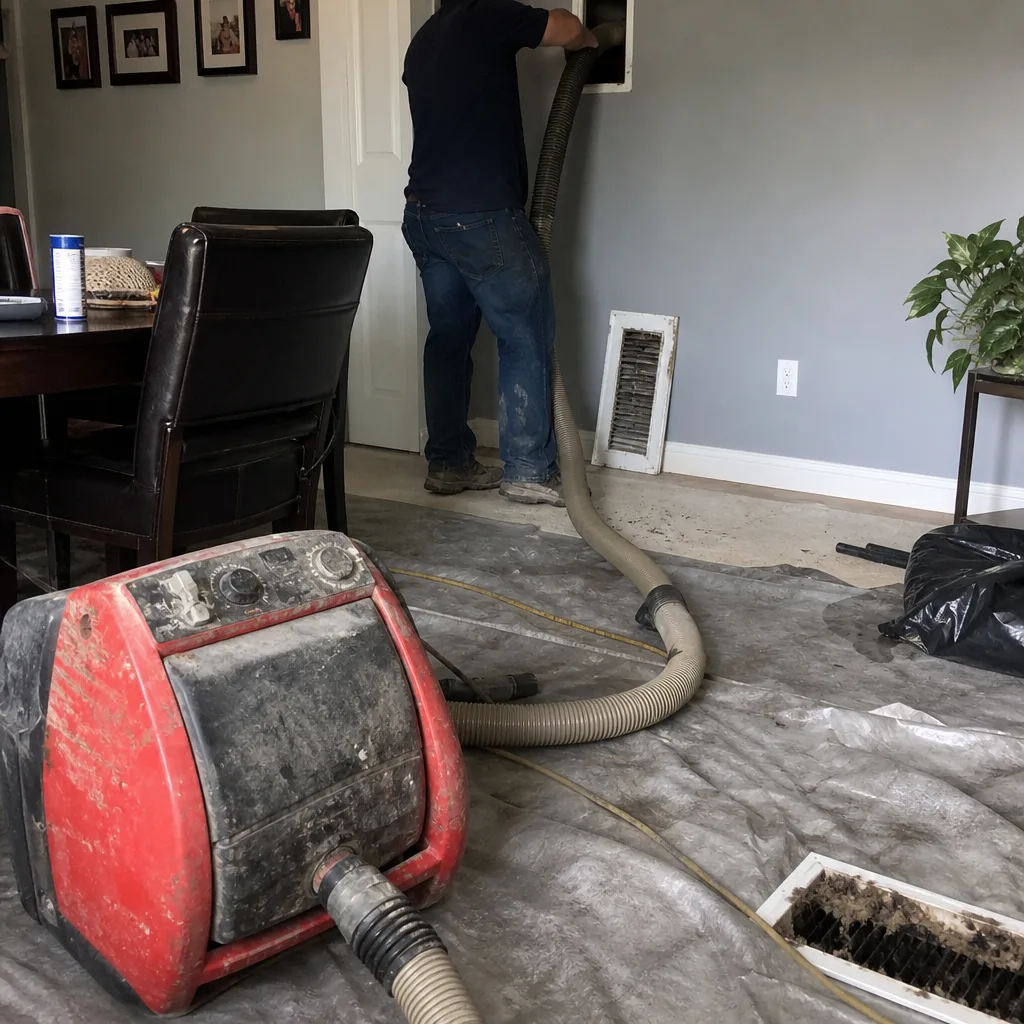 Before
 After
 Before
 After
When to Call a Professional
Not every system problem needs professional cleaning. But there are clear signals that home-level cleaning and filter changes won’t fix. Call a professional if you notice a persistent musty or stale smell when the HVAC system first starts up, particularly in the summer when humidity is at peak. Uneven temperatures between rooms, especially rooms that have become noticeably warmer or cooler than they used to be, point to airflow problems that may be duct or coil related. Worsening allergy symptoms when you’re at home, an unexplained bump in your electric bill, visible dust puffing from a register when the system kicks on, or any evidence of pest activity or moisture in the ductwork all merit a professional inspection.
Air Duct Cleaning Oak Cliff offers free estimates in Oak Cliff. Call (855) 337-2058. We answer 24/7. Fast dispatch from 7am to 7pm, Sunday through Friday. Our technicians have up to 9 years of experience, and every job is priced per system from the written estimate, with before-and-after photos of your actual ducts.
Frequently Asked Questions
Costs vary with system size, number of runs, and whether repair or sealing is needed, so we quote per system after an inspection, and the written estimate sets the final price. Beware of per-vent pricing offers that look low up front but hide the scope exclusion. Call (855) 337-2058 for a free estimate, and we’ll walk through what your system actually needs.
Cheap quotes are usually cheap because the crew won’t pull the blower compartment or touch the coil, which is the most time-intensive part of the job. That compartment is often where the actual contamination lives, especially in older Oak Cliff homes with attic air handlers and loose filter cabinets. A quote that doesn’t include the coil and blower is a quote for a partial job. Call (855) 337-2058 for a whole-system estimate.
Ask for before-and-after photos of your own duct runs and your coil, and confirm that everything on the written quote was completed. Containment equipment and contact cleaning tools should be visible on site. Any contractor who hesitates to show you what was found and cleaned isn’t giving you the verification you deserve. Call (855) 337-2058 to discuss a job with documented before-and-after photos.
There’s no single correct interval, and companies that push an annual schedule for every home are selling, not diagnosing. Many homes go several years between cleanings. Signs that it’s due include visible dust at registers, musty odor on startup, uneven room temperatures, or a recent renovation or pet situation. If a company can’t explain why a particular frequency applies to your home, ask for one.
Yes, dryer vent cleaning is one of our five service lines. Dryer lint is a fire risk, particularly in long vent runs that climb through the attic, and many duct-only companies don’t offer it at all. It’s scheduled and priced separately from the HVAC work. Call (855) 337-2058 to add it to your visit.
Ask specifically about rotary contact cleaning equipment, whether they own it, and whether a negative air machine provides containment during the job. Ask about HEPA-rated extraction as well. Rotobrush, Abatement Technologies, and Nikro are the systems we use, and we can explain what each does before we enter your home. Call (855) 337-2058 to go through those questions with us.
The Bottom Line
Hiring a duct cleaner in Oak Cliff is a ten-minute conversation, not an hours-long research project. Ask about equipment by name. Ask for a line-item, per-system written quote. Verify Texas business registration and insurance in writing. Ask what’s not included and ask for before-and-after photos of your own ducts. Any contractor who answers those questions plainly is worth a visit. Any one who deflects is not. The market has earned the FTC and EPA warnings; your screening process is how you avoid the companies that earned them. We answer questions like these every day, and we’re happy to answer yours.
Air Duct Cleaning Oak Cliff performs air duct cleaning, dryer vent cleaning, HVAC cleaning, air quality and sanitizing, and duct repair and sealing across Oak Cliff, using Rotobrush and Nikro systems with Abatement Technologies containment and compatibility with Aprilaire and Honeywell air quality equipment. Call (855) 337-2058 for a free estimate. We answer 24/7. Fast dispatch from 7am to 7pm, Sunday through Friday.
Written by the team at Air Duct Cleaning Oak Cliff.