
Last updated November 23, 2026
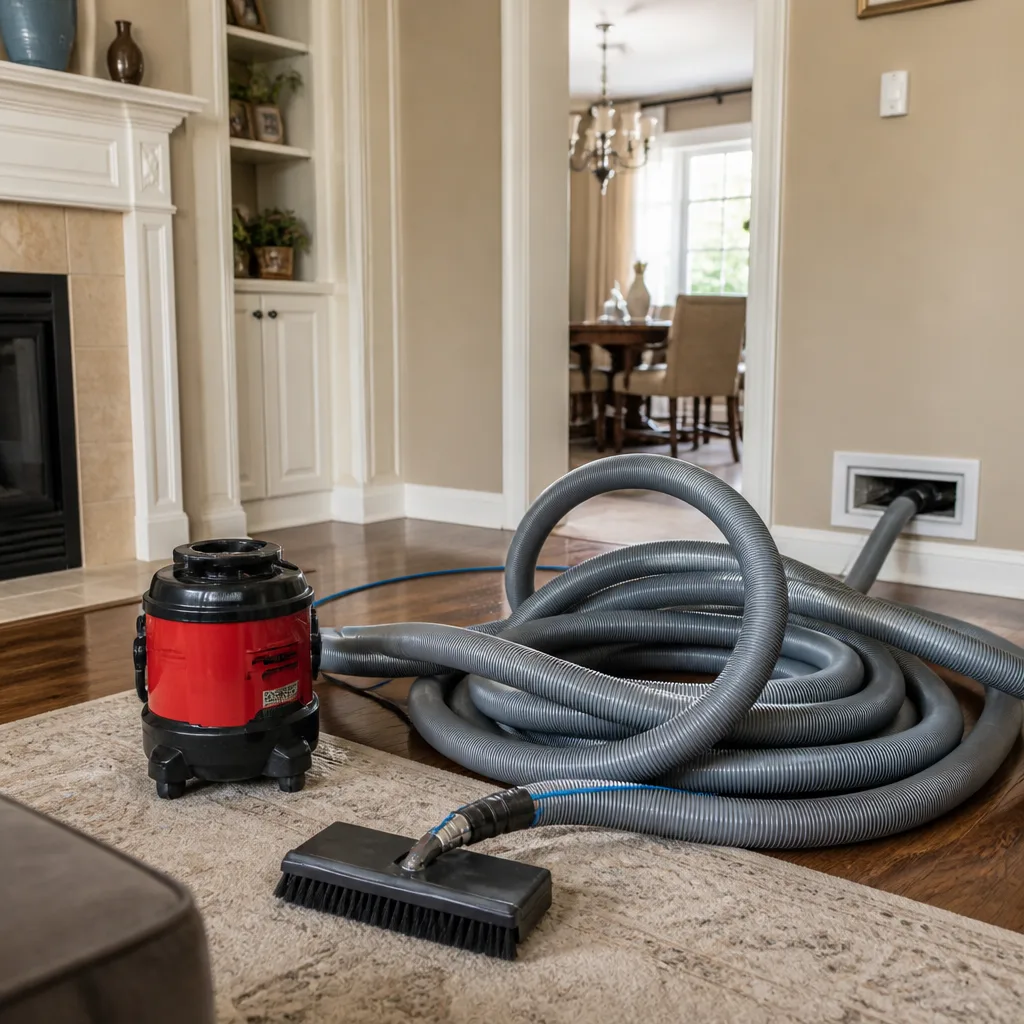 Whole-home duct cleaning
 Dryer vent cleaning
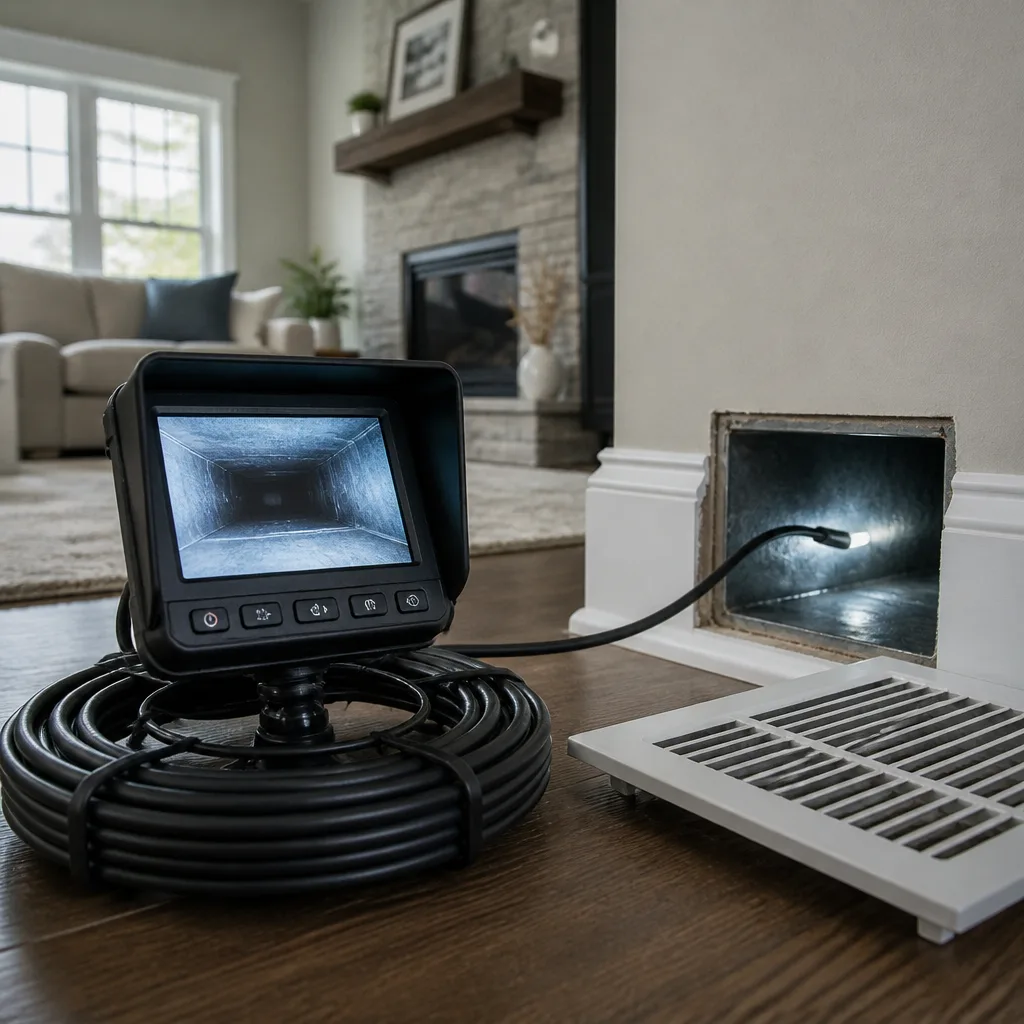 Camera inspection
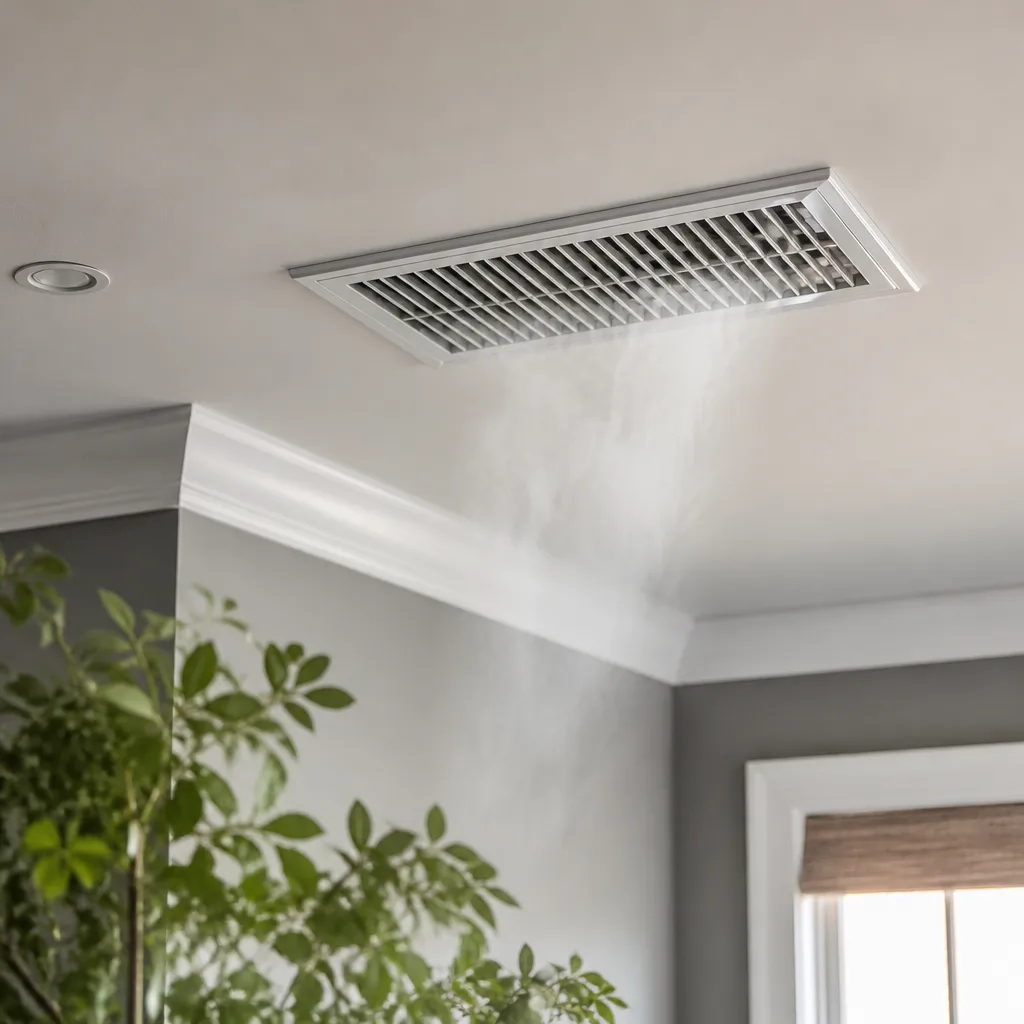 Sanitizing & deodorizing
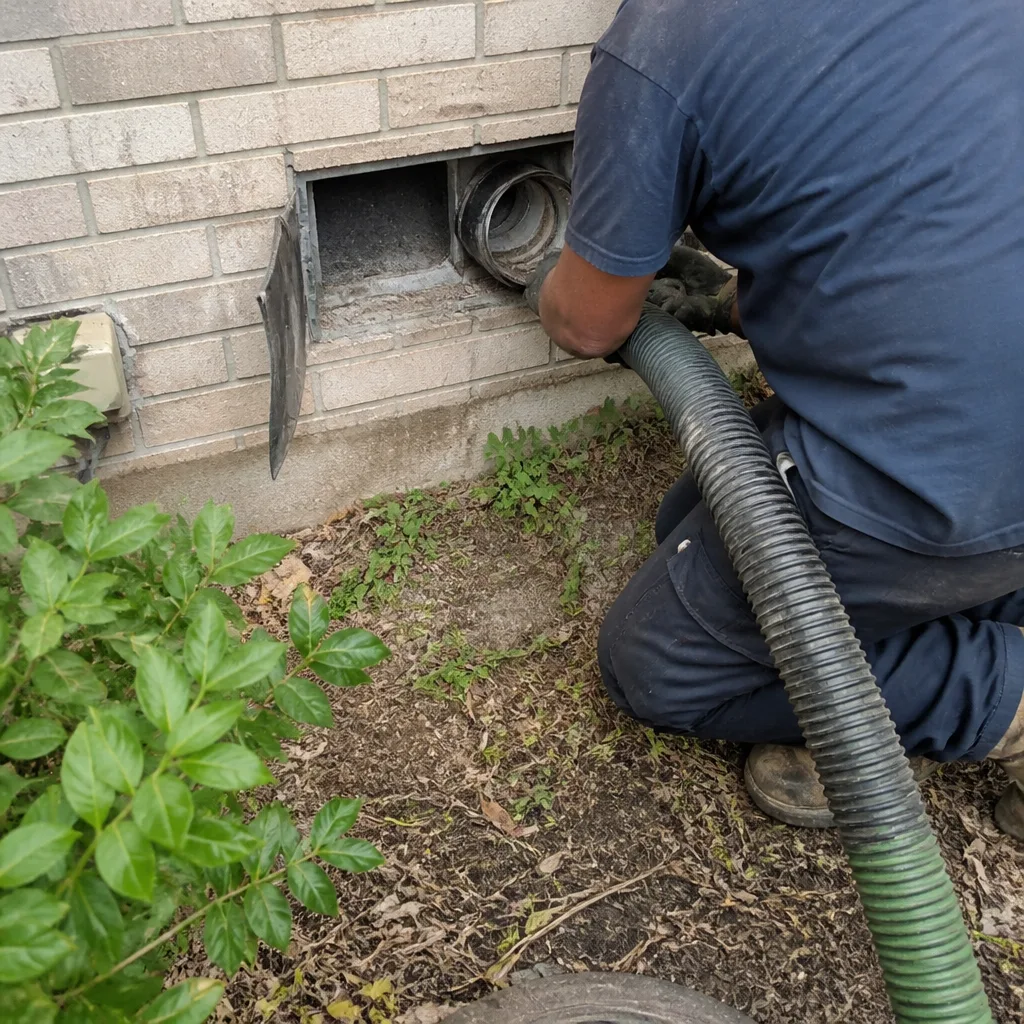
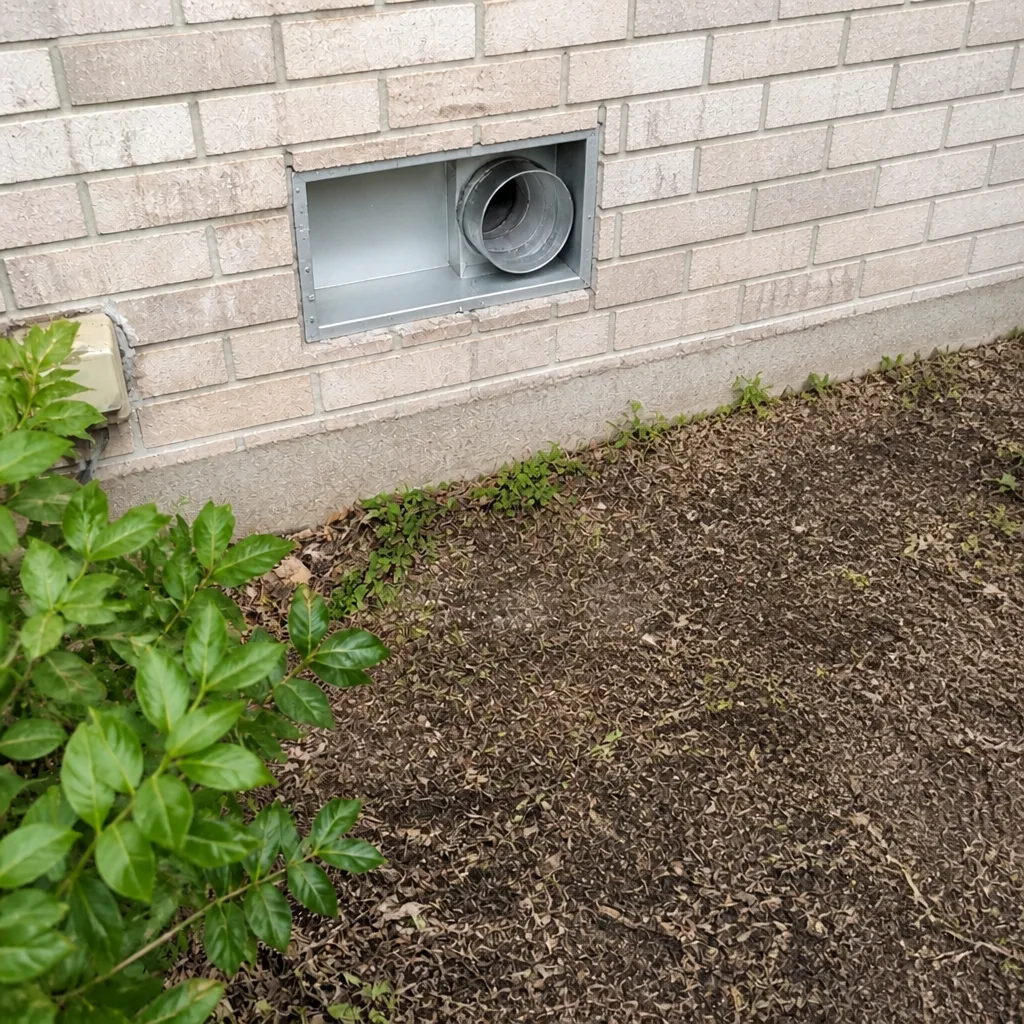
Whole-system duct and dryer vent check with before-and-after photos - you see exactly what came out of your vents
That "$99 whole-house special" is a bait ad - the real number appears once they are in your hallway, or the "clean" is a shop-vac at the register. We photograph the inside of your ducts before and after instead.
Air Duct Cleaning Cost Breakdown: The Oak Cliff Homeowner’s Reference for 2026
The national average for air duct cleaning is cited as $300 – $500, but that figure is built on scope assumptions that rarely apply to Oak Cliff’s older housing stock, larger home footprints, or systems that haven’t been serviced in years. Most of the confusion around duct cleaning pricing comes from comparing a $99 coupon to a $1,200 full-system quote as if they’re the same job with a markup. They’re not. They’re different scopes of work entirely – different equipment, different time, different outcomes. In this guide we break down what actually drives the price in Oak Cliff homes, what a legitimate full-system quote should include, and how to line up two quotes side by side so you’re comparing equivalent work instead of just bottom-line totals.
Quick Answer
Air duct cleaning in Oak Cliff typically runs $350 to $700 for a standard single-system home, with larger or more complex systems landing between $700 and $1,200. The price is driven by duct count, accessibility, system condition, and whether you’re buying surface vacuuming or contact cleaning of the full air pathway. A written, line-item estimate should set the final price per system before any work begins.
Styles & brands we work with
- Whole-home duct cleaning
- Dryer vent cleaning
- Camera inspection
- Sanitizing & deodorizing
Table of Contents
- Why Oak Cliff Home Ducts Cost What They Do
- Cost Driver #1: Home Size and Duct Count
- Cost Driver #2: Access Difficulty in Oak Cliff Attics
- What “Full System” Should Actually Include
- Legitimate Add-Ons vs. Upsells
- How to Compare Quotes Correctly
- The Line-Item Cost Framework
- Common Mistakes to Avoid
Why Oak Cliff Home Ducts Cost What They Do
Oak Cliff’s housing stock is the single biggest reason generic national pricing falls apart here. Most of the neighborhood’s residential inventory was built between the 1950s and the 1980s – ranch-style brick homes, pier-and-beam construction in places like Winnetka Heights, and dense mid-century subdivisions through Kiestwood and Wynnewood. These homes were built with original ductwork that has, in many cases, been modified, extended, and patched over decades. The duct system you’re pricing today is rarely the duct system the house shipped with.
Contrast that with a new build in a DFW suburb, where ducts are typically flex runs in a clean, well-labeled attic with one central return. Those jobs are fast, predictable, and cheap. An Oak Cliff home with a converted attic addition, a relocated air handler, and three return drops across a pier-and-beam crawlspace is a different animal. The labor reflects the access, not the square footage alone.
There’s also the condition factor. Homes that haven’t had duct service in ten, fifteen, or twenty years carry heavier contamination loads – construction debris from past renovations, dust that’s compacted to the walls, and in some cases biological growth in the coil compartment. That heavier load requires more passes with a rotary contact tool and more negative-pressure containment time. It’s not a “quick vacuum” job.
The other thing most pricing pages skip: what you’re actually buying. A $99 offer is a surface pass with a shop vac and a brush. A full-system clean with professional air duct cleaning equipment – rotary contact cleaners, HEPA extraction, and negative-air containment – is a fundamentally different service. The pricing gap is the scope gap.
Cost Driver #1: Home Size and Duct Count
Duct count, not square footage, is the real number that matters. A 1,500-square-foot home with eight supply registers and one return is a smaller job than a 1,400-square-foot home with fourteen registers and three returns. Oak Cliff’s mix of original construction and renovated floor plans means duct counts vary wildly across similar-size homes. This is why any quote that prices by square footage alone is a red flag.
A useful framework for thinking about cost by duct count:
- Small system (up to 8 registers, 1 return): typically $350 – $500 in an Oak Cliff home of modest footprint
- Standard system (9 – 14 registers, 1 – 2 returns): typically $500 – $700
- Large system (15+ registers, 2 – 3 returns): typically $700 – $1,200
- Multi-system homes (two air handlers): typically $1,000 – $1,800, priced per system
Those ranges assume standard attic access and typical condition. A home with a bathroom addition or a rear extension brings extra runs, extra boots, and extra time. A home with a finished attic or a converted garage adds access complications. Any quote you get should be built from an actual count of registers and returns, walked on site – not estimated over the phone from a zip code.
One practical note: homes in Oak Cliff’s older subdivisions frequently have flex duct runs added in later decades to reach new rooms, which means the system you’re cleaning may have two or three duct materials in play (original sheet metal, mid-century flex, newer flex). Mixed material systems take longer because each material needs a different contact tool and pressure setting.
Cost Driver #2: Access Difficulty in Oak Cliff Attics
Access is the second-biggest driver, and it’s the one homeowners most often underestimate. In Oak Cliff, air handlers are almost always in the attic, and attic access varies enormously from home to home.
What adds labor on an Oak Cliff job:
- Attic runs. Most Oak Cliff systems run flex duct through the attic. Accessible attics with a clear path add minimal time; low-pitch attics with limited decking or a tight hatch add real labor.
- Crawlspace returns. Many pier-and-beam homes in Oak Cliff have return runs in the crawlspace below. Crews working in a 24-inch crawlspace take longer than crews standing upright – that’s a real line item in the estimate.
- Chase and wall cavities. Vertical return chases running from a first-floor return up to an attic air handler are common in two-story remodels. Accessing them without cutting drywall is a skill that requires the right tools.
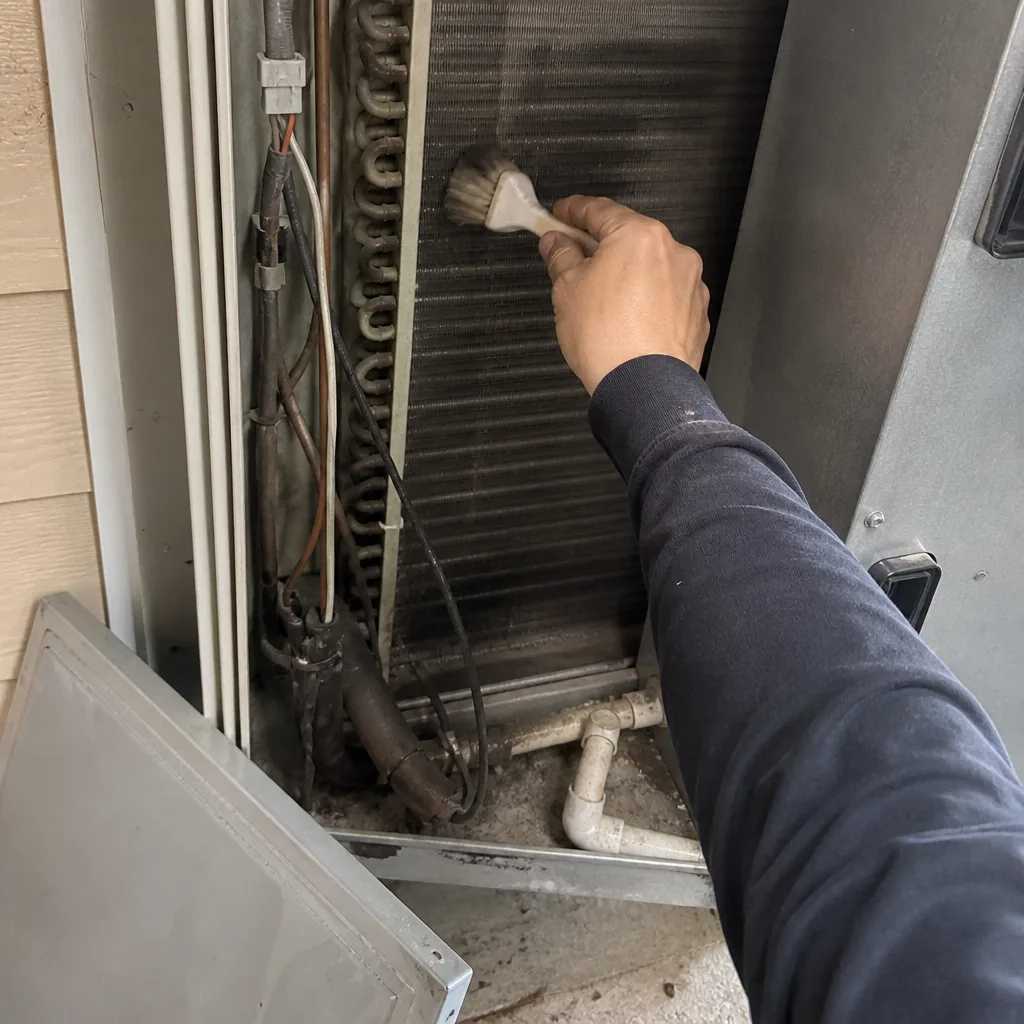
- Coil and air handler compartment access. Some installations bury the coil behind the plenum. Accessing it to clean properly requires disassembly, and that adds time.
The reason access matters so much is that our standard is contact cleaning, not just vacuuming. The Rotobrush rotary system has to physically reach every duct wall to do its job, which means the crew has to open every register boot, thread the rotary tool through every run, and stay on it long enough to actually agitate and extract. A vacuum-only job can be done with a hose at the boot. Contact cleaning cannot. Any quote that doesn’t account for access is a quote that isn’t planning to do contact cleaning.
Containment matters too. Professional jobs use Abatement Technologies negative-air equipment to keep dislodged debris out of the living space during cleaning. That setup takes time to install correctly, and it’s the difference between a job you can occupy and a job that leaves dust settling on the furniture for a week.
What “Full System” Should Actually Include
“Full system” is a phrase that gets stretched to mean almost anything in this trade. Here’s what it should mean, at minimum, on any quote you receive:
- Air handler compartment. The blower cabinet itself – not just the ducts – cleaned of dust and debris.
- Coil area. The evaporator coil compartment inspected and cleaned (or flagged for a separate coil cleaning if the condition requires it).
- Every supply run. All supply ducts from plenum to boot, cleaned by contact agitation not just vacuum pass.
- Every return run. All return ducts and the return plenum itself, including any crawlspace or wall chase returns.
- Register boots. The metal or plastic boot at each outlet cleaned, not just the grille face.
- Register and return grille cleaning. Face grilles pulled down, cleaned, and reinstalled.
- Negative-pressure containment during the entire job. Abatement Technologies negative-air tooling or equivalent, set up before the first contact tool touches a duct.
- HEPA extraction. Nikro HEPA-rated vacuum equipment to capture the debris the contact tool dislodges.
If a quote omits the air handler compartment, the coil area, or the boots, it isn’t a full-system quote regardless of what the line item says. If it doesn’t mention containment or HEPA filtration, it’s a vacuum job, not a contact clean. Ask the estimator to walk through each of the eight items above and tell you whether they’re included, optional, or excluded. A straight answer to that question tells you more than the total on the bottom of the page.
Legitimate Add-Ons vs. Upsells
Not every add-on is a sales pitch, but not every add-on is necessary either. Here’s how to sort them.
Legitimate add-ons worth pricing separately:
- Duct repair and sealing. If the crew finds disconnected runs, torn flex, or joints held together with tape that’s failed, sealing those leaks is a real efficiency fix. Untreated leaks undercut everything the HVAC system is trying to do, and left alone they push dust back into the air. Sealing is a legitimate scope expansion, not an upsell.
- Sanitizing (when contamination is confirmed). If biological growth, rodent activity, or persistent musty odor has been identified on inspection, a sanitizing treatment applied after the clean is a real step. Sanitizing a system that doesn’t need it does nothing except add a line item.
- Whole-home air quality integration. If your home already has an Aprilaire or Honeywell filtration or humidification accessory, cleaning around it properly is part of the job. If you’re considering adding one, work with a company that knows those systems – recommendations should be specific, not generic.
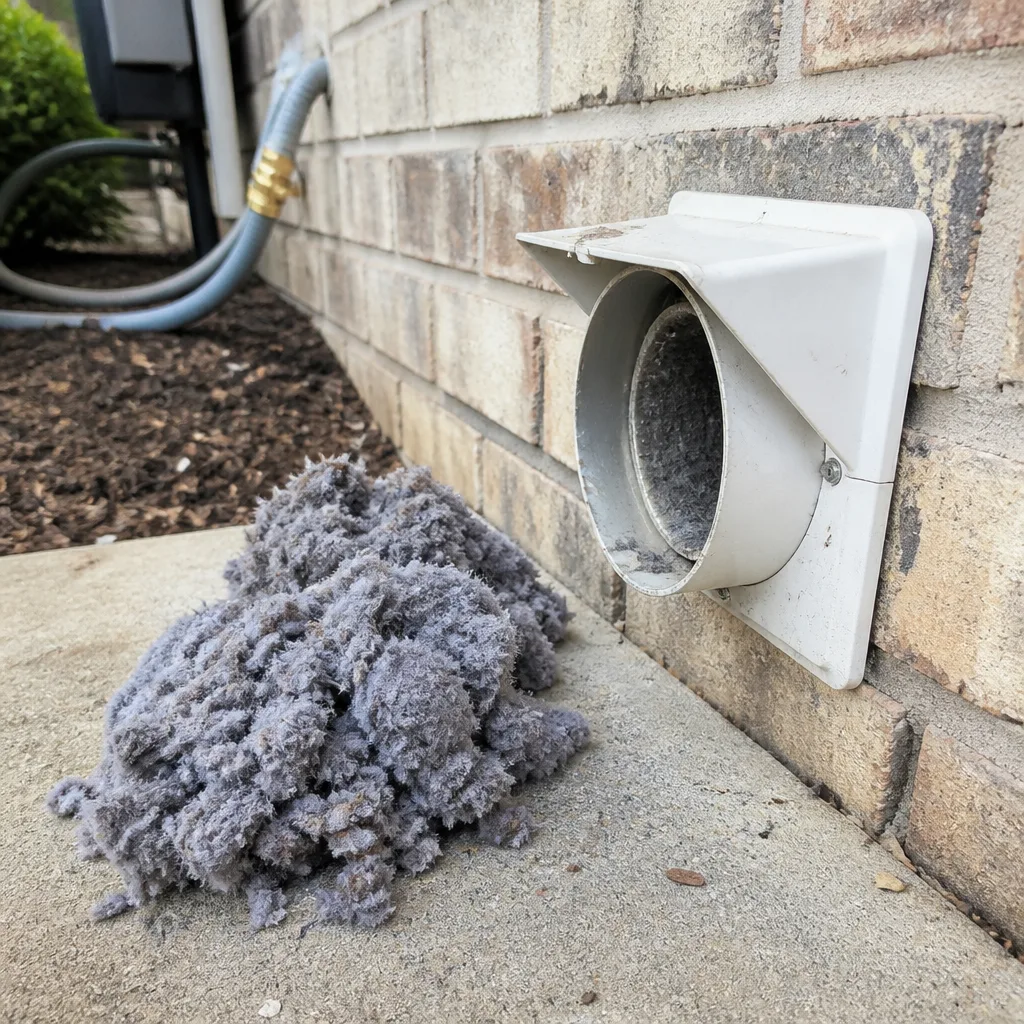
- Dryer vent cleaning. This is worth pricing alongside duct work, and it’s a fire-risk service most duct-only companies don’t offer. A dryer vent that hasn’t been cleaned in years is a clogged lint pathway behind a heat source. Clean it while the crew is already set up.
Add-ons that are often unnecessary:
- UV light installations sold on every job regardless of confirmed need
- “Anti-microbial fogging” on systems with no confirmed contamination
- Enzyme treatments presented as a required step
- Repeated visits scheduled before the first clean has even happened
If an add-on is being recommended, the recommendation should come with a specific reason grounded in something the technician saw. “We recommend it for every home” is not a reason.
How to Compare Quotes Correctly
Two quotes are only comparable if they cover the same scope. A $400 quote and an $1,100 quote might be for entirely different jobs – or they might be for the same job with one padded and one stripped. The only way to know is to line up the scopes side by side.
Steps for comparison:
- Get both quotes in writing. If an estimator won’t put the scope in writing, move on. A written estimate is the set price, and a verbal “probably around” is not.
- Confirm your actual duct count. Walk your home and count supply registers and return grilles. This is the number both quotes should be built on. If one quote assumes fewer than you have, it will grow on site.
- Check whether both include the air handler and coil area. If one quote covers only the ducts and the other covers the full air pathway, you’re comparing apples and oranges.
- Ask what equipment will be used. Ask directly whether they use rotary contact equipment and what kind of vacuum. A professional will name their equipment without hesitation – brands like Rotobrush and Nikro are a signal you can verify. An answer that dances around the question is an answer.
- Ask whether containment is used. “Do you set up negative pressure during the job?” is the single most useful question a homeowner can ask. A crew that dislodges debris without containment is pushing contaminants into the home.
- Ask about repair and sealing. If the crew finds a broken duct, is the fix part of their scope or do you have to schedule someone else? The company that can diagnose and fix the leak is worth more than the one that can only clean around it.
- Ask whether photos are provided. Before-and-after photos of your own ducts are the difference between a promise and a record. A crew that does the work will be happy to show it.
- Confirm the price is per system, flat, and set before work begins. No per-vent pricing, no teaser coupon that grows once the equipment is out. One flat price per system, agreed upfront, is the standard.
Do that side-by-side and the “cheap” quote usually reveals itself for what it is, and the “expensive” quote usually explains exactly why. The price difference almost always comes down to equipment, containment, scope, and access time – and those are exactly the things most coupon offers quietly skip.
The Line-Item Cost Framework
Here’s how a properly itemized Oak Cliff air duct quote typically breaks down in 2026. The ranges below are estimates for a standard single-system home with attic access. Your written estimate sets your final price.
- Base cleaning (supply and return runs, boots, grilles): typically $250 – $450
- Air handler and coil compartment cleaning: typically $75 – $175
- Additional registers beyond 14: typically $15 – $30 each
- Additional returns beyond one: typically $40 – $80 each
- Crawlspace or difficult-access return: typically $50 – $150
- Second air handler (multi-system home): typically $250 – $450
- Duct repair and sealing (when needed): typically $150 – $600 depending on scope
- Sanitizing treatment (when contamination is confirmed): typically $100 – $250
- Dryer vent cleaning (add-on): typically $100 – $250
Totaled honestly, a mid-size Oak Cliff home with a single system typically lands in the $500 – $700 range, and larger or more complicated homes land between $700 and $1,200. Those are real ranges for real scope. A $99 offer isn’t a discount on this work – it’s a different service, and often one where the “add-ons” arrive in the middle of a job at inflated prices once the equipment is already set up in your attic.
This is also where a company that does the full scope matters. Our technicians use professional-grade Rotobrush rotary contact cleaning on every duct job and Nikro HEPA extraction throughout, and they set up containment before the first tool goes in. That equipment takes time to run correctly. It’s the difference between a cleaning that lasts and a cleaning you’ll need again in eighteen months. And when the crew finds a leak, the same visit can include HVAC cleaning and repair rather than another scheduled trip.
Common Mistakes to Avoid
- Choosing a quote before confirming scope. A low number without a written scope is not a quote – it’s an opener. Ask for the scope in writing before you compare anything else.
- Assuming “square footage” is a fair price basis. Duct count and access drive Oak Cliff pricing, not floor area. A 1,400-square-foot home with fourteen registers is a bigger job than a 1,700-square-foot home with ten.
- Skipping the crawlspace. In Oak Cliff’s pier-and-beam homes, return ducts are commonly in the crawlspace. If a quote doesn’t include a line for crawlspace returns, ask why – it may mean they plan to skip them.
- Accepting per-vent pricing. Per-vent pricing helps the crew close a low headline number and then add vents on site. Flat price per system is the safer structure.
- Not asking about containment. Cleaning without negative-pressure containment dislodges debris into the living space, which is exactly the problem you hired the crew to fix. Ask directly, and expect a straight answer.
- Buying sanitization without evidence. Sanitizing is a real service when contamination is confirmed by the crew. If the add-on appears on every quote regardless of what the system looks like, that’s a sign the recommendation isn’t driven by your system.
- Forgetting the dryer vent. The lint pathway behind the dryer is one of the most common fire risks in a home. If it’s been years since your dryer vent was cleaned, ask the crew to look at it while they’re already set up. Professional dryer vent cleaning is inexpensive next to the cost of a fire.
When to Call a Professional
Some signs mean call now, others mean call the next time you’re doing HVAC work anyway. Call now if you’re seeing visible dust blow out of a register when the system kicks on, if the supply vents have dark streaks around the edges, if the house smells musty every time the AC starts, if you’ve had a renovation without covering the registers, or if you’ve had pests in the attic. Call now if a room stays noticeably warmer or cooler than the rest of the house and you’ve ruled out the thermostat and filter. Call now if anyone in the home has worsening allergies or asthma symptoms that seem tied to being inside. In all of those cases, cleaning – and likely a duct inspection for leaks – is the place to start. Air Duct Cleaning Oak Cliff offers free estimates in Oak Cliff. Call (855) 337-2058. We answer 24/7. Fast dispatch from 7am to 7pm, Sunday through Friday.
See the difference
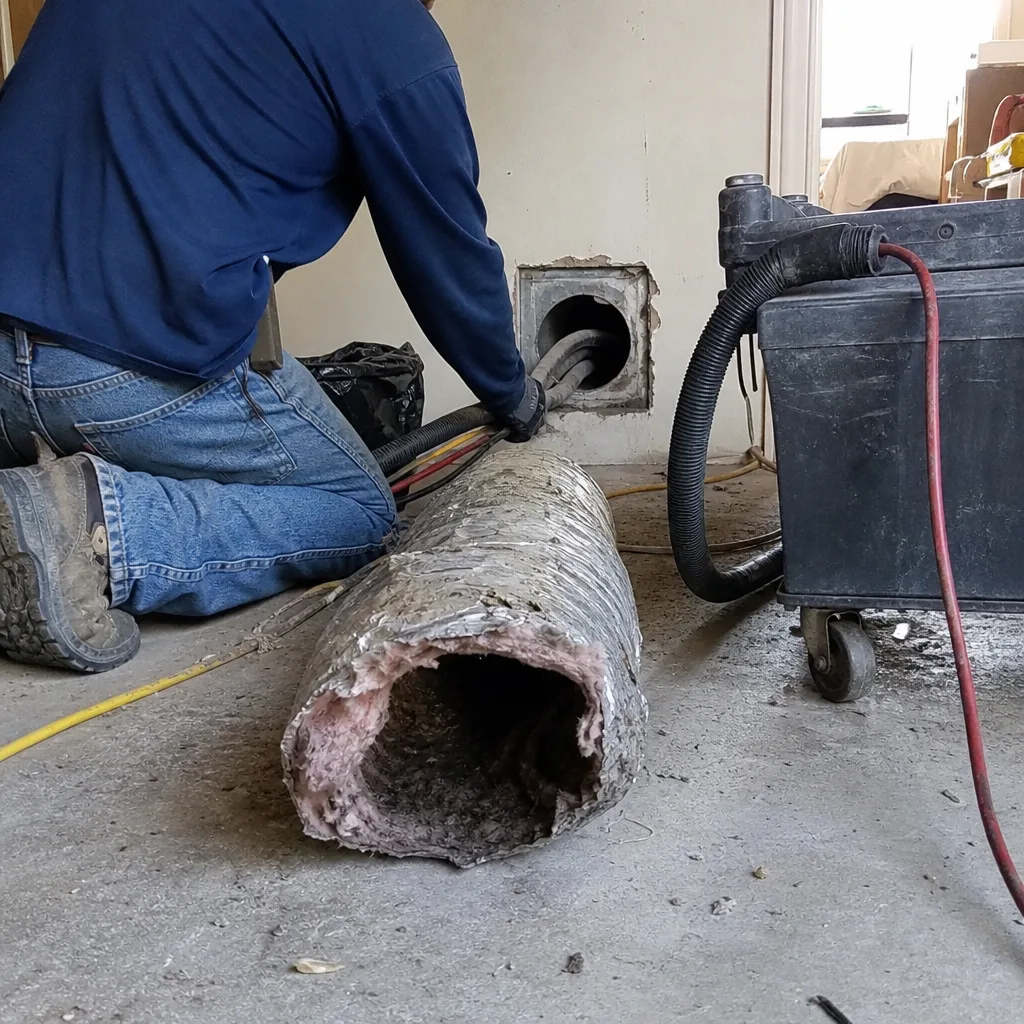 Before
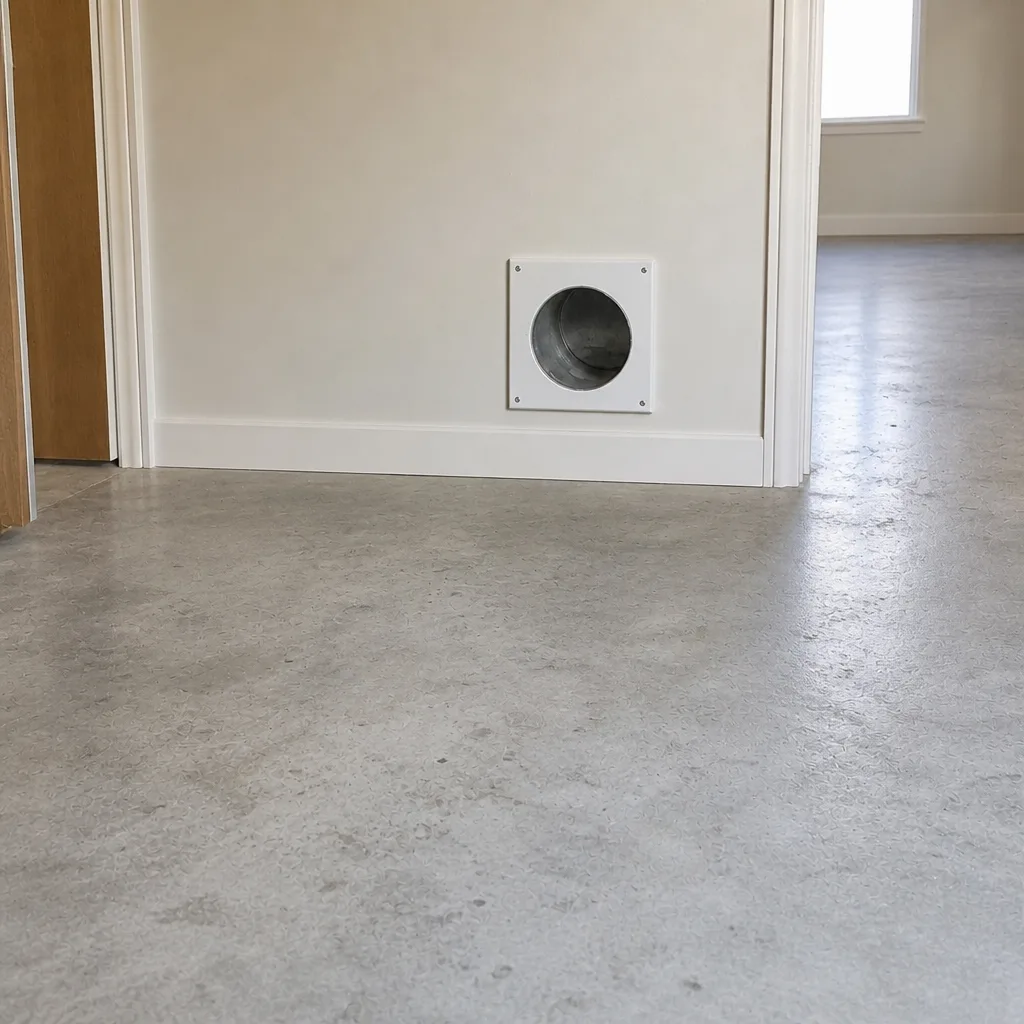 After
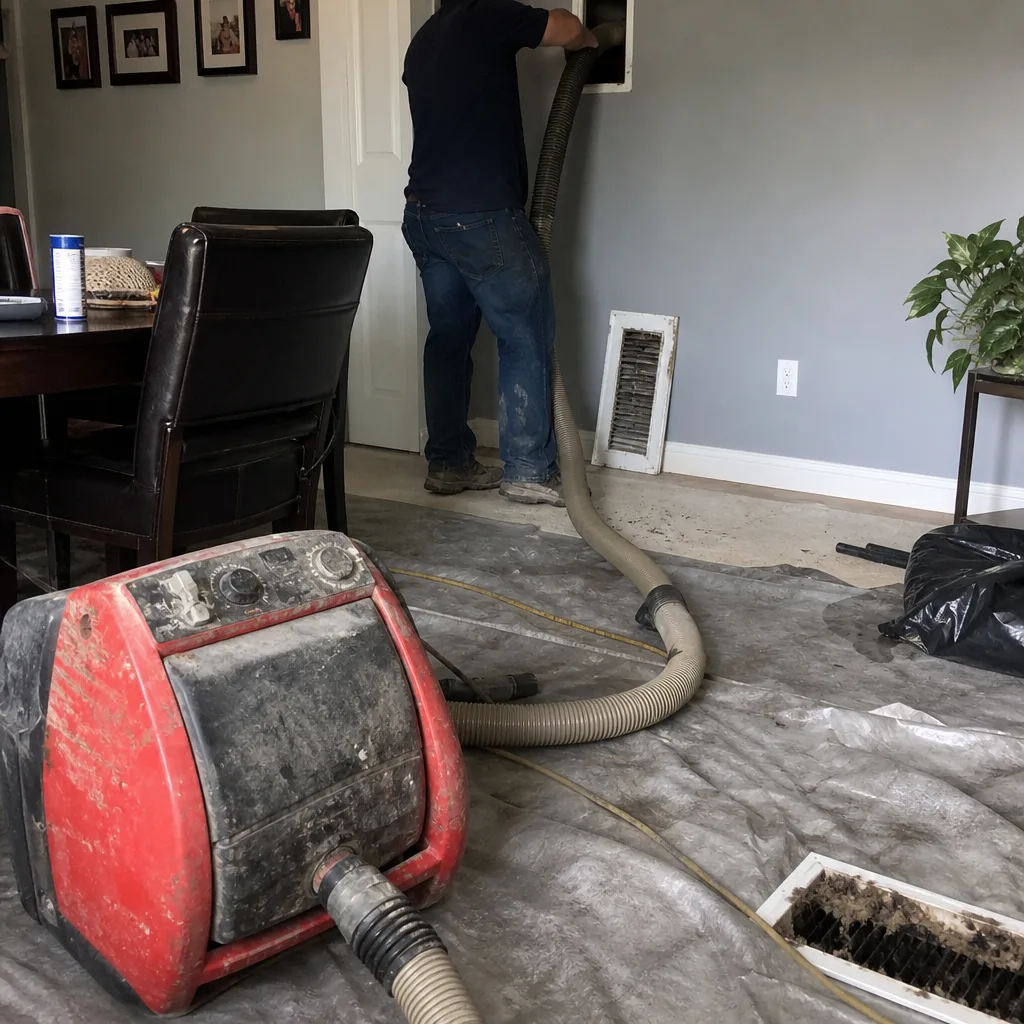 Before
 After
 Before
 After
Frequently Asked Questions
Air duct cleaning in Oak Cliff typically costs $350 to $700 for a standard single-system home with attic access, and $700 to $1,200 for larger or more complex systems. Homes with crawlspace returns, additional air handlers, or heavy contamination land at the higher end. The written estimate sets your final price per system. Call (855) 337-2058 for an exact quote – estimates are free.
Cheap quotes are almost always for a different service. A $99 offer typically means a surface vacuum at the boots with no contact cleaning of the duct walls, no air handler cleaning, no coil compartment, and no negative-pressure containment. It’s a real service, but it’s not the full-system clean our Oak Cliff quote describes. Compare the itemized scope rather than the total to see the real difference. If you want an apples-to-apples comparison, call (855) 337-2058.
You should see before-and-after photos of your own ducts – not stock photos – from the crew that did the work. Beyond photos, a proper job includes pulling the register grilles to expose the boots, and the boots should visibly be cleaner when the crew finishes. If neither photos nor an on-site walkthrough is part of the job, that’s worth questioning before the crew arrives. Call (855) 337-2058 if you’d like to see what our documentation looks like.
For most Oak Cliff homes with a routine filter change schedule, every three to five years is a reasonable interval. Homes with pets, recent renovations, allergy or asthma sensitivities, or pest history tend to need it sooner. Homes with severe contamination loads or duct leaks should be inspected more frequently until the leak is fixed – otherwise dust keeps entering the system from the attic. Call (855) 337-2058 to talk through a schedule for your home.
Usually yes. Older Oak Cliff homes almost always have more complicated access – pier-and-beam crawlspaces, mixed duct materials from decades of renovation, and air handlers tucked into tight attic spots – and those access points drive labor time more than square footage does. A newer build with a clean, single-material flex system in an accessible attic is usually faster and less expensive. Call (855) 337-2058 for a written estimate based on an on-site walk.
Yes, when the crew actually finds leaking joints or disconnected runs. Sealed ducts keep conditioned air inside the system where it belongs, which improves efficiency and reduces dust intake from the attic or crawlspace. If your ducts are tight, sealing adds cost without benefit. The right call is to seal what the inspection finds, not to bundle it in as a default. Call (855) 337-2058 if you’d like the inspection included with the estimate.
Yes. Dryer vent cleaning is one of our five service lines, and it’s worth scheduling alongside duct work – the crew is already set up, and the lint path behind the dryer is a fire risk that gets ignored until something goes wrong. Combustible lint accumulation is one of the more preventable household fire hazards. Call (855) 337-2058 to add it to your estimate.
The Bottom Line
The price of air duct cleaning in Oak Cliff comes down to scope, not marketing. A $99 offer and a $1,200 full-system quote are different services, and once you compare them line by line the difference is usually easy to explain: contact cleaning vs. vacuum passes, air handler and coil cleaning vs. ducts only, containment vs. no containment, crawlspace returns included vs. omitted. Duct count and access drive Oak Cliff pricing more than square footage. Legitimate add-ons – duct repair and sealing, sanitizing when contamination is confirmed, dryer vent cleaning, whole-home filtration integration – are worth pricing separately. Everything else is optional. Get the scope in writing, confirm what’s included, and expect one flat price per system set before work begins.
Contact
If you’d like a written, line-item estimate for your Oak Cliff home, we start with a walk of your system – register count, access, coil condition, and any leaks in the runs – and give you a flat per-system price before any equipment comes out of the truck. Air Duct Cleaning Oak Cliff covers the full scope, from air duct cleaning Oak Cliff to dryer vent cleaning, HVAC cleaning, and duct repair and sealing. Call (855) 337-2058 for a free estimate. We answer 24/7. Fast dispatch from 7am to 7pm, Sunday through Friday.
Written by the team at Air Duct Cleaning Oak Cliff.