
Last updated November 23, 2026
 Whole-home duct cleaning
 Dryer vent cleaning
 Camera inspection
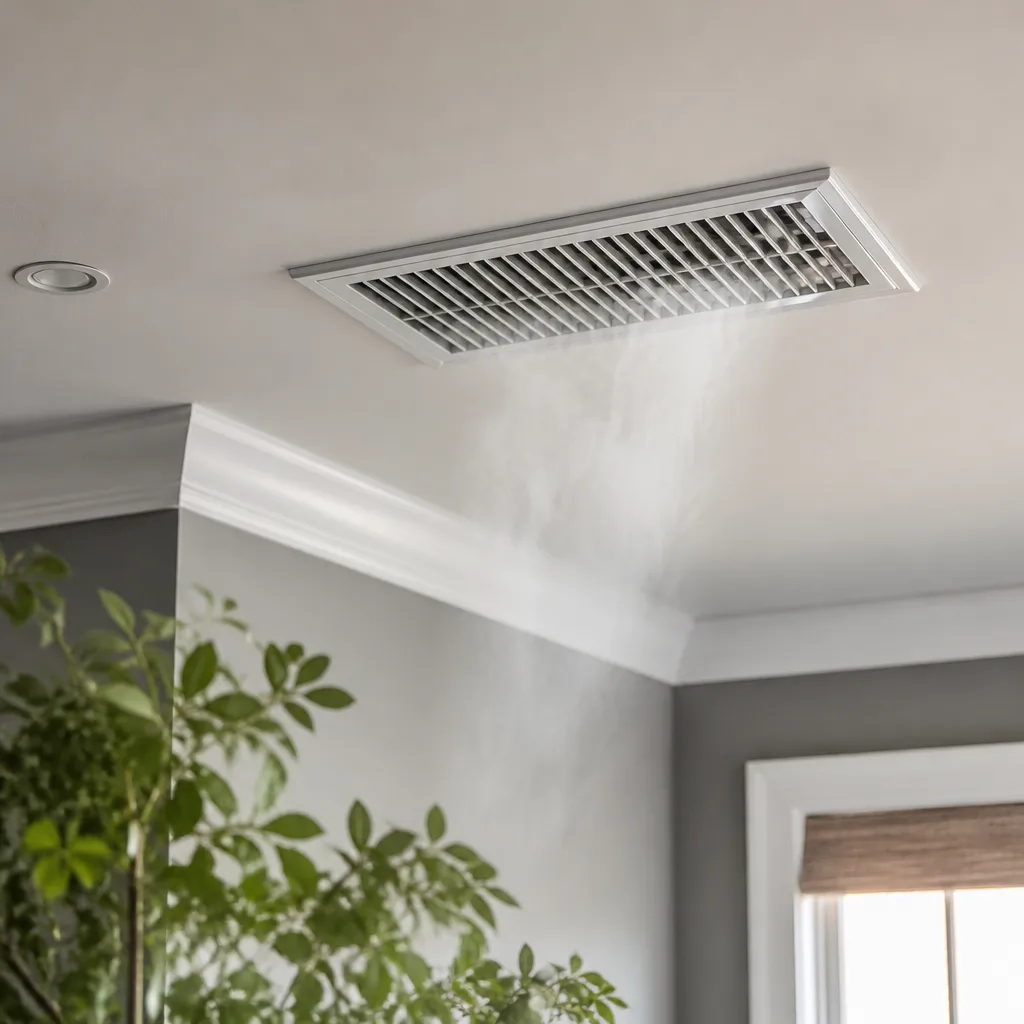 Sanitizing & deodorizing
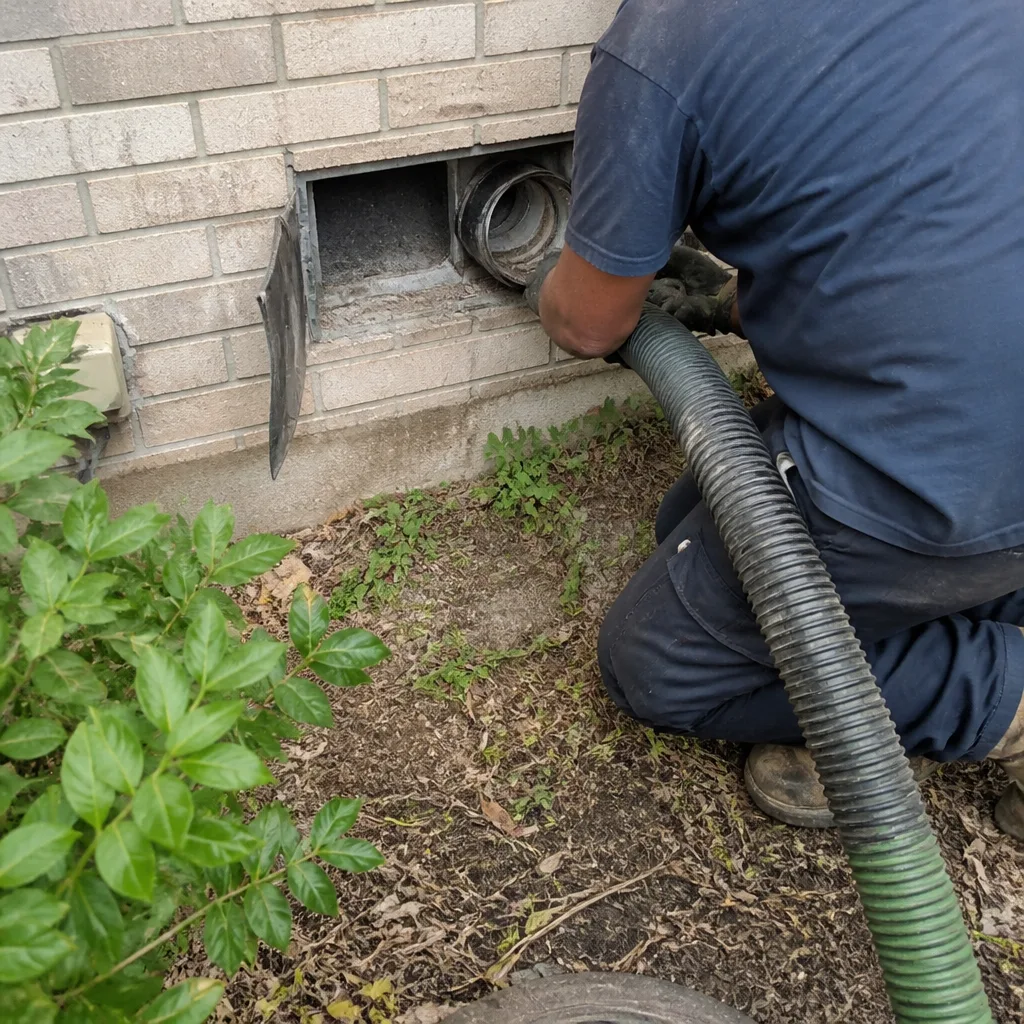
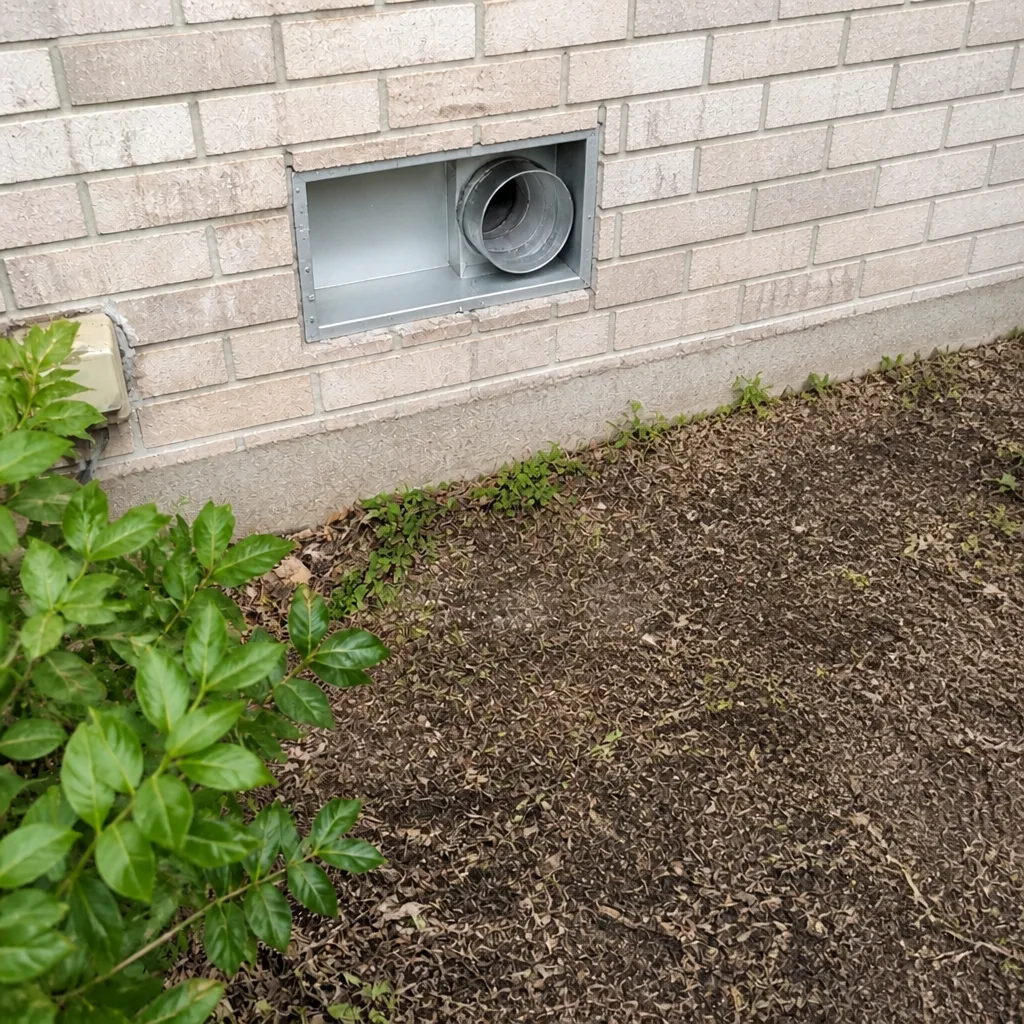
Whole-system duct and dryer vent check with before-and-after photos - you see exactly what came out of your vents
That "$99 whole-house special" is a bait ad - the real number appears once they are in your hallway, or the "clean" is a shop-vac at the register. We photograph the inside of your ducts before and after instead.
DIY vs Professional Air Duct Cleaning: The Oak Cliff Homeowner’s Decision Guide
Most advice about duct cleaning picks a side before it explains anything. Either every system needs a professional every year, or a shop vac and an afternoon will do. Both are wrong, and the reason is mechanical rather than commercial. A homeowner can genuinely clean a supply grille, vacuum an accessible boot, and swap a filter. What a homeowner cannot do is create the negative-pressure containment that stops loosened debris from settling back into the rooms it came from. That single gap explains most DIY disappointments we hear about in Oak Cliff. This guide draws the line honestly: what you can do yourself, when DIY is the right call, when it makes things worse, and how to tell the difference before you start.
Quick Answer
DIY air duct cleaning works for surface-level tasks: grille cleaning, accessible boot vacuuming, filter changes, and visual inspection. Professional cleaning is the right call when the problem is inside the duct runs themselves, when there’s mold or rodent evidence, or when the ductwork is insulation-lined and sheds fibers when disturbed. If you’re unsure which category you’re in, a visual inspection is the cheapest first step. Call (855) 337-2058 for a free estimate if you’d rather have a technician look first.
Styles & brands we work with
- Whole-home duct cleaning
- Dryer vent cleaning
- Camera inspection
- Sanitizing & deodorizing
Table of Contents
- What You Can Realistically Do Yourself
- The Physics of Negative Pressure Containment
- When DIY Is the Right Call in Oak Cliff
- When DIY Makes the Problem Worse
- What Professional Equipment Actually Does
- What to Do Between Professional Cleanings
- How to Think About Cost and Value
- A Step-by-Step Decision Framework
What You Can Realistically Do Yourself
Start with what’s actually achievable. A homeowner with a shop vac, a screwdriver, and a filter can accomplish four legitimate tasks, and none of them require special training. These are the tasks worth doing before you decide whether to call anyone.
- Grille cleaning. Remove the supply and return grilles with a screwdriver, wash them in a tub or with a hose, dry them fully, and reinstall. This is the single most visible improvement most homeowners can make, and it takes under an hour for a typical Oak Cliff house.
- Accessible boot vacuuming. The boot is the short section between the duct run and the floor or ceiling register. A crevice tool on a shop vac can reach the first several inches. Don’t force the tool past the point where the boot meets the main run; you’ll damage the joint.
- Filter replacement. A clean filter is the most effective single step in any system. Check the filter monthly during cooling season, when Oak Cliff’s long warm stretch means the system runs hard and loads the filter fast.
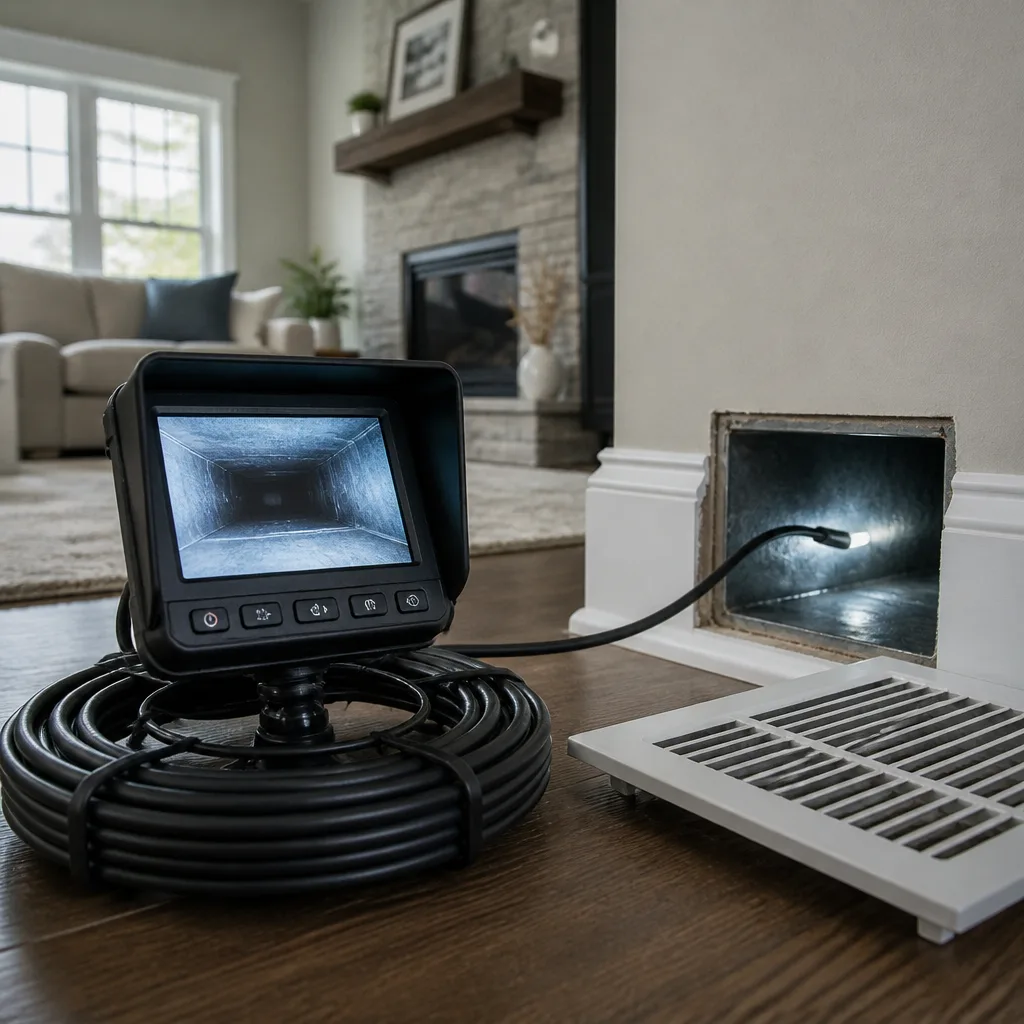
- Visual inspection. A flashlight and a phone camera can show you what’s inside a register boot. Look for dust matting, dark staining (possible moisture), rodent droppings, and insulation fibers. What you see determines whether DIY is enough.
What you cannot do yourself is clean the interior walls of the duct runs beyond the first accessible section. On a typical Oak Cliff home, that leaves the majority of the duct system untouched. The grille looks clean; the run behind it does not.
The Physics of Negative Pressure Containment
Here’s the technical core of the DIY-versus-professional question. Professional duct cleaning operates under controlled negative pressure, typically in the range of -0.02 to -0.05 inches of water column (in. WC), maintained throughout the job. That pressure differential does one specific thing: it keeps the air in the work zone flowing toward the vacuum rather than out into the living space. When a rotating brush or air whip loosens debris inside a duct run, that debris has to go somewhere. Under negative pressure, it goes to the HEPA-filtered collection unit. Without it, it goes into the room.
Think of it this way: a shop vac at a register creates local suction, not system-wide containment. The moment you push a brush or compressed air past the register, you’re dislodging debris in a space where the pressure is still whatever the house is at. Some of it comes back down the boot toward you. Some of it drifts into the room. Some of it settles in another run. You’ve moved the problem rather than removed it.
Containment is the whole difference. This is why professional setups use equipment like Abatement Technologies negative-air tools: to establish and hold that pressure envelope before any agitation begins. It’s also why we run Air Duct Cleaning Oak Cliff as a full-system operation rather than a one-task vacuum service. The physics doesn’t care how thorough you are with a shop vac; it only cares whether the pressure is on your side.
When DIY Is the Right Call in Oak Cliff
Be honest about the scenarios where DIY genuinely solves the problem. These are common, and calling a professional for any of them would be overkill. If your issue matches one of these, save the money.
- A single-room odor. If a musty smell comes from one register and nowhere else, the cause is usually local: a damp boot, a debris pile in the first accessible section, or a blocked return. Clean the grille, vacuum the boot, and recheck. If the smell persists after two weeks, that’s a different signal.
- Post-remodel debris at one register. Drywall dust, sawdust, and construction grit often land in the nearest register during a renovation. If the rest of the house is fine, clean that boot and grille and monitor.
- Grille cleaning before guests arrive. Dusty grilles are the most visually obvious air quality problem in most homes. A ten-minute wash makes a real difference in appearance and airflow at the supply.
- Filter swap after a dusty stretch. Oak Cliff’s dry spells and spring pollen load filters quickly. If you haven’t changed the filter in a while, do that before assuming the ducts are the problem.
- Visual inspection after a small repair. If a technician has just been in the system, a flashlight check of the nearby registers is a reasonable DIY follow-up.
The pattern: DIY is right when the problem is local, visible, and surface-level. It’s wrong when the problem is systemic, hidden, or involves anything that shouldn’t be disturbed by hand.
When DIY Makes the Problem Worse
Some duct conditions don’t just resist DIY cleaning, they actively get worse when a homeowner disturbs them. If you see any of the following, stop and call a professional. This is the safety and quality line, and it’s firm.
- Visible mold inside the ductwork. Disturbing mold without containment spreads spores through the entire system and into the rooms. Mold remediation requires controlled extraction, not agitation. Professional cleaning in this case includes the sanitary side of the job, and we won’t clean a mold-laden run without addressing the moisture source.
- Rodent evidence. Droppings, nesting material, or chewed duct liner mean the system has been compromised. Rodent-contaminated debris carries real health risk when disturbed. This is a containment situation, not a shop vac situation.
- Insulation-lined ductwork. Many older Oak Cliff homes have interior duct liner or wrap that sheds fibers when disturbed. Running a brush or air hose through it liberates those fibers into the airstream. If you don’t know whether your ducts are lined, find out before you start poking around.
- Flexible duct with damaged inner liner. Flexible duct has an inner liner that tears easily. A homeowner pushing a shop vac tool through it can create a tear that then traps debris and reduces airflow. Repair costs more than cleaning.
- Any duct run you can’t see well. If the run goes behind a soffit or through a chase you can’t inspect, you’re working blind. Blind cleaning is where the “moved the problem rather than removed it” outcome happens.
If any of these describe your system, a professional assessment is the cheaper path. Call (855) 337-2058 for a free estimate before you touch anything.
What Professional Equipment Actually Does
Understand what you’re paying for, and the decision gets clearer. Professional duct cleaning isn’t a bigger shop vac. It’s a different class of tool doing a different kind of work.
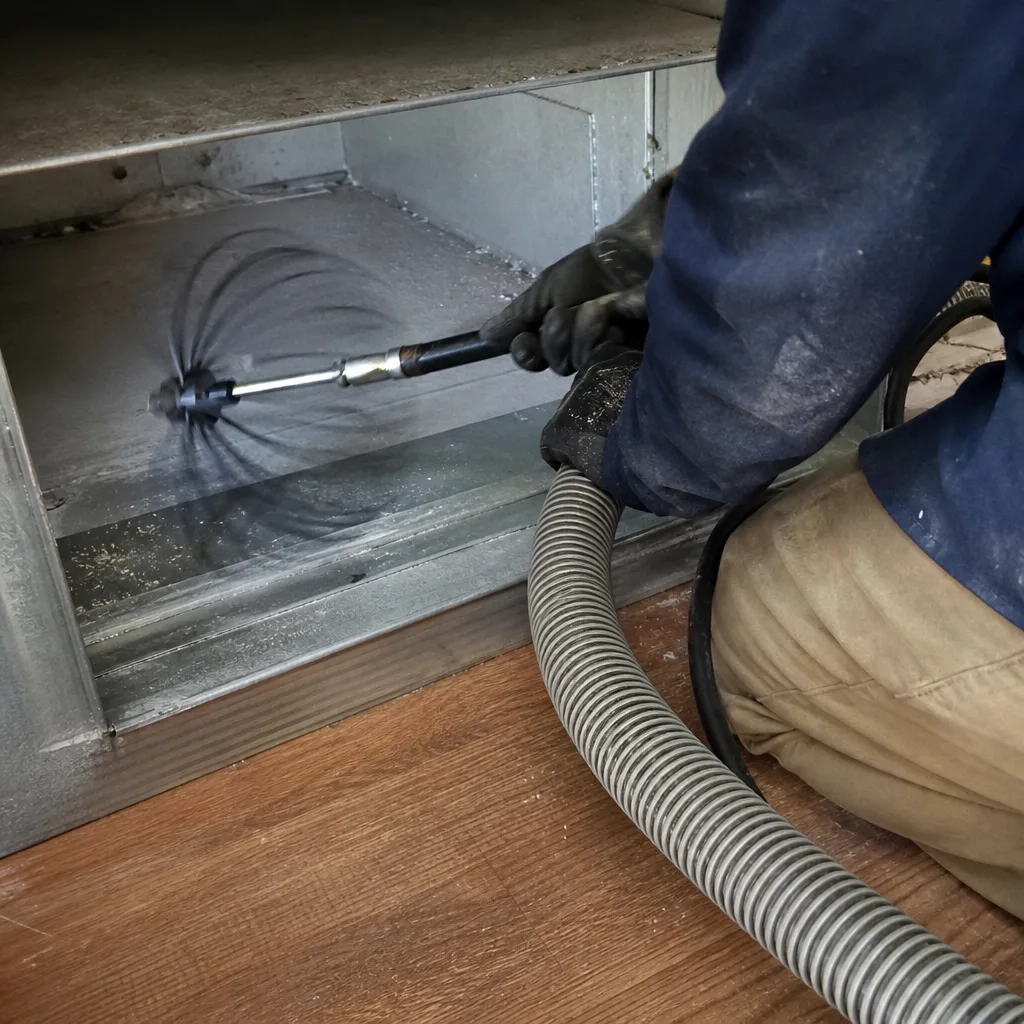
We use the Rotobrush rotary contact-cleaning system on every duct job. The key word is contact: the rotary brush physically scrubs the duct walls, agitating debris that a vacuum alone would leave stuck to the surface. Vacuum extraction then removes what’s been loosened. The brush and the vacuum work together under the containment we’ve established.
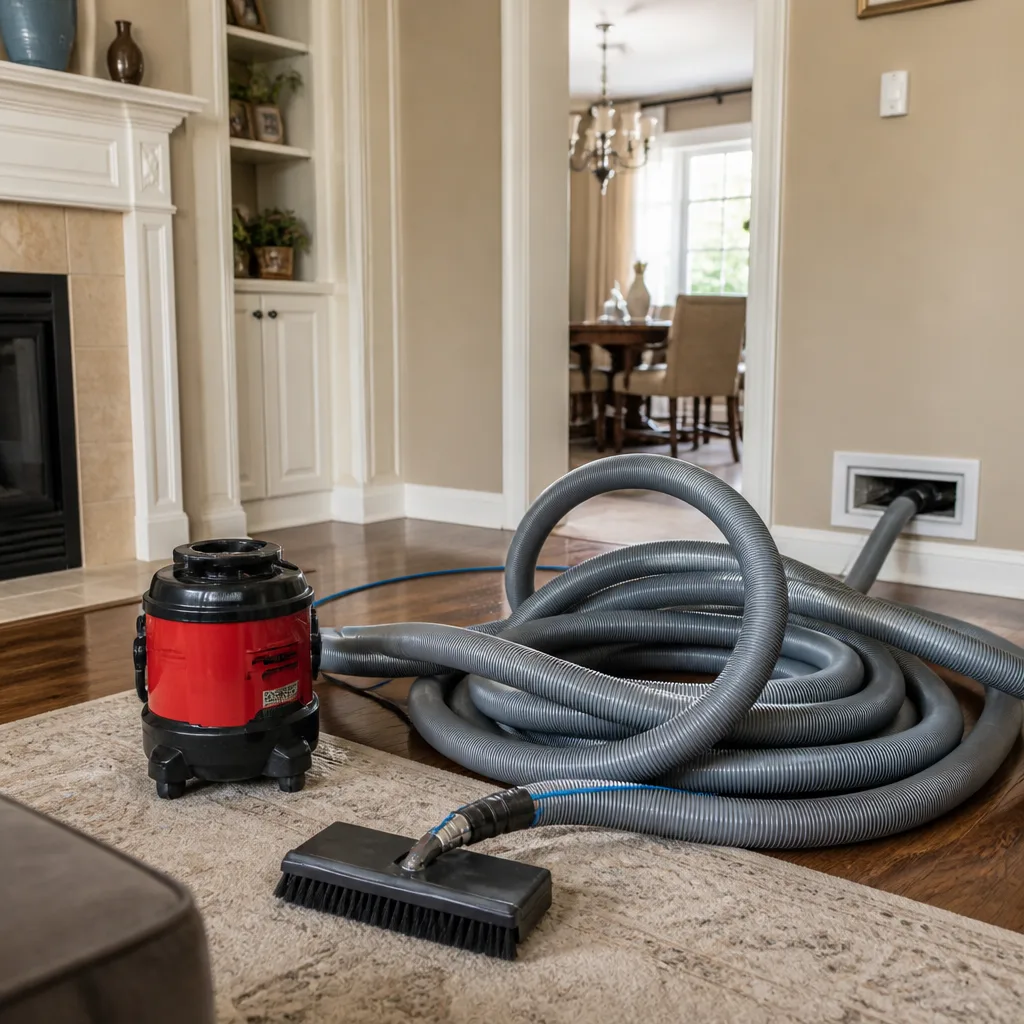
Extraction runs on Nikro HEPA-rated vacuum equipment, which captures debris at a fine enough level to keep it out of the airstream. A shop vac’s filter media is not rated to the same standard and, more importantly, is running without a pressure envelope around the work area. The HEPA filtration is the second half of a two-part system; containment is the first.
Air quality accessories are often where professional scope extends beyond cleaning. Compatibility with HVAC cleaning and whole-home air quality equipment from Aprilaire and Honeywell means filtration and humidification recommendations can fit the system you actually have, rather than being bolted on afterward.
What to Do Between Professional Cleanings to Slow Recontamination
Whatever you decide about DIY versus professional, the work between cleanings determines how fast the system gets dirty again. These tasks are all within reach for any Oak Cliff homeowner, and none requires special equipment.
- Change the filter on schedule. Monthly during heavy cooling, and whenever it looks grey rather than white. A clogged filter is the most common cause of perceived poor air quality.
- Clean the grilles every few months. The supply and return grilles catch dust before it enters the room. Washing them is cheap and visible.
- Seal obvious leaks. If you can feel air escaping at a supply boot or a return collar, that leak is pulling unfiltered air from inside the wall or attic. Foil tape on accessible joints is a reasonable homeowner fix. Duct Repair & Sealing is a separate professional scope for leaks you can’t reach.
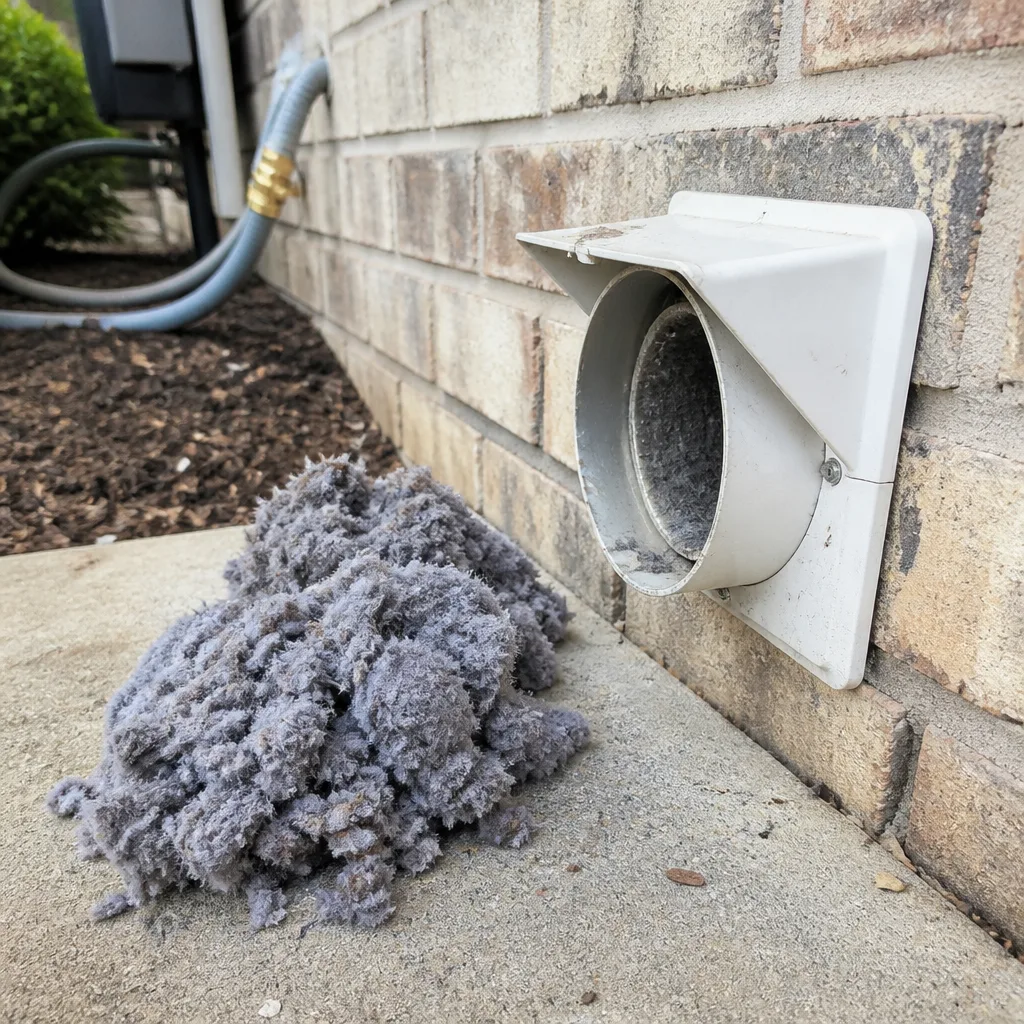
- Keep up with dryer vent cleaning. Lint accumulation in the dryer vent is a fire risk and a common source of the “hot laundry room” complaint. This is dryer vent cleaning that most duct-only outfits don’t offer, and it matters more than most homeowners realize.
- Note the house dust pattern. Track where dust settles fastest. If one room gets dark streaks on the ceiling near the register, that register is the source and it should be checked first.
These habits slow the recontamination cycle, but they don’t undo debris already inside the runs. Use them to buy time between professional visits, not to replace them indefinitely.
How to Think About Cost and Value
Duct cleaning costs vary widely, and the variation usually reveals what’s actually included. A low quote often covers a surface pass on the accessible sections with a vacuum and no containment. A professional quote covers containment, contact cleaning, extraction, and a system check. The two are not the same job, and comparing them by price alone is misleading.
Rather than quote a number that varies by house, think in terms of scope. Ask any company you consider these questions before agreeing:
- Is the price per system or per vent? Per-system pricing is honest about the work involved; per-vent pricing tempts a low-headline, high-add-on structure.
- Is negative-pressure containment used on every job? Ask the company to name the equipment.
- Does the price include a system inspection and a report on any duct leaks or damage found?
- Are there before-and-after photos of the actual work on the actual house?
- Is the written estimate issued before any work starts?
The final price is set per job by a free written estimate after a technician has seen the system. We guarantee our work, and the local pro is licensed and insured as their state requires. Call (855) 337-2058 for a free estimate.
A Step-by-Step Decision Framework
If you’re on the fence, work through these questions in order. The first one that produces a clear answer settles the decision.
- Can you see the problem? If yes, and it’s confined to a grille or an accessible boot, DIY is probably enough. Clean, inspect, and monitor for two weeks.
- Is the smell confined to one room? If yes, DIY. If it’s coming from multiple returns or follows the whole house, professional.
- Any mold, rodent, or damaged-liner evidence? If yes, stop. Professional with containment, no exceptions.
- Is the problem recurring? If you’ve cleaned the same register three times in a year and it keeps coming back, the source is downstream of the register. Professional.
- Is the whole system underperforming? Uneven room temperatures, weak airflow, and rising energy bills together usually mean the duct runs and their leaks need proper attention, including Duct Repair & Sealing.
- Is it dust on surfaces or dust on the ceiling near a register? Surface dust settles everywhere and is normal. Ceiling streaks near one register point to that register and the boot behind it.
- Are you prepping for a larger HVAC job? Clean ducts before a system replacement or a full air duct cleaning inspection so the technician can actually see what they’re working with.
Work through these once and the right answer is usually obvious. When it isn’t, that’s the point to call.
Common Mistakes to Avoid
- Vacuuming without containment on a whole-house system. A shop vac at one register pulls air from the entire house. Any debris loosened in the run has a path back into the living space. Containment before agitation, always.
- Running a brush through flex duct. Flexible duct’s inner liner tears. A homeowner with good intentions can create a tear that then traps debris and reduces airflow permanently.
- Assuming a clean grille means a clean duct. Most of the duct volume is behind the boot and out of reach. The grille is the easiest part to clean and the least diagnostic.
- Skipping the inspection when a low bid is tempting. A quote that doesn’t include a system check is a cleaning, not a diagnosis. In Oak Cliff’s older housing stock, the duct leaks are often the bigger problem than the dust.
- Cleaning ducts before fixing the filter or leak that caused the dirt. If you don’t fix the source, you’ll be back at the same starting point within a season.
- Ignoring the dryer vent. Lint buildup is the leading cause of dryer-related house fires. It’s a five-minute check any homeowner can do, and a professional cleaning when it’s overdue.
- Assuming “duct cleaning” from any company includes the same scope. Ask what equipment is used and whether containment is part of the job. The answers vary more than the quotes do.
See the difference
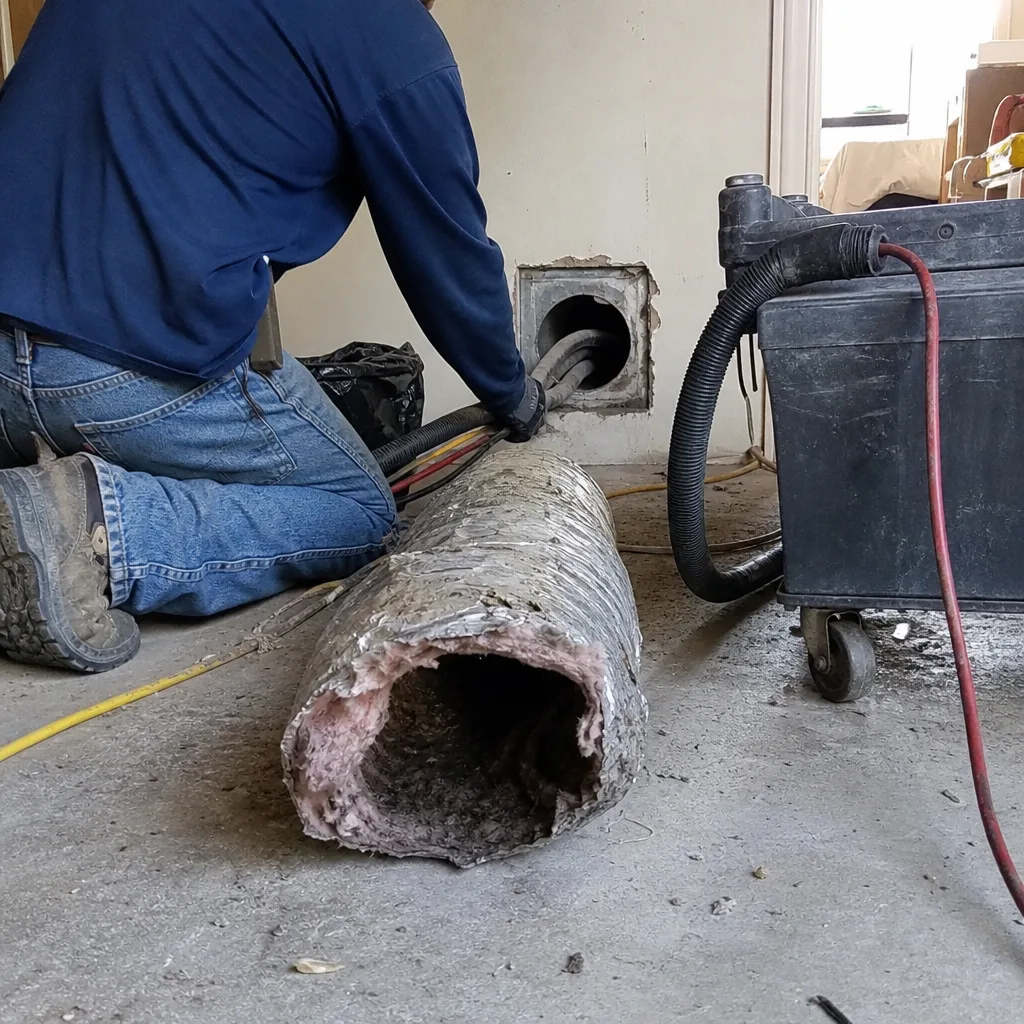 Before
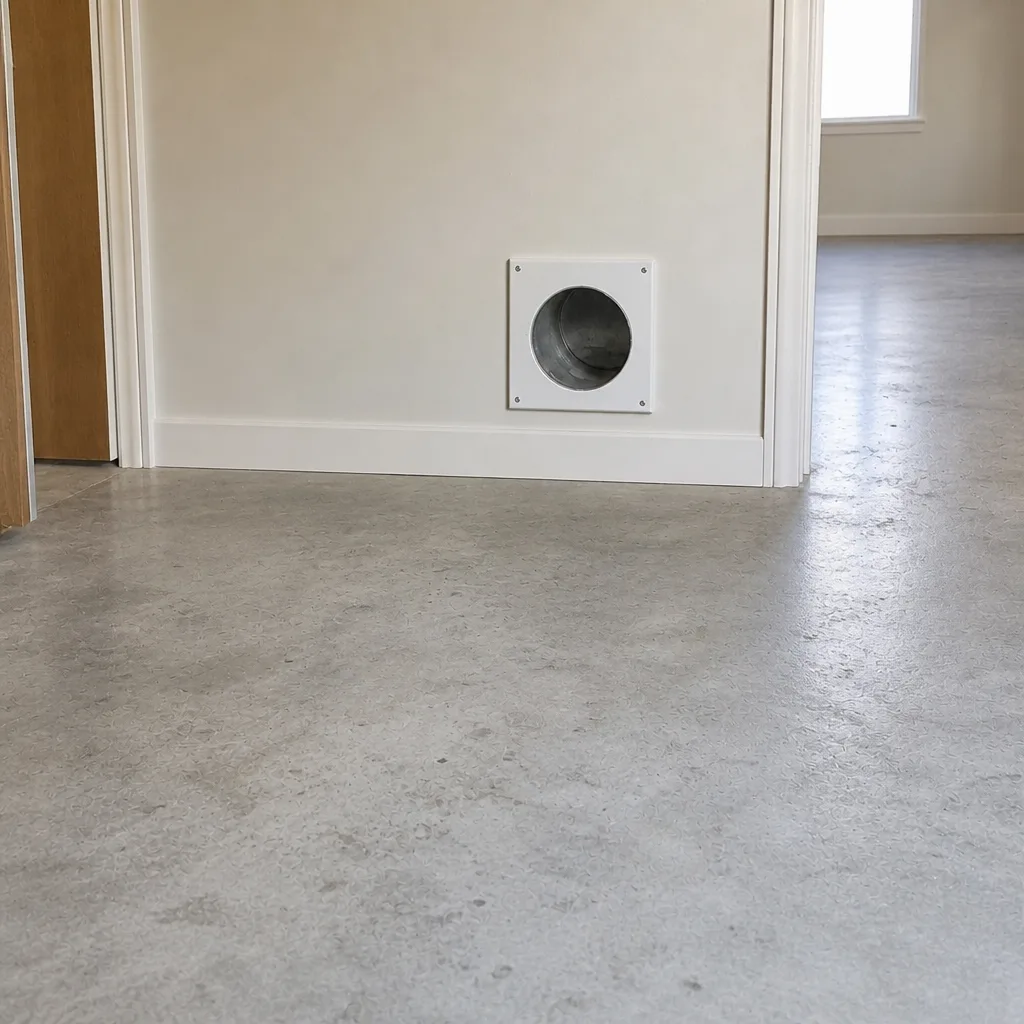 After
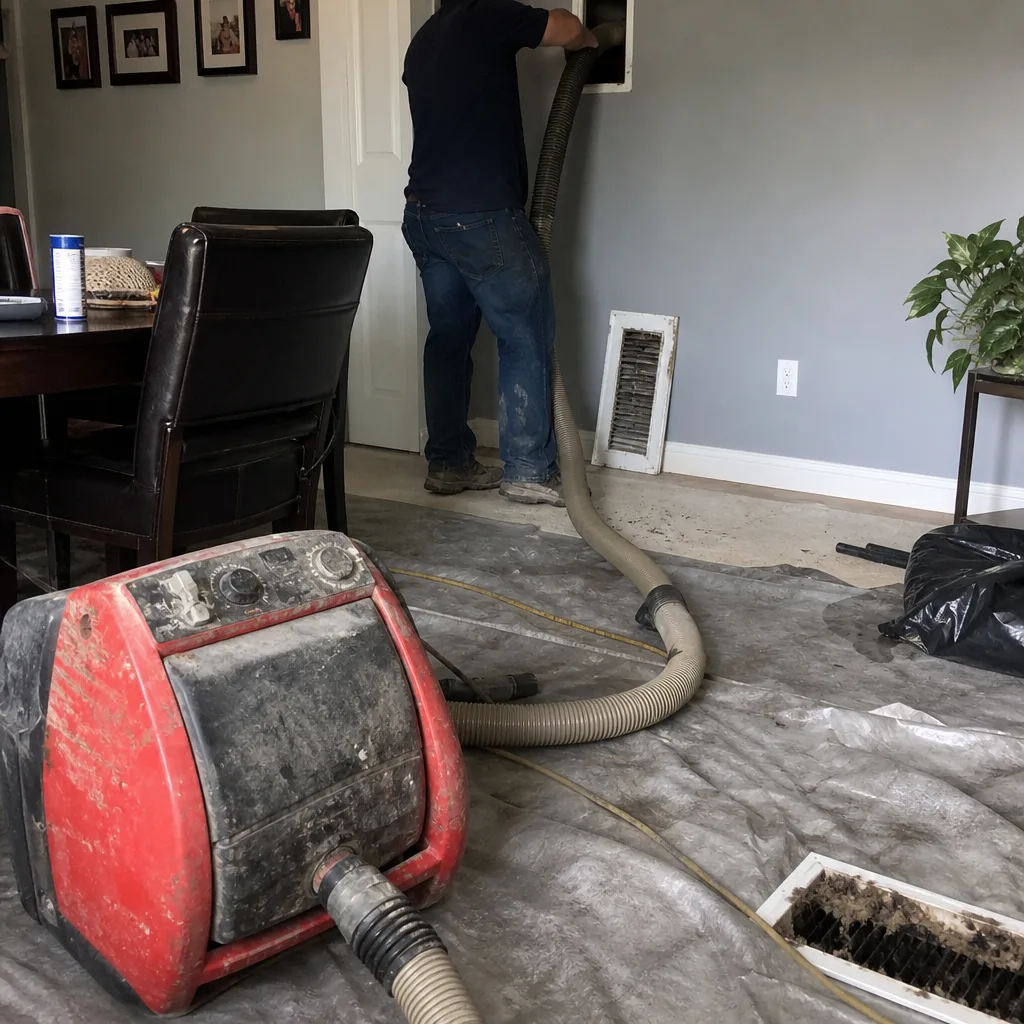 Before
 After
 Before
 After
When to Call a Professional
Call a professional if you’ve found mold or rodent evidence, if the ducts are insulation-lined or otherwise difficult to inspect, if the same register keeps coming back dirty, if the whole system underperforms on airflow or energy use, or if you simply want a clear answer on what’s actually inside your duct runs before you spend more time on DIY. A free estimate gives you that answer with no obligation. Air Duct Cleaning Oak Cliff offers free estimates in Oak Cliff – call (855) 337-2058. We answer 24/7, and fast dispatch runs 7am to 7pm, Sunday through Friday. Our technicians have up to 9 years of experience, the local pro is licensed and insured as their state requires, and the written estimate sets the price before any work starts.
Frequently Asked Questions
You can clean the grilles, the accessible boot sections, and the filters with a shop vac, and that’s genuinely worthwhile. You cannot clean the interior walls of the duct runs, because a shop vac doesn’t create negative-pressure containment, so loosened debris has a path back into the rooms. Surface tasks are DIY-friendly; the duct runs themselves are not. Call (855) 337-2058 for a free estimate if you want a clear answer on what’s in your system.
DIY duct cleaning isn’t dangerous in the way that opening an electrical panel is, but it is risky in three specific situations: visible mold, rodent evidence, and insulation-lined ductwork. In each of those, disturbing the material can spread contamination through the house rather than removing it. If you’re unsure whether your ducts are lined, that’s the point to call. Call (855) 337-2058 for a free estimate.
Look inside an accessible register boot with a flashlight. If the duct interior has a soft, fibrous surface rather than smooth metal or flex liner, it’s lined. Don’t brush or vacuum it yourself; insulation-lined ducts shed fibers when disturbed and need a professional with controlled extraction. A technician can confirm what you have in a single visit. Call (855) 337-2058 for a free estimate.
Cheap quotes usually cover less: a surface pass on the accessible sections without negative-pressure containment, no system inspection, and no report on leaks or damage. The low price isn’t necessarily dishonest, but it’s a different job from a full-system cleaning with containment and contact cleaning. Ask what equipment is used and whether containment is included. Call (855) 337-2058 for a free estimate on the full scope.
For most homes, every two to three years is a reasonable rhythm, with more frequent service after a remodel, a rodent issue, or visible mold. Homes with pets, high pollen exposure, or heavy dust loads tend to need it sooner. Between visits, filter changes and grille cleaning do most of the ongoing work. Call (855) 337-2058 for a free estimate if you’re not sure where you stand.
HVAC cleaning covers the equipment side of the air pathway: the air handler, coils, blower, and the components that condition the air. Duct cleaning covers the runs, boots, and registers. They overlap, which is why we offer both as separate named services. A whole-system approach usually means cleaning both, plus a check for leaks that Duct Repair & Sealing can address. Call (855) 337-2058 for a free estimate on the scope your house needs.
The Bottom Line
DIY air duct cleaning solves real, local, visible problems: a dusty grille, a musty boot, a clogged filter, a post-remodel mess at one register. It does not clean the duct runs themselves, because that requires containment pressure and contact agitation that a shop vac cannot produce. Call a professional for mold, rodent, or lined-duct situations, for recurring problems, and for whole-system underperformance. Between cleanings, filters, grilles, and dryer vent checks do most of the work. If you want a clear answer on where your system falls, a free estimate is the cheapest way to find out.
Ready to know what’s actually in your ducts? Call (855) 337-2058 for a free estimate. We answer 24/7. Fast dispatch from 7am to 7pm, Sunday through Friday. One flat price per system, agreed before work starts, with before-and-after photos of your own ducts and a satisfaction guarantee.
Written by the team at Air Duct Cleaning Oak Cliff.