
Last updated November 23, 2026
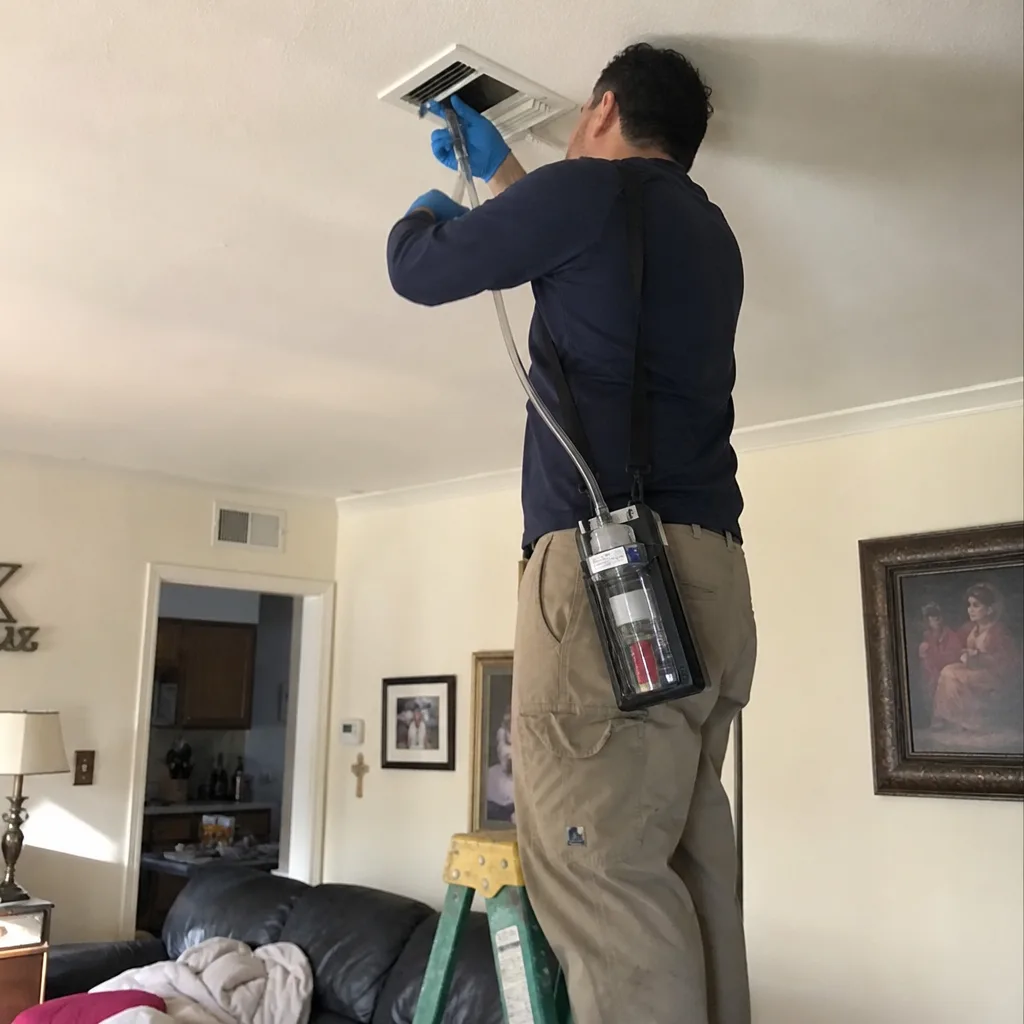
 Whole-home duct cleaning
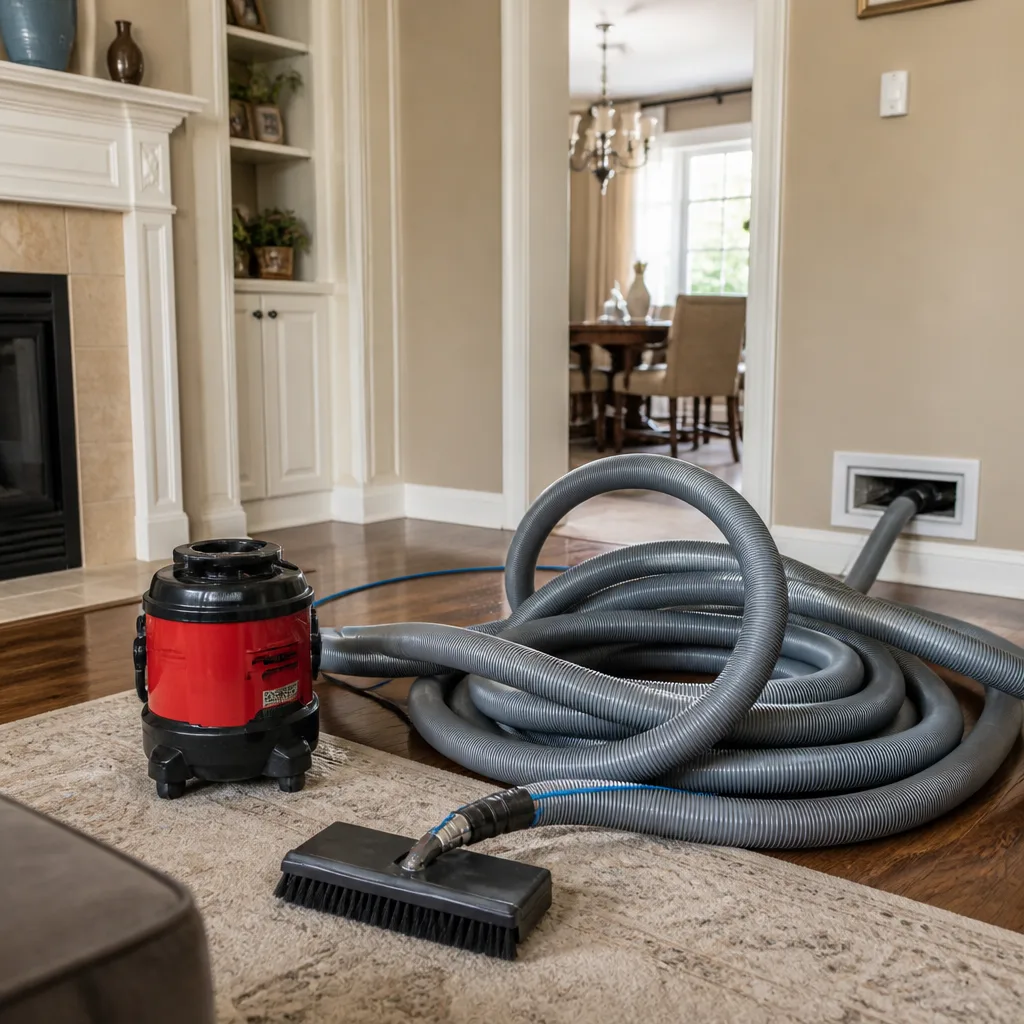
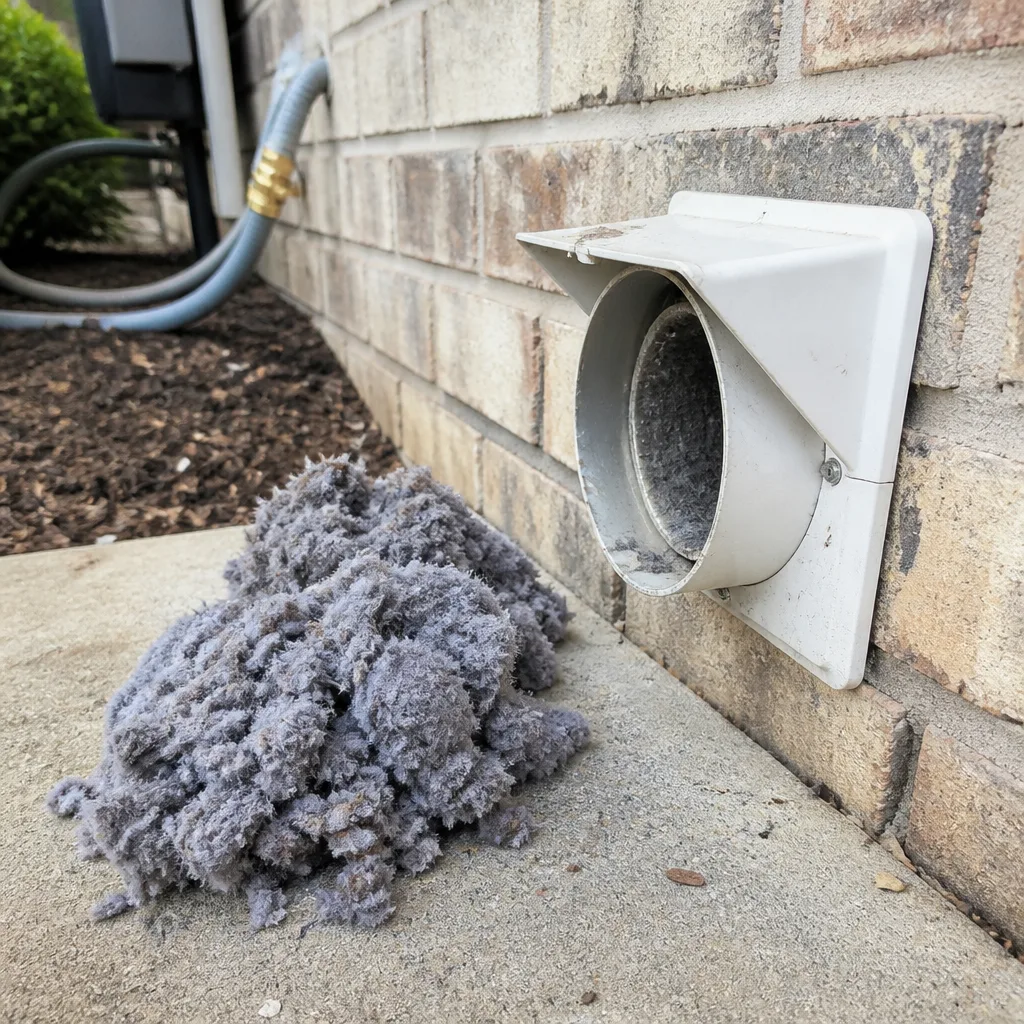 Dryer vent cleaning
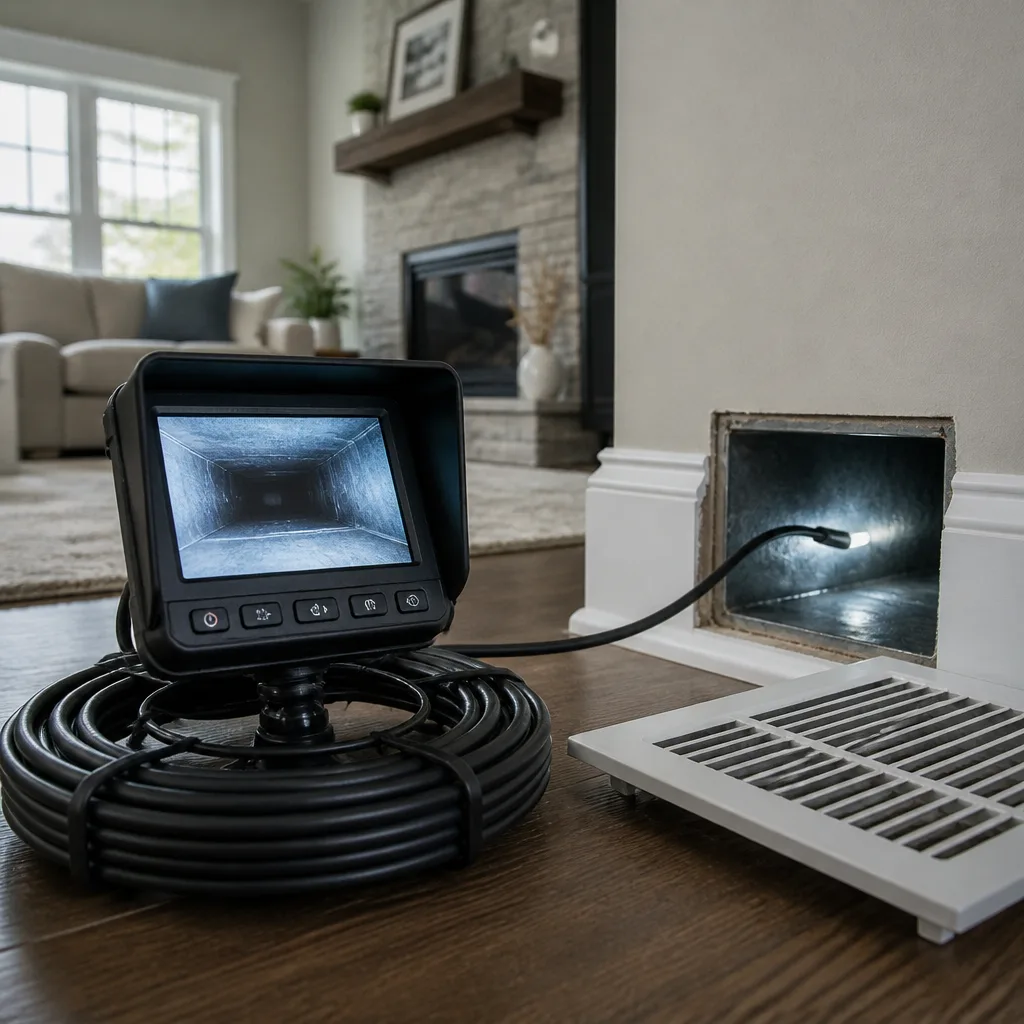 Camera inspection
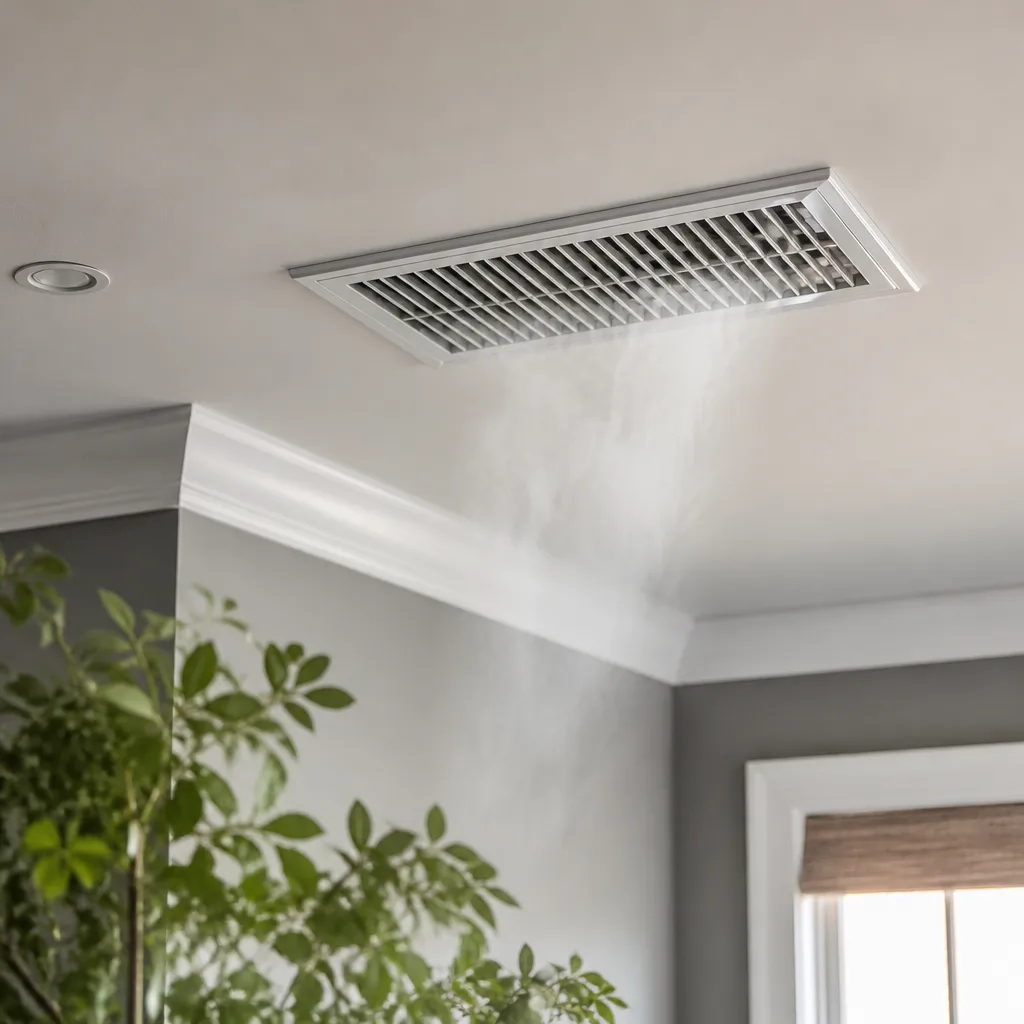 Sanitizing & deodorizing
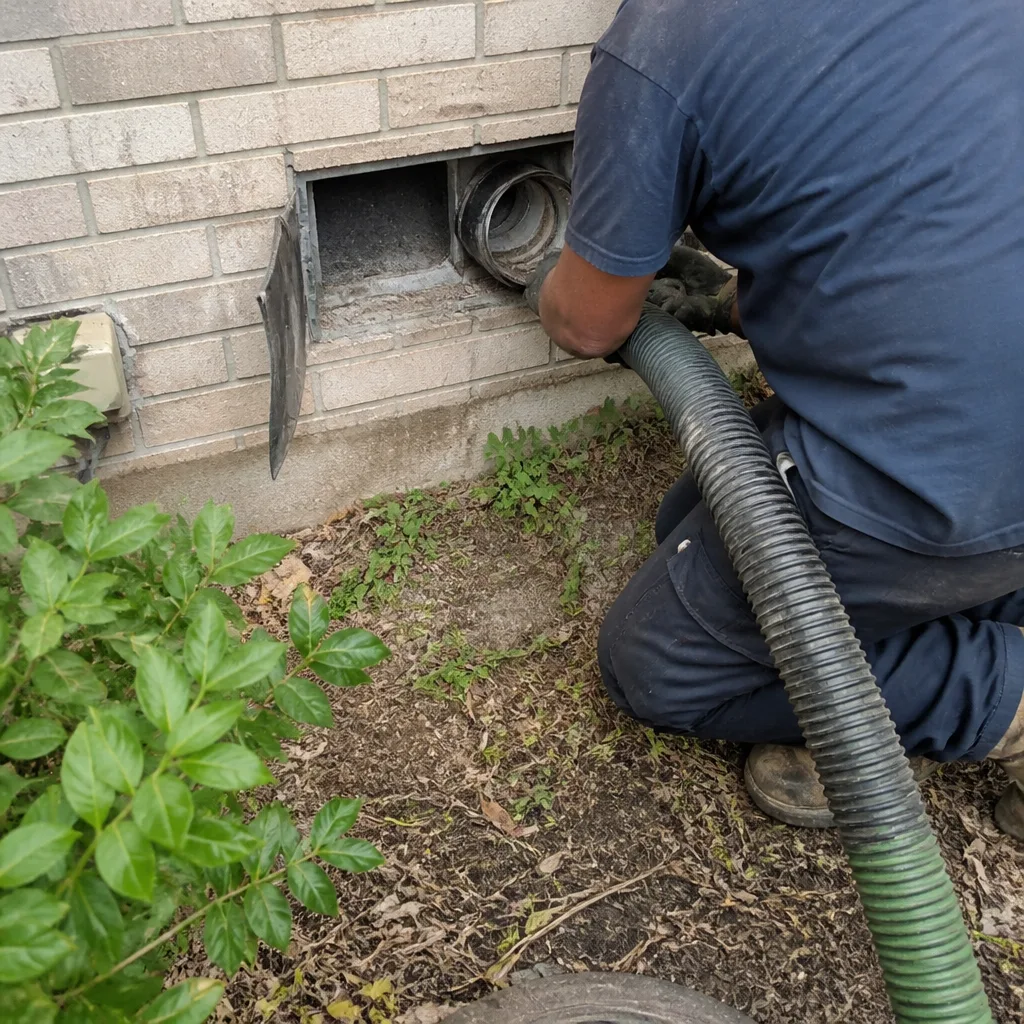
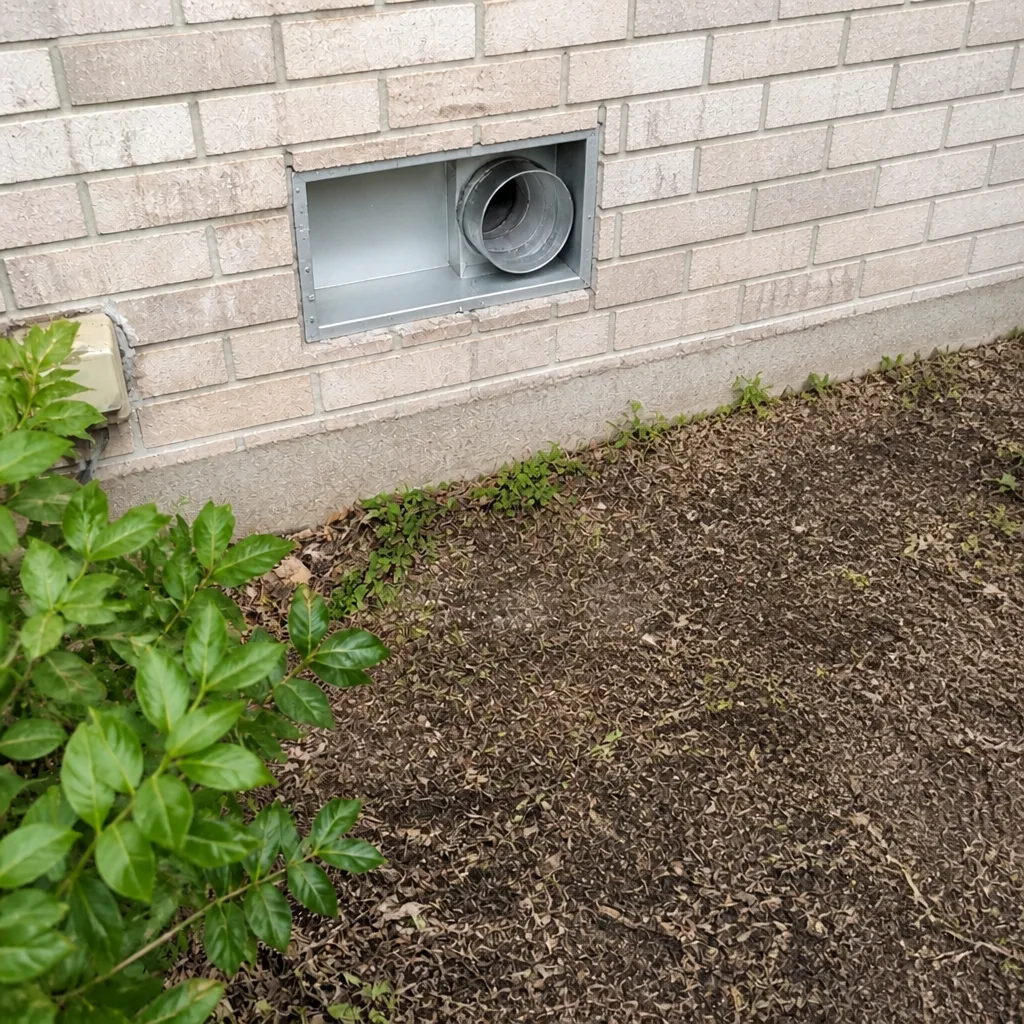
Whole-system duct and dryer vent check with before-and-after photos - you see exactly what came out of your vents
That "$99 whole-house special" is a bait ad - the real number appears once they are in your hallway, or the "clean" is a shop-vac at the register. We photograph the inside of your ducts before and after instead.
Air Duct Cleaning Emergency Preparedness Guide for Oak Cliff Homes
The instinct after a storm is to switch the system on and dry everything out. That instinct is often the thing that spreads contamination through an Oak Cliff home. When a pipe bursts or wind tears shingles loose, moisture and debris sit inside the air pathway, and running the blower pushes both through every duct and every room before anyone has assessed the system. This guide explains the correct order of response after floods, ice storms, and high wind in Oak Cliff, what to document before anyone cleans anything, and how to tell a real remediation contractor from a storm-chaser crew.
Quick Answer
After a storm or flood in Oak Cliff, leave the HVAC system off until a technician assesses the ducts and air handler, document water lines and debris with photos before any cleaning, and only then have the system cleaned, sanitized, and repaired in that order. Running the blower first is the single most common way homeowners spread mold spores and insulation fibers through the whole house. Air duct cleaning after storm flood damage is a sequenced job, not a vacuuming job.
Styles & brands we work with
- Whole-home duct cleaning
- Dryer vent cleaning
- Camera inspection
- Sanitizing & deodorizing
Table of Contents
- Why You Leave the HVAC Off After a Storm
- Post-Flood Protocol for Oak Cliff Homes
- Post-Ice Storm Protocol: Pipe Bursts and Saturated Insulation
- Post-Tornado and High-Wind Protocol
- What to Tell Your Insurance Adjuster About Duct Contamination
- How to Vet Emergency Contractors Versus Storm-Chasers
- What to Document Before Any Cleanup Begins
- Common Mistakes to Avoid
Why You Leave the HVAC Off After a Storm
An HVAC blower moves several hundred cubic feet of air per minute through a home. In a dry house that air is harmless. In a house with water in the attic insulation, wet drywall, or debris in the return plenum, that same airflow picks up mold spores, fiberglass particles, and settled dust and delivers it evenly into every room. The duct system doesn’t filter out contamination at that point; it distributes it.
The reason this matters more in Oak Cliff than most homeowners realize is the housing stock. Much of the neighborhood was built between the 1940s and the 1970s, and plenty of those homes still run original galvanized duct trunks or have had flex duct retrofitted piecemeal over the years. Old ductwork has seams, loose joints, and sometimes rusted-out sections. A breach that was letting 15% of your conditioned air leak into the attic on a normal day becomes a pathway for attic debris to enter the supply side once the attic is wet and disturbed.
So the sequence after storm damage looks like this:
- Kill power to the air handler and the condenser at the breaker, not just at the thermostat.
- Photograph everything before you touch it. Water lines on drywall, the condition of attic insulation, any visible debris inside return grilles.
- Get the structure dry with dehumidifiers and air movers before any duct work proceeds.
- Have the duct system assessed for moisture, mold growth, and physical breach.
- Clean, then sanitize, then repair, in that order. Cleaning a breached duct before repairing it means the repair just reopens the pathway.
- Verify airflow and pressure before turning the system back on.
That’s the whole protocol in six steps. Everything below is the detail behind each one.
When we perform air duct cleaning in Oak Cliff after a weather event, the first hour of the job is usually assessment, not cleaning. We’re looking for where the water got in and how far it traveled before anything gets touched.
Post-Flood Protocol for Oak Cliff Homes
Flooding in Oak Cliff rarely means standing water across a whole neighborhood. It usually means low-lying pockets, storm-sewer backup, and slab-on-grade homes where water comes in under doors and through the slab edges. When that happens, the duct system is often the last thing anyone thinks about, but it’s the thing that determines whether the house dries out clean or smells musty for the next two years.
Here is what matters most in a flood response:
- Water in the return plenum is the worst case. Return ducts pull air back to the air handler through the biggest, lowest runs in the house. If water pooled anywhere near a return, assume moisture entered the duct until a technician confirms otherwise.
- Flex duct that has soaked should be replaced, not dried. The inner liner of flex duct traps moisture between layers. Cleaning it doesn’t remove the moisture; it just agitates it.
- Sheet metal can often be saved. Galvanized trunk lines and plenums can be cleaned, treated for mold, and sealed if the metal is structurally sound. Rust-through means replacement.
- Insulation in the attic is a separate problem. Wet insulation holds moisture against the duct runs and against the air handler. It has to come out and be replaced.
- Wait for dry. Running cleaning equipment through a wet duct system pushes moisture into corners where it can’t evaporate. Get the structure below its normal humidity level first.
One detail specific to Oak Cliff: many homes here have the air handler in a closet or in the attic rather than a garage. In attic-installed systems, a flood that never reaches the living space can still wet the platform, the drain pan, and the duct connections. Look up before you look down.
Flood response also brings a second call: HVAC cleaning, which addresses the air handler, evaporator coil, and blower wheel. Water in the cabinet, biological growth on the coil, and debris clogging the condensate drain all show up together after a flood. We clean the coil and cabinet as part of the same visit because cleaning the ducts while leaving a contaminated coil in place just puts the contamination back into the air pathway.
Post-Ice Storm Protocol: Pipe Bursts and Saturated Insulation
North Texas ice storms don’t need deep cold to do damage. A long stretch near or below freezing with the power out will burst exposed pipes in an attic or a wall cavity, and the water that comes out lands on insulation and sometimes directly on duct runs. This is the pattern after a major ice event in Oak Cliff, and it produces a very specific duct problem.
When supply plumbing in the attic bursts, the water hits the blown insulation, which holds it. Saturated insulation stays wet for a long time in the mild, humid stretch that follows an ice event in this part of Texas. That’s the mold window: the moisture is present, the temperature is in the range where mold grows fastest, and the ducts are sitting right in the middle of it. If the blower runs during that stretch, mold spores from the wet insulation get pulled straight into the return.
Here’s what the protocol looks like after a pipe burst in an Oak Cliff home:
- Shut off the water and the HVAC breaker. Both. The blower running while the attic is wet is the single most common mistake.
- Locate the water path. Trace where the pipe failed and follow the water down. It often follows a joist or duct run into a wall cavity or across the ceiling plane.
- Get wet insulation out of the attic. Saturated insulation has to be removed and replaced. Drying it in place doesn’t work.
- Assess the ducts in the path. Flex duct in the water path should be replaced; sheet metal can usually be cleaned and sealed.
- Treat and sanitize the system once the structure is dry and the wet materials are gone.
- Repair and seal any joints or duct sections that were opened or damaged.
- Bring the system back online and verify airflow and coil operation.
This is one place where the equipment choice matters. Cleaning a system that touched flood or pipe-burst water is a containment job as much as it is a cleaning job. We use Abatement Technologies negative-air equipment so dislodged material is pulled out of the home rather than recirculated into it, and Nikro HEPA-rated vacuum equipment to contain the debris we extract. Running a shop vac and a brush through a mold-affected duct without containment just spreads the problem.
Post-Tornado and High-Wind Protocol
High wind exposes a weak point most homeowners never think about: the attic. When shingles peel or a gable-end vent gets torn open, wind-driven rain and loose insulation, dust, and even small debris get pushed into the attic cavity and can enter the duct system through any breach. Tornado-adjacent winds will do it too, and the damage is often invisible from the ground.
The first thing to understand is where breaches live in Oak Cliff homes:
- Flex duct connections at the register boots. These are taped or zip-tied and fail first under vibration or pressure changes.
- Sagging flex duct runs. Flex that has lost support in the attic can pull loose from a boot entirely.
- Return plenum joints. Sheet metal joints in the return are a common infiltration point.
- Collapsed or crushed duct sections. High wind rarely crushes duct directly, but fallen insulation or a shifted attic access can.
- Disconnected runs under the floor in pier-and-beam homes, which still exist in parts of Oak Cliff.
What you don’t want to do is start cleaning before you’ve found the breaches. Cleaning a system with an open breach in the attic will pull attic dust into the supply side on the next blower cycle and undo the cleaning. The correct order is: locate and seal the breach, then clean, then verify.
This is also where the air duct cleaning Oak Cliff service and our Duct Repair & Sealing work overlap. After a high-wind event, the right response is usually some combination of cleaning, replacing failed flex sections, sealing sheet metal joints with mastic, and verifying system pressure. Cleaning alone leaves the pathway open.
What to Tell Your Insurance Adjuster About Duct Contamination
Duct contamination after a covered event is often a covered loss, and the reason is straightforward: the ducts are part of the structure, and if water, wind-driven debris, or fire suppression matter entered them, the duct system was damaged by the same event that damaged the walls. Adjusters deny or reduce duct claims most often because the homeowner can’t show them what happened before the ducts were touched.
Here’s what to put in front of your adjuster:
- Photos of the water line or debris entry point that clearly shows the pathway into the duct system.
- Photos inside the returns taken before any cleaning, showing visible moisture, debris, or growth.
- The remediation order you were advised to follow, in writing, including that the HVAC was kept off until assessment.
- Documentation of equipment used, since a claim for duct cleaning is stronger when the method (containment, HEPA extraction, contact cleaning) is specified.
- Any duct replaced rather than cleaned, with the reason: saturated flex, rust-through, mold growth that cannot be cleaned.
The most common mistake is waiting to call an adjuster until after cleanup. Once the ducts have been cleaned, the evidence in them is gone. Documentation first, service second. That order protects the homeowner’s claim.
If your policy has already been reviewed by the adjuster and duct work is approved, save the estimate and the invoice together. Adjusters routinely ask for both.
How to Vet Emergency Contractors Versus Storm-Chasers
After a major weather event in Oak Cliff, out-of-area crews arrive fast. Some are legitimate; plenty are not. The tell isn’t the out-of-area plate; it’s the behavior. A crew that starts work before assessing the system, that won’t put a written scope in front of you, or that quotes a price by phone without seeing the ducts is a problem regardless of where they parked.
The questions that separate a real remediation contractor from a storm-chaser:
- “Show me the equipment you’ll use.” Contact cleaning systems, HEPA-rated vacuum, and negative-air containment are the difference between cleaning and spreading. Name-brand equipment on the truck is a real signal.
- “What order will the work happen in?” A real contractor says: assess, clean, sanitize, repair, verify. A storm-chaser quotes a duct cleaning as a single line item.
- “Will you write a scope before starting?” The answer should be yes, and it should include the duct sections and equipment named.
- “Do you coordinate with my insurance?” A real contractor can work with your insurer on documentation. A storm-chaser wants cash and a signature.
- “Is your work guaranteed after the job?” A credible contractor stands behind the cleaning and repair.
- “Can I see before-and-after photos of my own ducts?” Every job should produce them. It’s how you verify the work was actually done.
We use Rotobrush rotary contact cleaning, which physically agitates and extracts debris from duct walls rather than vacuuming loose particles. We pair that with Nikro HEPA vacuum equipment and Abatement Technologies containment. None of those are cheap to run, and the crews who skip them are cheaper for a reason. A legitimate contractor explains those differences without pressure; a storm-chaser avoids the conversation.
If your home uses an Aprilaire or Honeywell air quality system, ask any contractor whether they can integrate with it. A crew that doesn’t recognize the equipment on your return shouldn’t be opening it.
What to Document Before Any Cleanup Begins
Documentation is free, and it protects both your insurance claim and your ability to verify the work. Do this before a single photo of the living room gets taken; the ducts are where the evidence has a short shelf life.
- Photograph the water line or debris entry in the attic, at the air handler, and inside the return plenum.
- Photograph each return grille as you remove it, before any cleaning.
- Write down the sequence of events: when you noticed the water, when you shut off the HVAC, when the contractor arrived. Timestamps matter to adjusters.
- Keep the written scope from the contractor, including equipment named and duct sections included.
- Keep the invoice alongside the scope.
- Save the before-and-after photos of your own ducts. If the work is later questioned, those photos are the proof.
One more note for Oak Cliff homes on slab foundations: photograph the baseboards in every room that touched water, because slab wicking can carry moisture up the wall into a wall-cavity return. It’s easy to miss if you only look at the ceiling.
How Much Does Air Duct Cleaning Cost in Oak Cliff After Storm Damage?
Post-storm duct cleaning in Oak Cliff typically runs from $450 to $1,200 for a whole-home system, depending on how much duct is affected and whether any flex sections need replacing. Cleaning alone sits at the low end; cleaning plus sanitizing and repair sits at the higher end. The written estimate sets the final price, and the estimate should be free.
- Whole-system duct cleaning: typically $450 – $850
- Cleaning with sanitizing treatment: typically $600 – $1,000
- Cleaning plus duct repair and sealing: typically $800 – $1,500
- Flex duct section replacement (per section, when saturation requires it): quoted per job in the written estimate
- Dryer vent cleaning when the storm or flooding exposed a risk: quoted per job in the written estimate
Be wary of any crew that quotes duct cleaning by the vent, or that offers a price over the phone without assessment. That pricing model depends on not knowing what’s actually in your ducts. At the same time, a slightly higher bid that specifies containment equipment, contact cleaning, and repair is usually the better value after storm damage, because the cheaper bid typically skips the repair and the containment and comes back once the smell does.
For the full context of pricing on routine (non-emergency) work, see our Air Duct Cleaning Oak Cliff page, which covers the standard service scope and the equipment we bring to every job.
See the difference
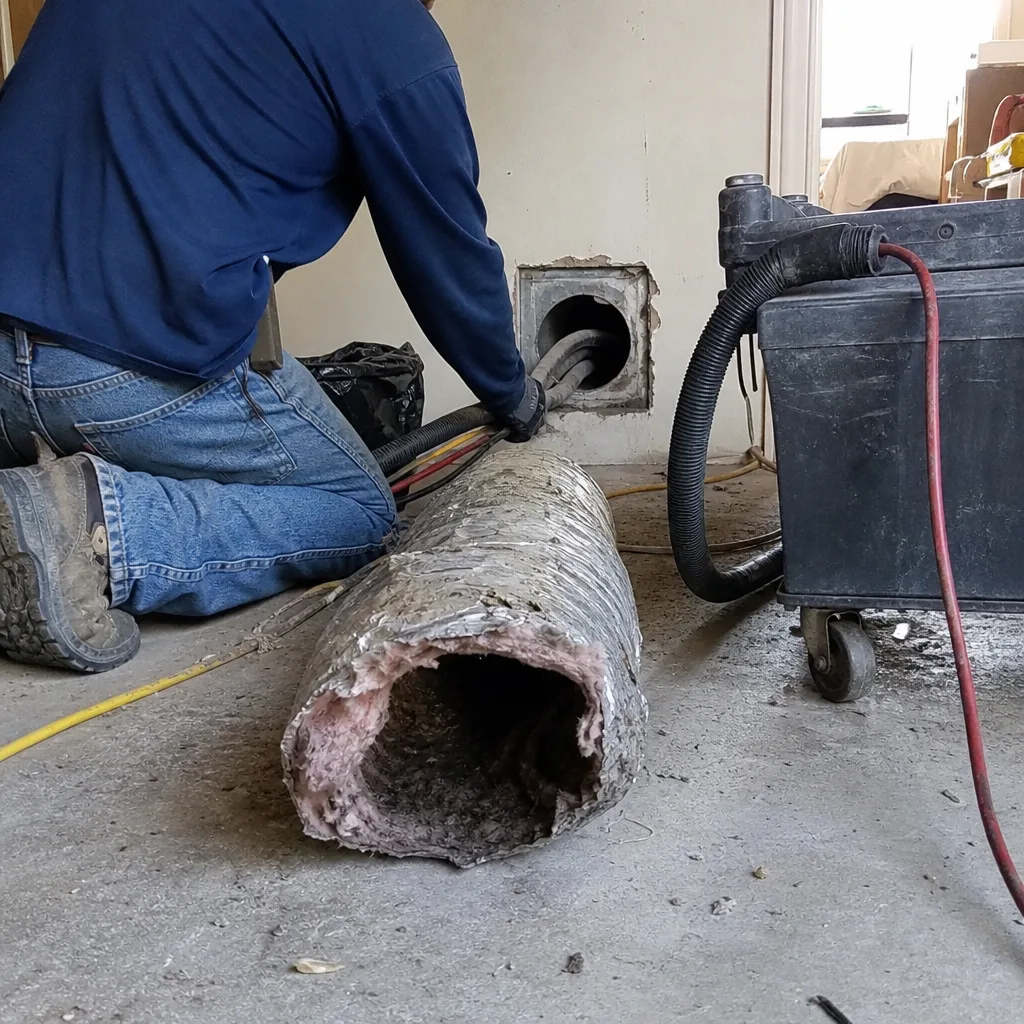 Before
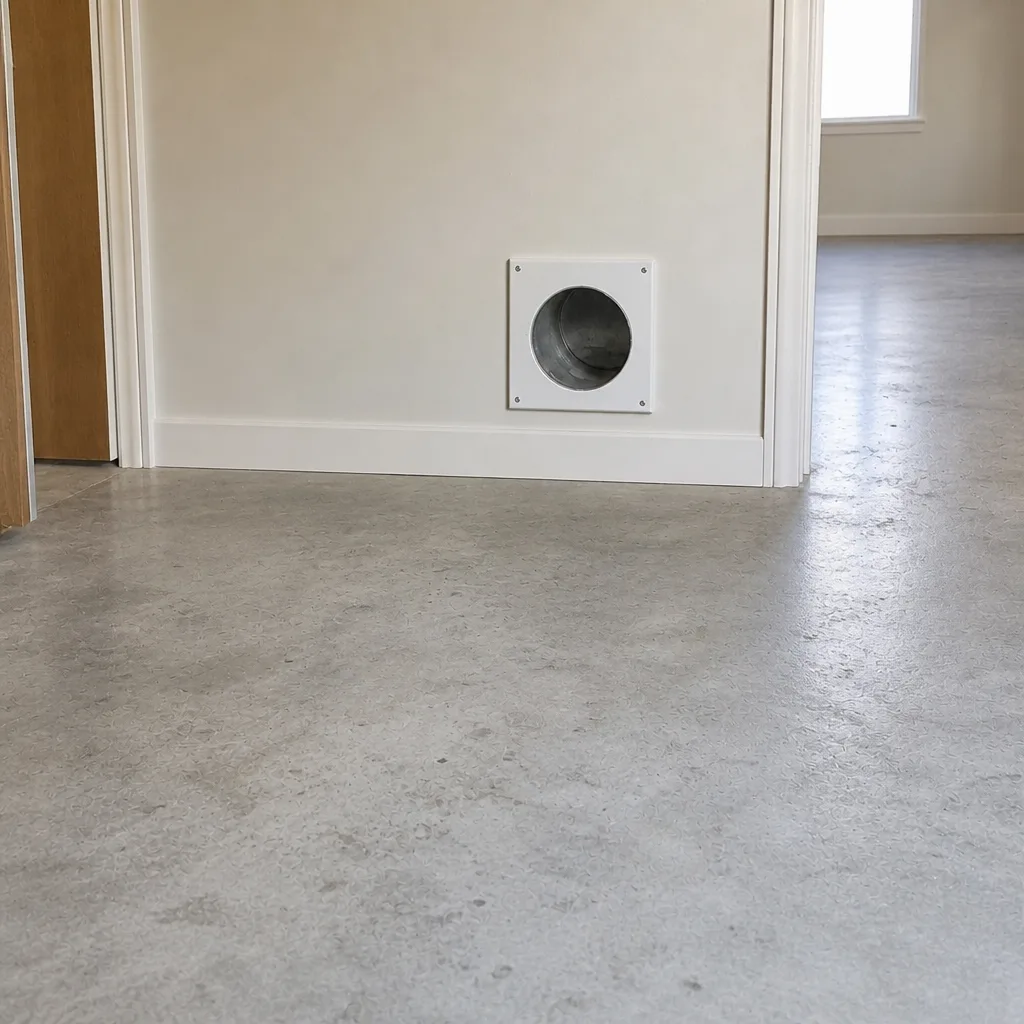 After
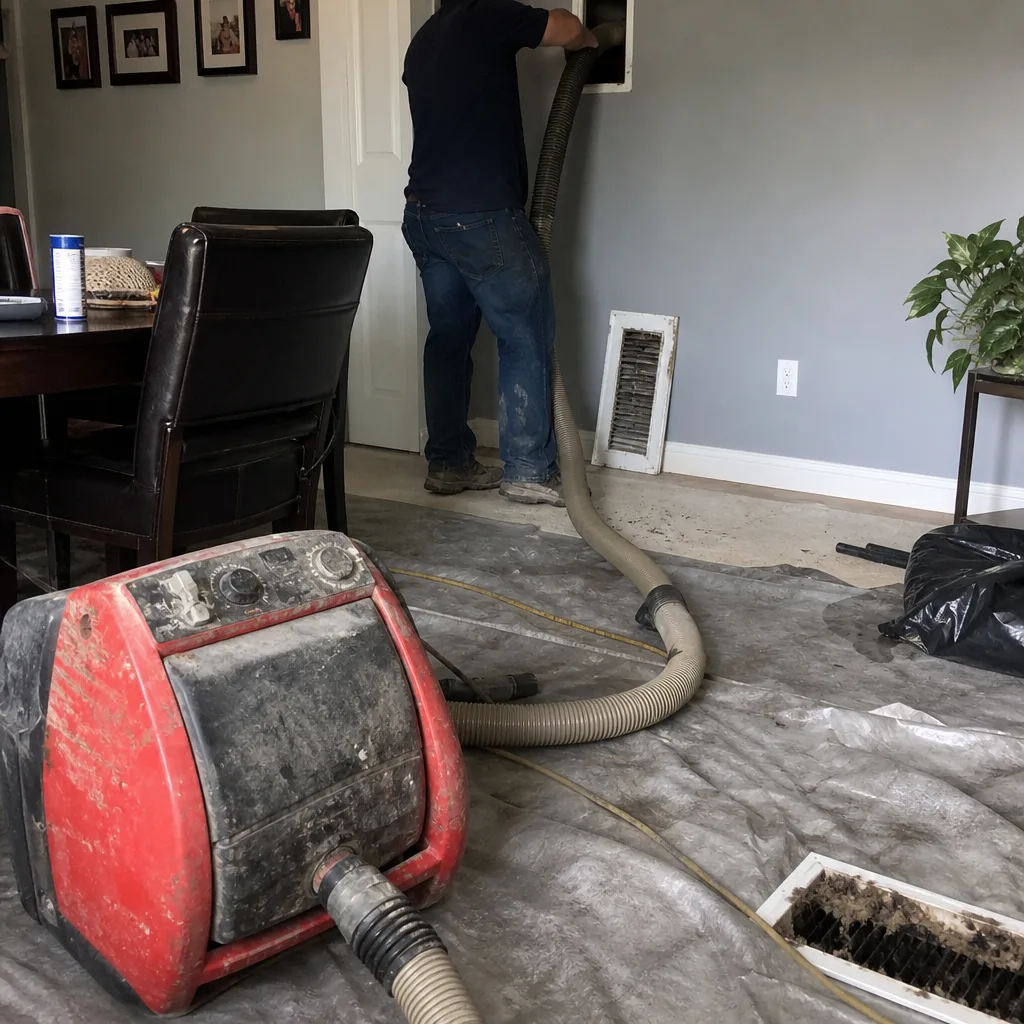 Before
 After
 Before
 After
Common Mistakes to Avoid
- Running the HVAC to dry the house out. It looks like progress, and it distributes contamination through every duct and every room. Get the blower off first, dry the structure second, assess the ducts third.
- Cleaning ducts before sealing breaches. After high wind, an open attic breach means the next blower cycle pulls attic dust back in. Locate and repair the breach first, then clean.
- Cleaning a wet duct system. Cleaning equipment pushes moisture into corners where it stays. Get the structure dry, replace saturated flex, then clean what remains.
- Skipping documentation. Photos of the water line, the return plenum, and the attic breach are what adjusters ask for first. Cleaning first destroys that evidence.
- Accepting a phone quote or a per-vent price. Storm-chasers price over the phone precisely because they don’t want to look inside the ducts first. A real estimate requires a look at the system.
- Forgetting the dryer vent. A storm or flood that soaked part of the house often stresses the dryer vent too, and lint accumulation in a clogged vent is one of the more common home fire risks. Dryer vent cleaning belongs on the same visit.
- Accepting cleaning without containment. A shop vac and a brush move debris into the air rather than out of the home. Negative-air containment and HEPA extraction are the difference between a cleaning and a recontamination.
When to Call a Professional
Call a professional anytime storm damage has touched the air pathway and you’re not sure what’s inside the ducts. That includes water in the return plenum, saturated attic insulation over duct runs, a breached duct section after high wind, visible mold inside a return, and a musty smell that shows up two or three weeks after a storm event. It also includes the case where the system is running but airflow is clearly weaker than before the storm, which usually means a collapsed or disconnected run.
If you’re mid-cleanup and about to turn the HVAC back on, that’s a good moment to call before you do. A quick assessment can keep you from committing a contamination problem to the whole house.
Air Duct Cleaning Oak Cliff offers free estimates in Oak Cliff – call (855) 337-2058. We answer 24/7. Fast dispatch from 7am to 7pm, Sunday through Friday.
Frequently Asked Questions
Get the system assessed as soon as the structure is dry, which in North Texas is usually three to five days with proper dehumidification, and always before turning the HVAC back on. Running the blower before assessment is what turns a contained problem into a whole-house one, so assessment comes first even if cleaning has to wait a little longer.
It often does when water, wind-driven debris, or fire-suppression matter entered the duct system, because the ducts are part of the structure. Coverage depends on your policy, so document the damage thoroughly with photos before clearing anything out. Call (855) 337-2058 for a free estimate and to discuss documentation – estimates are free.
Cheap quotes usually skip containment equipment, contact cleaning, and the repair step that keeps the system sealed after cleaning. They price by the vent or over the phone without seeing the ducts, which means the bid is designed to change once the crew is in your attic. A written estimate that specifies equipment and scope is worth more than a low number that doesn’t.
Ask for before-and-after photos of your own ducts, taken at each return before cleaning and again after. We photograph both, and we include them in the invoice packet. Pair the photos with the written scope of work, and you can verify exactly which duct sections were serviced. Call (855) 337-2058 for a free estimate – the photos are part of every job.
No. The blower pulls air from a wet attic or wet return plenum through every duct and every room in the house, which spreads mold spores and insulation fibers through the entire system before anyone has a chance to assess it. Kill the breaker, dry the structure, then assess the ducts before the system comes back on.
Ask for rotary contact cleaning equipment (we use Rotobrush), a HEPA-rated vacuum (we use Nikro), and negative-air containment (we use Abatement Technologies). Those three together prevent dislodged debris from re-entering the home, which is the whole point of post-storm cleaning. If a contractor can’t name their equipment or doesn’t use containment, that’s the answer.
The Bottom Line
The single most important thing you can do after a storm in Oak Cliff is to leave the HVAC off until the duct system has been assessed. That one decision decides whether contamination stays in the attic and the plenum or spreads through every room. Document before anyone cleans, get the structure dry before service, and clean, sanitize, and repair in that order. Vet the contractor by whether they use containment and contact cleaning equipment, not by the price on the phone. And if you’re mid-cleanup and unsure, call before the blower comes on.
We perform five service lines – air duct cleaning, dryer vent cleaning, HVAC cleaning, air quality and sanitizing, and duct repair and sealing – because storm response usually touches more than one of them. Our technicians have up to 9 years of experience, and every job gets one flat price agreed before work starts, with before-and-after photos of your own ducts. Call (855) 337-2058 for a free estimate. We answer 24/7. Fast dispatch from 7am to 7pm, Sunday through Friday.
Written by the team at Air Duct Cleaning Oak Cliff.