
Last updated November 23, 2026
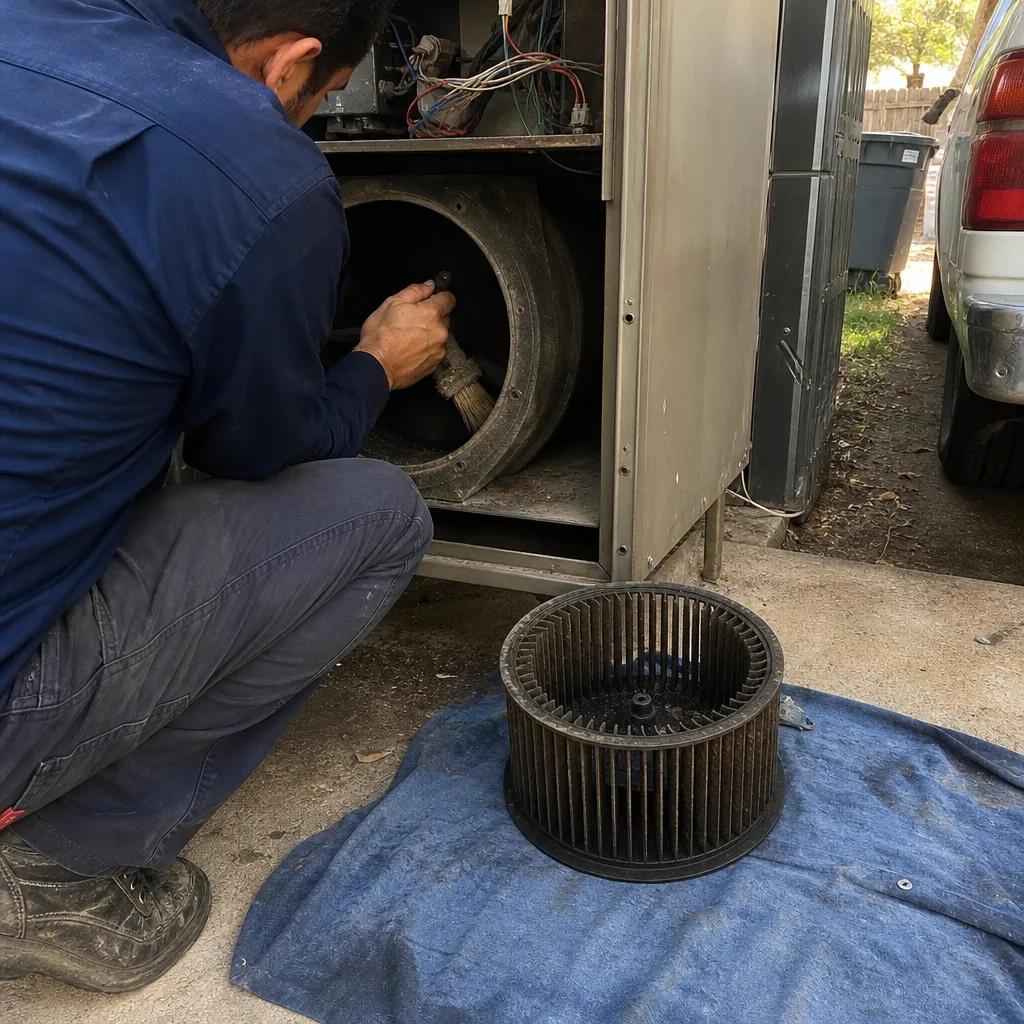
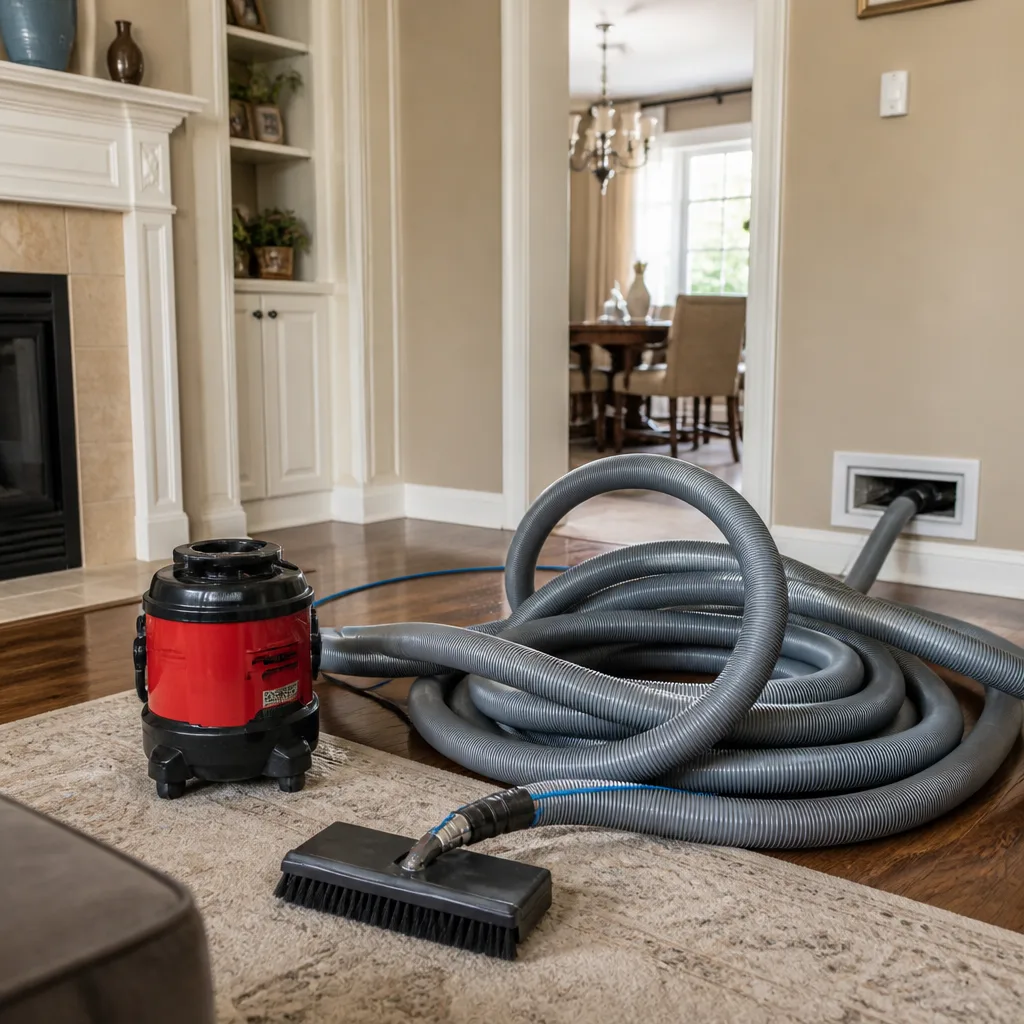 Whole-home duct cleaning
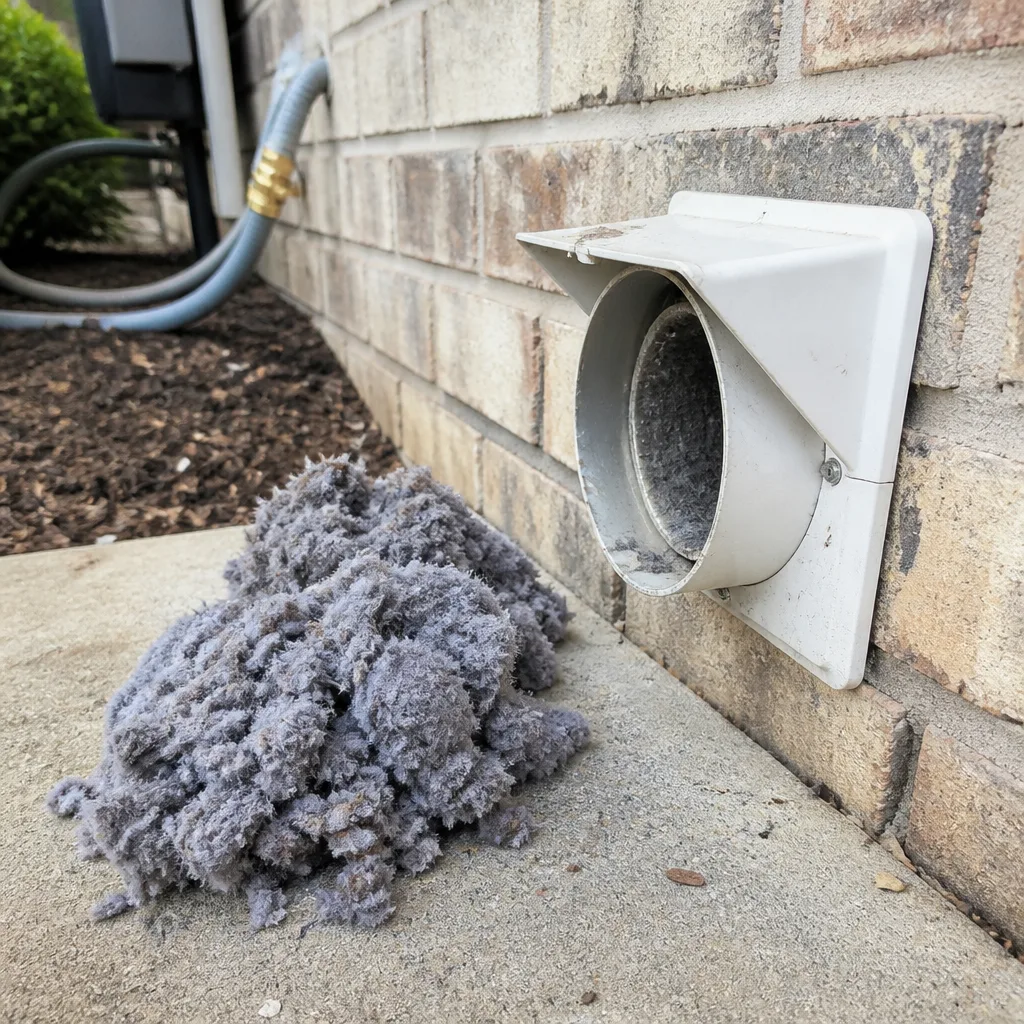 Dryer vent cleaning
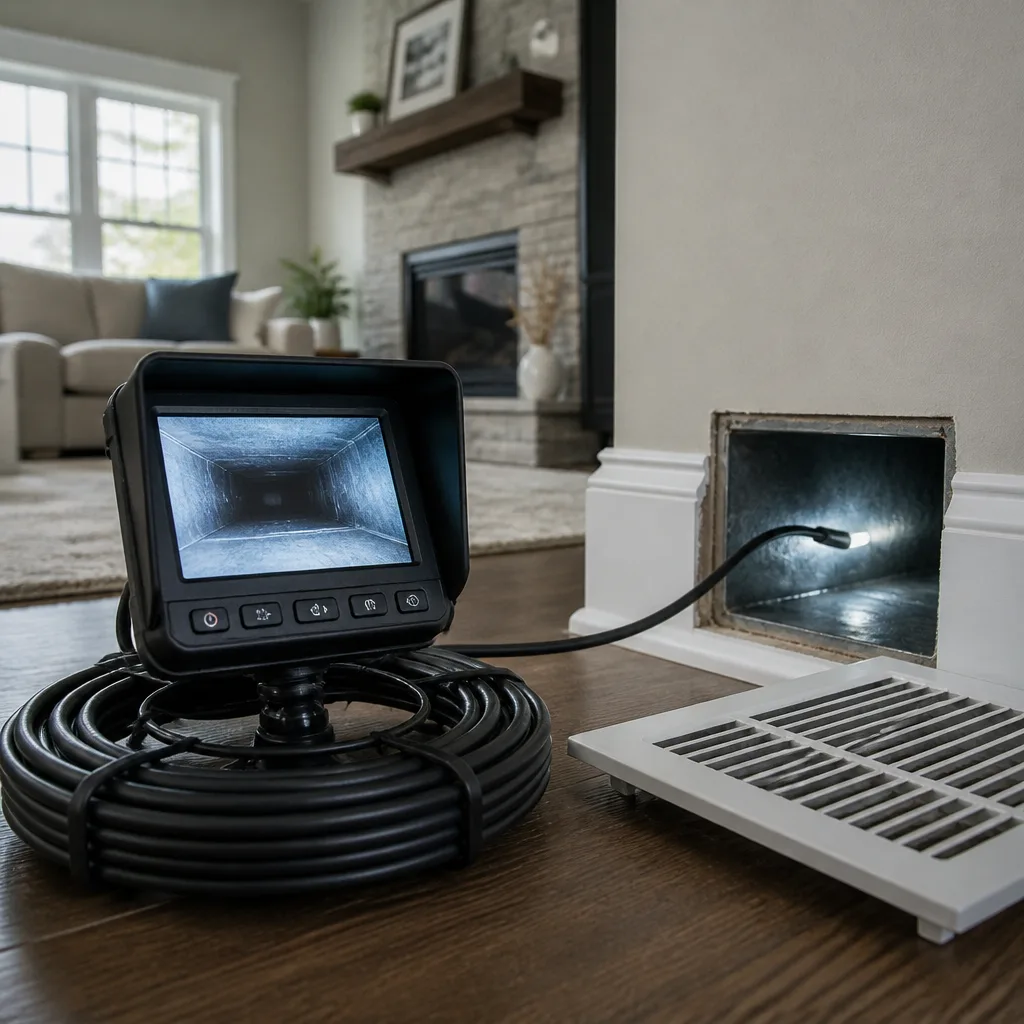 Camera inspection
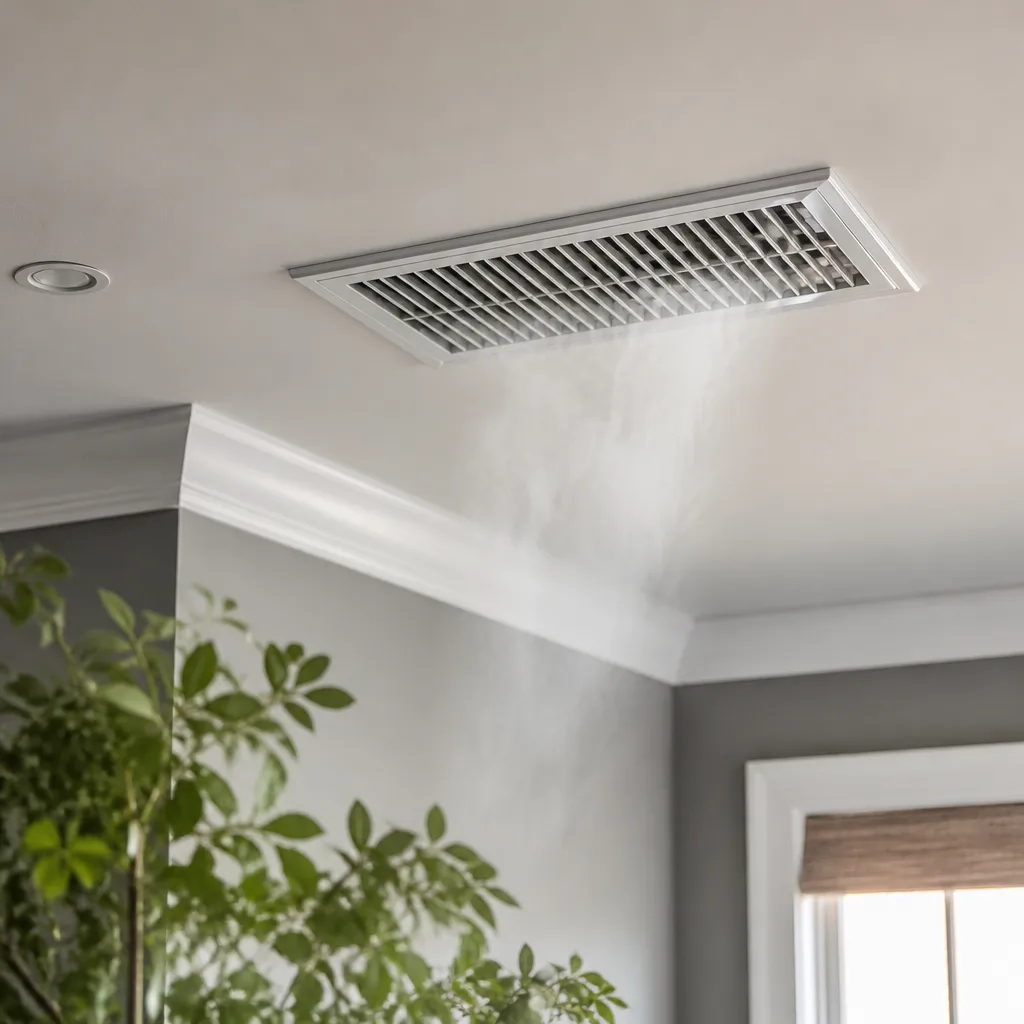 Sanitizing & deodorizing
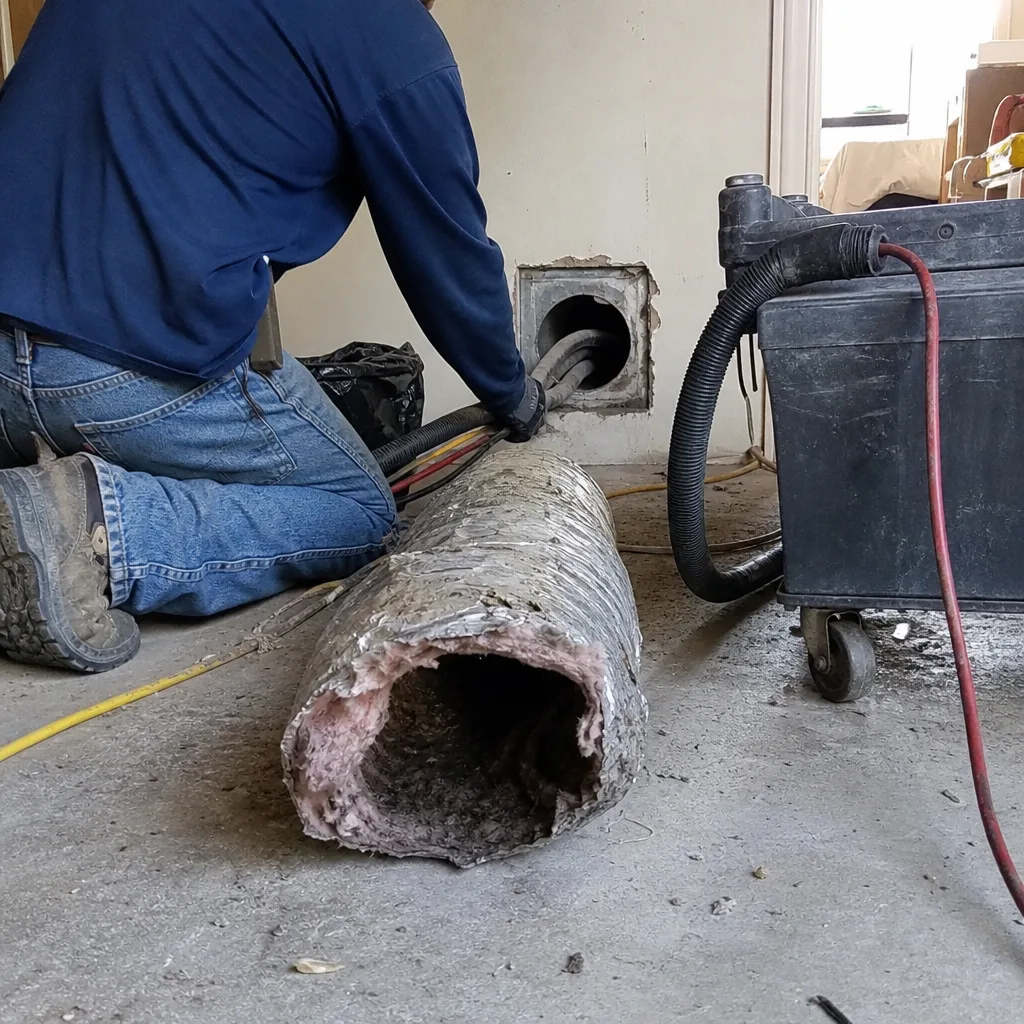
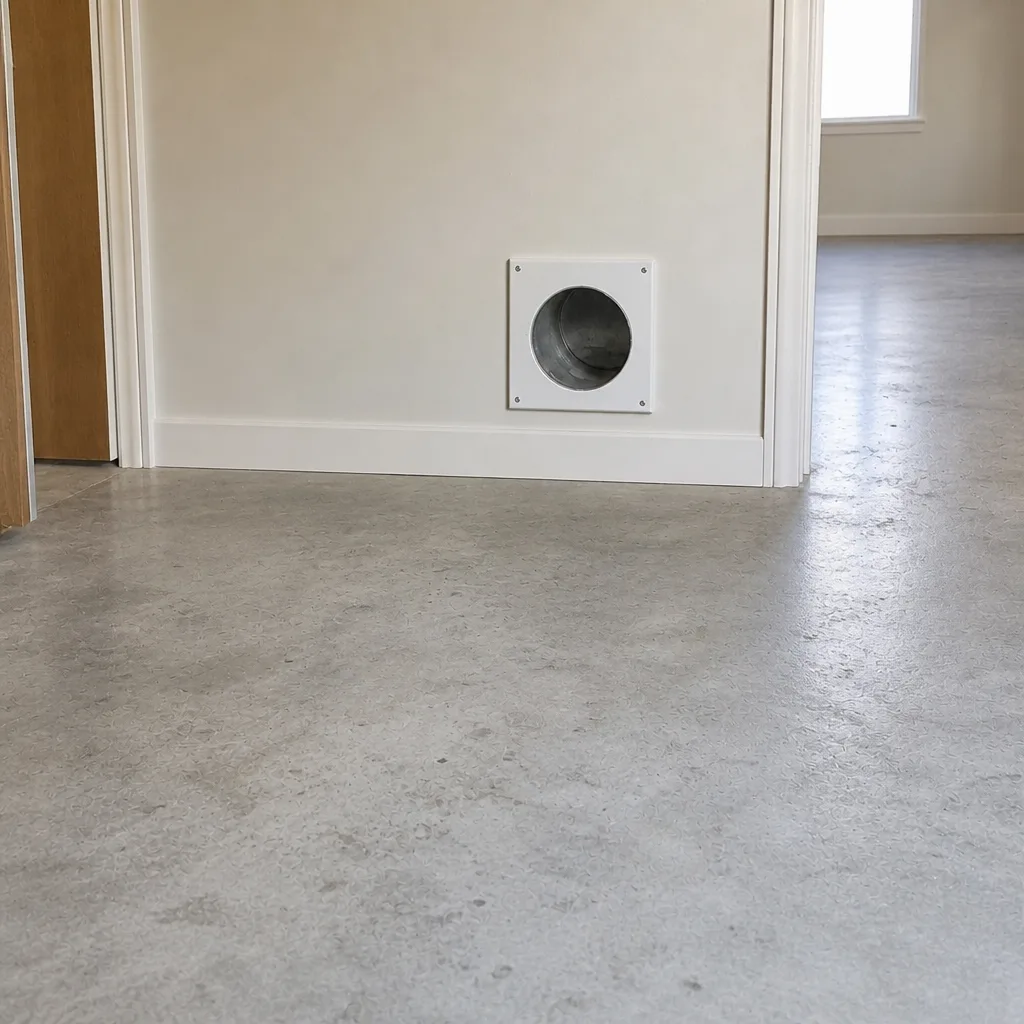
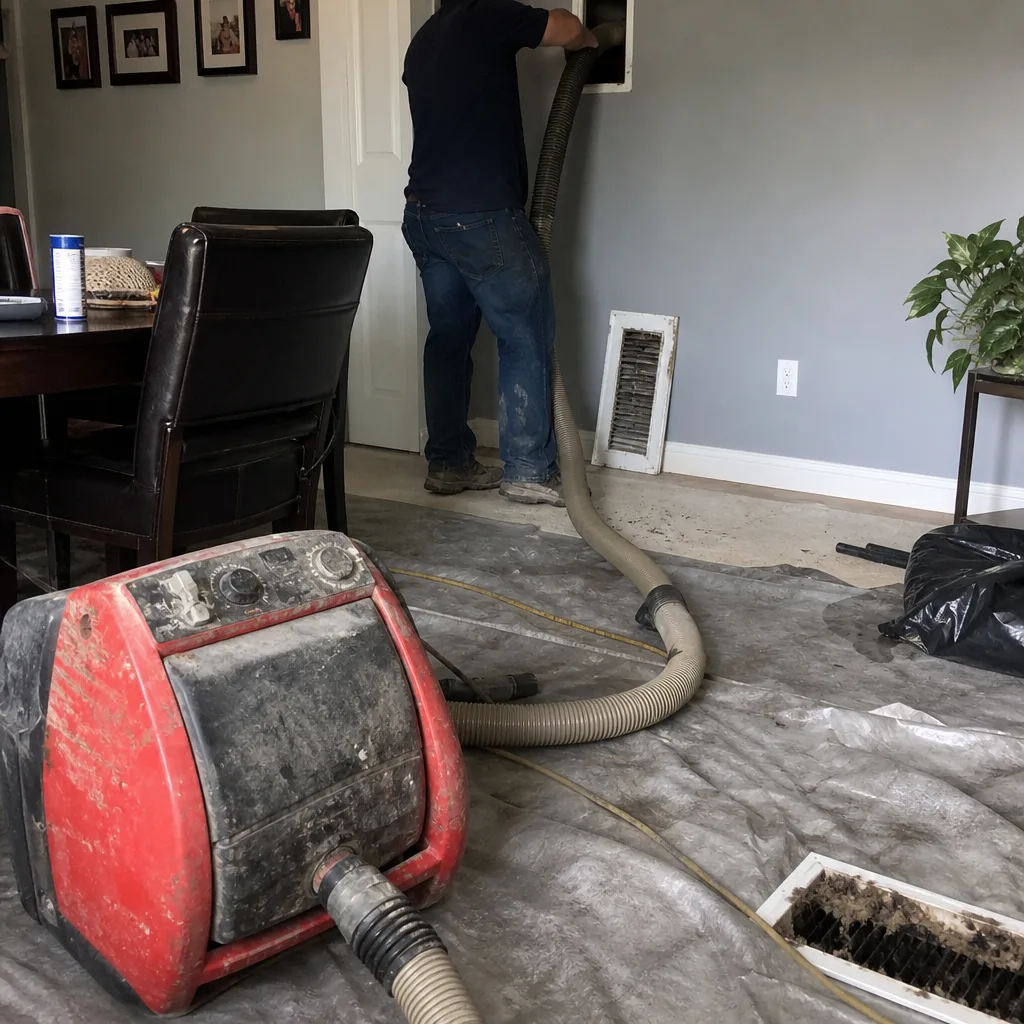
Whole-system duct and dryer vent check with before-and-after photos - you see exactly what came out of your vents
That "$99 whole-house special" is a bait ad - the real number appears once they are in your hallway, or the "clean" is a shop-vac at the register. We photograph the inside of your ducts before and after instead.
Seasonal Air Duct Cleaning Care for Oak Cliff: Year-Round Homeowner’s Guide
Most seasonal duct care advice was written for a place with four equal seasons, and Oak Cliff doesn’t have those. Our climate runs on a different clock: a long, brutal cooling season, a spring that loads the air with pollen, and two mild maintenance windows that most homeowners sleep through. In a hard summer, Oak Cliff can see more than 60 days above 100°F, which means your air handler runs almost continuously for months, moving whatever sits in your ducts through your home on a schedule northern guides never planned for. This guide maps the real Oak Cliff climate calendar to specific duct actions, month by month, so you clean when it actually pays off and monitor when it doesn’t.
Quick Answer
The best window for deep air duct cleaning in Oak Cliff is late February through April, before the spring pollen load peaks, with a second good window in October and November after the cooling season ends. From May through September, skip deep cleaning and focus on filter changes and system monitoring. December and January are for heating-season prep, not major duct work. The goal is to clean before the system starts working hardest, not in the middle of it.
Styles & brands we work with
- Whole-home duct cleaning
- Dryer vent cleaning
- Camera inspection
- Sanitizing & deodorizing
Table of Contents
- What Accumulates in Oak Cliff Ducts Over Winter
- February Through April: The Highest-Value Cleaning Window
- May Through September: Monitor, Don’t Deep-Clean
- October and November: The Post-Summer Inspection Window
- December and January: Filter and Heating-Season Prep
- How to Sync Duct Care With Your HVAC Tune-Up
- How Oak Cliff’s Housing Stock Changes the Equation
- Common Mistakes to Avoid
- When to Call a Professional
What Accumulates in Oak Cliff Ducts Over Winter
Winter in Oak Cliff is mild enough that most furnaces run in short bursts rather than long stretches, and that pattern matters for your ducts. Short heating cycles move less air, so fine dust settles instead of staying suspended. By the time February arrives, the inside of a duct run can hold a layer of accumulated debris that never got carried out during the cooler months.
Here’s what builds up over a typical Oak Cliff winter:
- Construction and renovation dust. Oak Cliff has a deep stock of older homes, many of them remodeled over the years. Drywall dust and sawdust from any winter interior work settles into return ducts, and heating season locks it in place.
- Pet dander and skin cells. With windows closed and the house sealed against occasional cold snaps, indoor particulate has nowhere to go but the return air path.
- Dryer lint migration. Lint from a poorly sealed dryer vent can migrate into nearby duct cavities. This is one reason we treat dryer vent cleaning as part of the same indoor air picture, not a separate chore.
- Mild-dewpoint condensation film. Oak Cliff winters swing between cool, dry air and warm, humid Gulf air. That humidity cycling can leave a thin film on duct interiors in poorly sealed systems, which becomes a food source for microbial growth once spring warmth returns.
None of this announces itself. It sits there until the cooling season turns your system into a circulation engine. That’s why the winter accumulation phase is exactly why the spring window matters.
February Through April: The Highest-Value Cleaning Window
Late February through April is the single highest-value time of year to clean ducts in Oak Cliff. Here’s why: the system is about to start running daily, the pollen count is about to climb, and you have just enough time to get the duct interior clear before either event lands. Cleaning in April means the first heavy cooling cycle of the year pushes clean air, not a winter’s worth of settled debris, through every room.
There’s a pollen-specific reason this window matters in North Texas. Oak Cliff sits under a heavy spring tree and grass pollen load, and the makeup air your system draws in through returns and any leaky duct sections carries that pollen indoors. When the ducts are dirty, pollen adheres to existing dust film and gets redistributed every time the blower kicks on. Clean ducts give the pollen nowhere to stick.
What a proper pre-pollen cleaning should include:
- Source removal, not just vacuuming. A rotary contact-cleaning system, like the Rotobrush equipment we use, physically scrubs the duct walls. A vacuum alone pulls loose particles but leaves the adhered film.
- Negative-pressure containment. Using Abatement Technologies negative-air equipment keeps dislodged debris from drifting back into the living space during the job.
- HEPA extraction. Nikro HEPA-rated vacuums catch the fine particulate that standard shop vacuums blow back out.
- Sanitizing where warranted. If the winter humidity film was severe, a sanitizing step belongs here before cooling season.
- Filter change on completion. Never leave a fresh-cleaned system running on the filter that was in place during cleaning.
If your ductwork has visible gaps, disconnected flex runs, or failing mastic at the joints, cleaning only half-solves the problem. A full duct cleaning and sealing service performs the repair so the clean system stays clean. That’s the difference between a seasonal reset and a system that undoes itself by July.
May Through September: Monitor, Don’t Deep-Clean
We advise Oak Cliff homeowners against scheduling a deep duct cleaning during the peak cooling months, and it’s not because the work can’t be done. It’s because the value is lower and the risk is higher. From May through September your air handler is running close to continuously. Opening the system for a deep cleaning means shutting it down in the middle of the hottest stretch of the year, and the airborne debris stirred up during the job gets recirculated faster than in any other season.
What to do instead during peak cooling:
- Change your filter on a tighter schedule. With continuous runtime, a filter that would last three months in a mild climate loads up in six to eight weeks. Check monthly.
- Watch for musty odor at startup. A brief musty smell when the AC cycles on points to moisture in the air handler or a duct section, not just surface dust. Note it and address it after the season.
- Track room-to-room temperature differences. If one bedroom runs 4-6°F warmer than the rest of the house, that’s a duct balance or leakage symptom worth documenting now and investigating in the fall.
- Keep return grilles clear. Furniture, rugs and storage blocking returns starve the system and raise static pressure.
- Don’t run a whole-house fan or open windows during high pollen days. You’re just feeding the system.
If you smell something genuinely musty inside the ducts themselves and it’s persistent rather than a brief startup puff, that’s worth a professional look even in mid-summer. Our HVAC cleaning service addresses the air handler and coil, which can be the actual source when the ducts feel fine.
October and November: The Post-Summer Inspection Window
October and November are the second-best window on the Oak Cliff calendar, and they’re the best time for inspection rather than cleaning. After a full cooling season, your duct system has been through months of thermal cycling, higher static pressure, and continuous blower operation. That’s when the weaknesses show up.
What heat stress actually does to duct components:
- Flex duct sagging and collapse. Attic temperatures in Oak Cliff can push well past 140°F in summer. Flex duct that runs through that attic space softens, sags between hangers, and can pinch down to a fraction of its designed airflow. A visually “fine” flex run may be delivering half the air it should.
- Mastic cracking at joints. Mastic is a durable seal, but heat cycling it through hundreds of expand-and-contract events over a summer can hairline-crack it. Small cracks leak conditioned air into the attic and pull hot attic air back into the system.
- Insulation compression. Flex duct insulation compresses at bends and hanger points, creating hot spots where the interior surface condenses moisture.
- Tape failure. Duct tape, despite the name, is not an approved long-term duct seal. Heat eventually lifts it, and joints that were sealed in April are open by October.
This is the window where we recommend a proper inspection with remediation, not just a cleaning. Our duct repair and sealing work addresses the root cause of air loss. You can’t clean a leaking system into efficiency; you have to seal it. A fall inspection that finds and fixes three failed joints is worth more than a spring cleaning on a leaky system.
December and January: Filter and Heating-Season Prep
Winter prep in Oak Cliff is short and specific. The furnaces here never face the sustained cold of a northern climate, but they do face something else: infrequent but severe ice events that drive unusual condensation patterns inside duct systems. When the outdoor temperature drops sharply after a mild stretch, the dewpoint inside wall chases and crawlspace duct runs can shift fast, and any unsealed joint becomes a condensation point.
A practical December and January checklist:
- Swap to a fresh filter sized for your system’s rated MERV, not necessarily the highest MERV available. Overshooting filter resistance on an older Oak Cliff system raises static pressure and shortens blower life.
- Check crawlspace and wall-chase duct joints for visible moisture streaks or staining after the first cold snap. Streaking means condensation, and condensation means a seal has failed.
- Schedule a furnace tune-up and have the technician check the return-side static pressure. That number tells you whether your ducts are actually sized for the airflow the system needs.
- Confirm your thermostat’s filtration and humidity settings are correct for the heating cycle. If you run a Honeywell or Aprilaire system, both integrate cleanly with whole-home filtration or humidification that pairs well with a freshly cleaned duct system.
- Note odors on first furnace startup. A slight dust burn-off smell is normal in the first few minutes. A persistent musty or chemical smell is worth investigating.
If December brings an ice event and your system’s humidity control is struggling, don’t panic-clean the ducts. Fix the moisture source first, or you’ll clean twice.
How to Sync Duct Care With Your HVAC Tune-Up
The most common wasted effort we see in Oak Cliff is a homeowner scheduling a duct cleaning two weeks after an HVAC tune-up, paying for both, and getting no coordination between them. Both contractors are working on the same air pathway. Sync them and you get more from the money you spend on each.
The ideal sequence, in order:
- Schedule the HVAC tune-up first, in late winter. Your technician checks refrigerant charge, blower condition, coil cleanliness, and static pressure. That report tells you whether the coil needs cleaning and whether the ducts are delivering proper airflow.
- Then schedule duct cleaning, roughly one to two weeks after the tune-up. That way the technician’s findings inform what happens in the ducts. If the coil was dirty, we address the air handler in the same visit under our HVAC cleaning line.
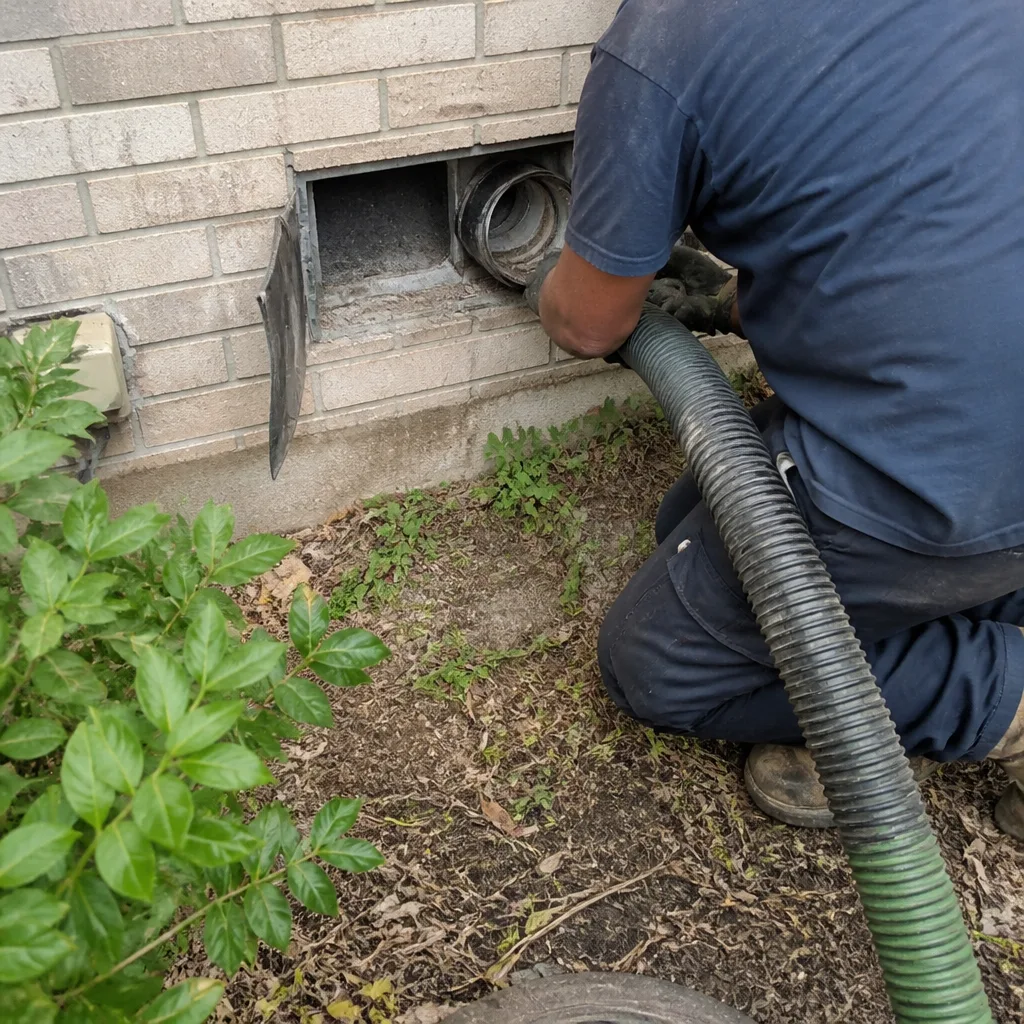
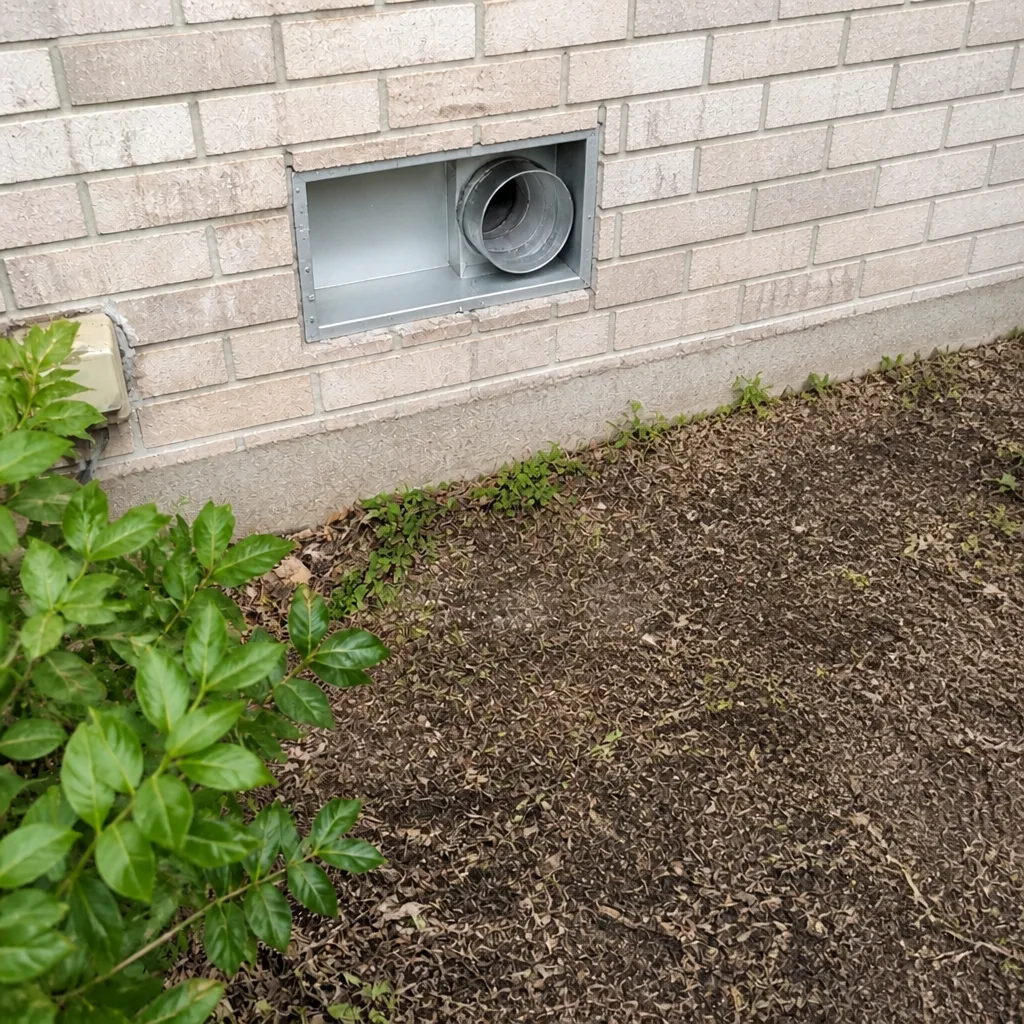
- Have the duct team document before-and-after photos of your own duct interiors. This is what turns “we cleaned it” into something you can actually verify.
- Have the tune-up contractor review the post-cleaning static pressure reading. If cleaning plus sealing dropped the static pressure, your system is now moving air more efficiently, which shows up in comfort and utility cost.
- Set the next tune-up for the following winter and the next duct inspection for the following fall. The cadence works with the Oak Cliff climate instead of against it.
Tell both contractors what the other is doing. A duct tech who knows the blower was just serviced will check the blower compartment; a tune-up tech who knows the ducts were just sealed will recheck static pressure. That coordination is the actual value.
How Oak Cliff’s Housing Stock Changes the Equation
Duct cleaning advice for a new-build suburb doesn’t fit Oak Cliff. Homes in neighborhoods like Bishop Arts, Kessler Park, Winnetka Heights, and the blocks around Stevens Park and Lake Cliff were built across many decades. The housing stock is genuinely varied, and that variation shows up in the duct systems.
A few things that come up regularly when we work in Oak Cliff:
- Original sheet metal ductwork in older homes. The sheet metal is durable, but the joints and transitions may never have been properly sealed. These systems benefit enormously from a duct repair and sealing pass before any cleaning makes sense.
- Add-on flex duct retrofits. Many homes have a mix of original rigid trunk and later flex branch runs. The transition points between them are common leak spots after a hot summer.
- Attic duct runs in a punishing environment. An Oak Cliff attic in July is one of the harshest places a duct system can live. Insulation condition matters as much as cleanliness.
- Pier-and-beam crawlspaces. Plenty of Oak Cliff homes have duct runs in the crawl, where moisture and temperature cycling work on joint seals year-round.
- Renovations with dust left behind. Oak Cliff has active remodeling activity, and a return duct can sit under construction dust for months before anyone notices.
The right seasonal plan for a Kessler Park bungalow is not the same as for a 1990s build near the southern edge of the neighborhood. That’s why a walkthrough with someone who knows what to look for matters more than a generic cleaning schedule.
Common Mistakes to Avoid
- Cleaning the ducts in July. In Oak Cliff, a mid-summer deep cleaning gets undone fast. You pay for it in the peak cooling season when the system is running continuously and pushing everything back through. Wait for the February to April window.
- Trusting a coupon price without understanding the scope. A price so low it seems impossible usually reflects a surface vacuum pass and no sealing work. Ask what the equipment is and whether containment is used.
- Skipping the duct seal repair. Cleaning a leaky system is a temporary win. Leaks pull attic and outdoor air into the ducts and recontaminate everything within a season. Repair and seal belong on the same visit.
- Ignoring the dryer vent. Most duct cleaners never touch the dryer vent, and it’s a genuine fire risk. Make sure your seasonal service includes it.
- Assuming the ducts are the culprit when the coil is the source. A musty smell can come from a dirty evaporator coil, not the ducts. Have both evaluated together.
- Scheduling HVAC tune-up and duct cleaning without telling either contractor. Coordination is what makes both services more effective.
- Using the highest-MERV filter available. A filter that’s too restrictive for the system starves airflow and stresses the blower, especially in an Oak Cliff house where the ducts may already be tight for the original design.
When to Call a Professional
Some seasonal duct care is DIY: filter changes, keeping returns clear, noting odors and temperature differences. But specific situations call for a professional evaluation. If you’ve noticed a persistent musty odor that doesn’t clear after the first few minutes of operation, that’s a signal the source is inside the system, not the air. If the same room runs hot every summer despite AC tune-ups, that’s likely a duct balance or leakage issue that needs inspection. If you’ve just finished a renovation and drywall dust went everywhere, a post-construction duct cleaning belongs on your list before the system gets used again. And if the ductwork itself has visible tape failure or disconnected runs, cleaning without repair isn’t the right answer. Air Duct Cleaning Oak Cliff offers free estimates in Oak Cliff. Call (855) 337-2058. We answer 24/7. Fast dispatch from 7am to 7pm, Sunday through Friday.
See the difference
 Before
 After
 Before
 After
 Before
 After
Frequently Asked Questions
For most Oak Cliff homes, a professional cleaning every two to three years is a reasonable cadence, timed to the late-February through April window. Homes with pets, recent renovations, or heavy allergy sufferers may benefit from more frequent service. The seasonal timing matters more than the interval, because cleaning before the pollen load is what protects indoor air quality all summer.
Because the system is running close to continuously from May through September, opening it up during that window means the debris stirred up by the cleaning gets recirculated right away, and shutting the system down during peak heat is impractical. You also lose the benefit of the clean start you’d get from a spring cleaning. Call (855) 337-2058 to book the February through April window before it fills, and we’ll set a date that fits your system’s calendar.
Sealed and clean ducts help the system move air more efficiently, which can reduce runtime and energy use, but the biggest wins typically come from duct repair and sealing, not cleaning alone. Cleaning removes buildup; sealing eliminates the leakage that lets hot attic air back in. Combine both and you get the full benefit. Call (855) 337-2058 for a free estimate that covers both.
Schedule the HVAC tune-up first, ideally in late winter, then duct cleaning one to two weeks after, so the technician’s findings about coil condition and static pressure inform the duct work. This sequencing means both contractors work from the same information. We coordinate with tune-up technicians on request; call (855) 337-2058 and we’ll work around your HVAC appointment.
The most common sources are a dirty evaporator coil, moisture in the air handler, or microbial growth on duct surfaces that stayed humid through winter. The smell on startup is the system purging accumulated air from the inactive ducts, but a persistent musty odor means something in the air pathway needs attention. Our air quality and sanitizing service addresses the source, not just the symptom. Call (855) 337-2058 to schedule an evaluation.
You ask for before-and-after photos of your own duct interiors, taken during the service. That’s the standard we hold to. Photos of your duct walls, your air handler, and your sealing repairs before and after the work let you verify what happened. If a duct company won’t show you photos of your own system, that’s a reason to look elsewhere. Call (855) 337-2058 for an estimate and we’ll walk you through the photo documentation before you commit.
The Bottom Line
Oak Cliff’s climate calendar is dominated by two high-stress HVAC periods, spring pollen and summer heat, and two overlooked maintenance windows, fall and mild winter. Clean ducts before the pollen load in February through April, monitor rather than deep-clean through peak cooling, inspect and repair after the cooling season in October and November, and prep filters and seals for heating in December and January. Sync your tune-up and duct cleaning so both contractors work from the same information. And remember, cleaning alone isn’t the fix; sealing and repair are what make the results last. Call (855) 337-2058 for a free estimate. We answer 24/7. Fast dispatch from 7am to 7pm, Sunday through Friday.
Written by the team at Air Duct Cleaning Oak Cliff.